
Welcome to the Step Up Japanese blog archive!
Although I’m not currently adding new posts to the blog, you’ll find plenty of Japanese learning tips, study advice, and resources to explore here.
Browse the blog index to view a complete list of posts.
For the latest news, course updates, and Japanese learning tips from Step Up Japanese, sign up for my newsletter.
Search this blog:

Useful Apps to Download Before Your Trip To Japan (2019 Update)
If you just love missing your bus because you waited in the wrong place, overpaying for things because you can't remember the exchange rate, or wandering around for hours looking for a wi-fi spot in vain - stop reading now, because this one's not for you.
I'd like to share with you five super-useful apps to download before you travel to Japan!
Whatever you've got planned in Japan, these apps should get you well-prepared.

If you just love missing your bus because you waited in the wrong place, overpaying for things because you can't remember the exchange rate, or wandering around for hours looking for a wi-fi spot in vain - stop reading now, because this one's not for you.
I'd like to share with you some super-useful apps to download before you travel to Japan!
Whatever you've got planned in Japan, these apps should get you well-prepared.
1) Norikae Annai - in English!

Norikae Annai is Japan's most-downloaded travel app. It's easier to navigate than Hyperdia, much more nicely designed and more user-friendly. The catch used to be that it was only available in Japanese. But now it’s available in an English version too, called Norikae Annai - Japan Transit Planner.
Norikae Annai - Japan Transit Planner: App Store | Google Play
2) Tokyo Subway Navigation

I LOVE the Tokyo Subway Navigation app, because as well as transfer information it also has a fully offline, pinch-and-zoom map of - you guessed it - Tokyo's metro system.
Good for getting to grips with (what often seems like) the world's most complex underground rail system!
Tokyo Subway Navigation: App Store | Google Play
3) Apps for Free Wi-Fi

Even if you don't want to be connected all the time, you'll probably want wifi at some point on your travels. Japan Travel by Navitime is an app with an offline map showing free wifi spots. It also has free downloadable offline maps of all the major cities in Japan.
Japan Connected-free Wi-Fi, similarly, has an offline map showing free wifi.
(Or you could just do what I do on holiday and stand outside McDonalds pretending to wait for someone while actually using the free internet. That's cool too, right?)
Japan Travel by Navitime: App Store | Google Play
Japan Connected-free Wi-Fi: App Store | Google Play
4) XE Currency

Not Japan-specific, but definitely useful.
Until the exchange rate hits a nice easy number like 100 yen to the pound, you'll probably want a currency converter so you can figure out how far your spending money's going to go. And the XE converter works offline, too.
XE Currency: App Store | Google Play
So that's what's in my "essential Japan travel apps" folder! What's in yours? Let me know in the comments.
First published March 2016; updated 15 October, 2019
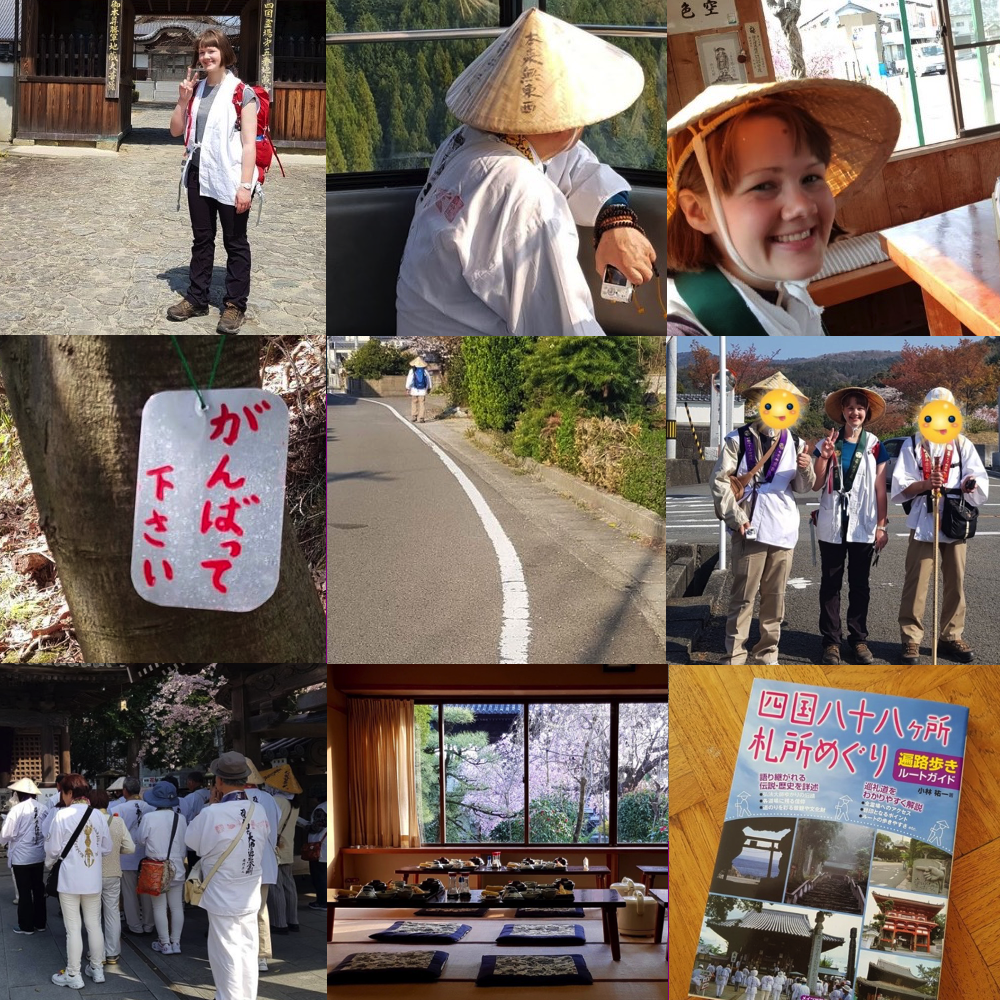
Hiking the Shikoku 88 Pilgrimage Trail in 2018 - A Round-Up
The week I spent last spring walking the first leg of the Shikoku 88 pilgrimage trail was peaceful, thought-provoking, and challenging - often all at once.
Here’s all my writing about that trip in one place.

The week I spent last spring walking the first leg of the Shikoku 88 pilgrimage trail was peaceful, thought-provoking, and challenging - often all at once.
Here’s all my writing about that trip in one place.
Part 1 - Plan, plan, plan!

Are you a planner? Or a no-planner?
Some people like to "wing it" when they travel. They book a ticket and turn up, deciding what to do once they arrive. Me, I like to have things planned out. Especially when the trip involves a week of solo walking in Japan…
Click here to read Part 1 - Plan, plan, plan!
Part 2 - The Best First Day in Japan

Spoiler alert: this post isn't about the Shikoku pilgrimage, although it is about the same trip. It's about what I did with my spare first day in Nagoya: the lost day...
Arriving first thing in the morning on a long-haul flight is not ideal. You're tired, jet-lagged and yet you need to stay awake until a normal bedtime, so you can adjust your body clock.
I had almost 12 hours to kill on that first day, and was waiting for my friends to finish work.
So what do you do with a whole day to yourself?
Ciick here to read Part 2 - The Best First Day in Japan
Part 3 - What To Wear

When I told my Japanese friends I was planning to walk the Shikoku Henro trail, several of them said the same thing. "Are you going to wear a hat?"
For many people, the image of a walker in a bamboo hat is the first thing that comes to mind when they think of the pilgrimage.
But what "should" you wear on the Shikoku 88, a Buddhist pilgrimage trail?
Click here to read Part 3 - What To Wear
Part 4 - How to Talk to Strangers in Japanese

A stranger, they say, is just a friend you haven't met yet.
And talking to strangers is a great way to speak lots of Japanese. I did lots of this while walking the first section of the Shikoku pilgrimage this spring.
But how do you start a conversation with a stranger? Here are some ideas to get you going, even if you're a beginner at Japanese.
Click here to read Part 4 - How to Talk to Strangers in Japanese
Part 5 - Signs of Shikoku

I heard lots of "gambatte kudasai" (“keep going!”) walking the first leg of the Shikoku 88 pilgrimage this spring. It was written everywhere too - in fact there were lots of interesting signs.
The pilgrimage trail is pretty well marked. Signage is consistently spaced, and in many places there's a way-marker every 100 metres.
But it's also endearingly inconsistent in design - on some stretches every sign is different, and many are handmade….
Click here to read Part 5 - Signs of Shikoku
Part 6 - Shouting at the French
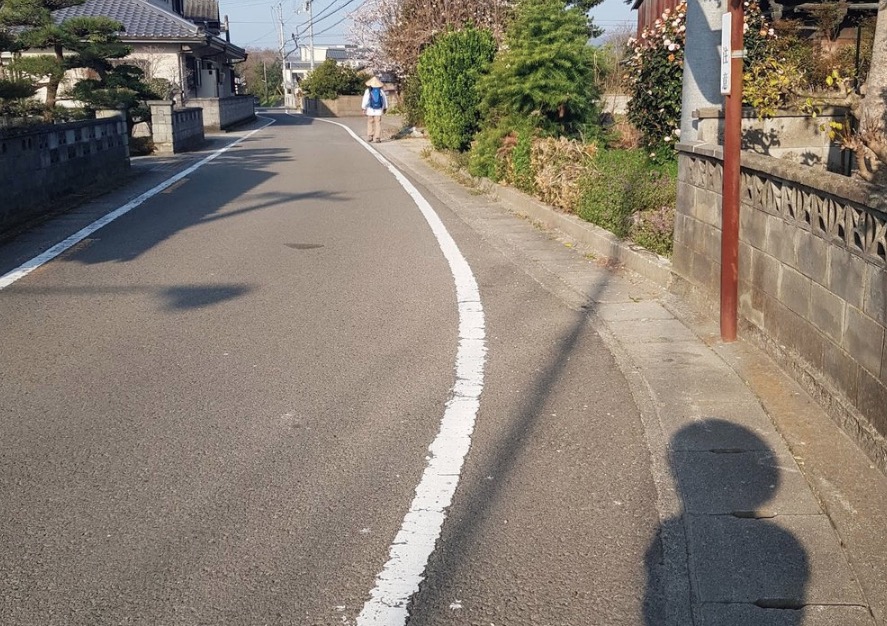
"Sumimaseeeeeeeeeeeeeeen!" I shouted. ("Excuse me!")
The couple turned round, but they didn't move.
They were both dressed in full pilgrim garb: long white clothes, their heads protected by conical hats.
"Otoshimono desu!" ("You dropped this!")
They stared at me blankly. I waved the little grey bag with its digital camera inside. "KAMERA!"
I still couldn't make out their faces, but I thought I saw a glimmer of recognition. One of the pair walked towards me, and it was only then that I saw her face.
"I thought you were Japanese," she said, and I heard a European accent I couldn't place.
"I thought you were Japanese," I said…
Click here to read Part 6 - Shouting at the French
Part 7 - Five Types of Rest Stop You'll Find Hiking In Shikoku

Kyūkei shimashou" (休憩しましょう) is one of the first phrases I teach all my students, and it means "let's take a break".
Rest is every bit as important as activity - perhaps more important. In class, it helps you digest and absorb ideas.
And on a long-distance walk, rest stops (called kyūkeijo 休憩所 in Japanese) can be a good place to
strike up a conversation.
Click here to read Part 7 - Five Types of Rest Stop You'll Find Hiking In Shikoku
Part 8 - O-settai, or, "I'll treasure this tissue case"

Near Kumadani-ji, temple number 8, we had stopped in front of some glorious cherry blossom, and I got chatting to two older gentlemen who were walking the trail. One told me he had never spoken to a gaijin-san, foreigner, before. We took some pictures in front of the cherry blossom, and walked up the hill together.
Further up the road, a lady came out of her house and gave us some hard-boiled sweets.
The sweets were a form of o-settai, small gifts given to walking pilgrims. Traditionally, pilgrims didn't carry money, so they were helped along their way by gifts of food, lodging and other acts of generosity from local people.
“Wait here,” she said when she saw me, “I have something else for you.”
Click here to read Part 8 - O-settai, or, "I'll treasure this tissue case"
Part 9 - Eating Shōjin Ryōri - Buddhist temple food

The “strange” meals were “quite unlike any food I’ve ever tasted”, wrote one visitor to the Sekishoin Shukubo temple in Mount Kōya, eliciting the blunt reply from one monk:
“Yeah, it’s Japanese monastic cuisine you uneducated fuck.”
Guests online also complained about the lack of heating in the Buddhist temple, the absence of English tour guides, and “basic and vegetarian” food.
I stayed in a couple of shukubo (宿坊) earlier this year…
Click here to read Part 9 - Eating Shōjin Ryōri - Buddhist temple food
Thanks so much for reading! I hope you found it useful and/or interesting.
I can’t wait to go back and walk the next bit…

"Two beers, please!"
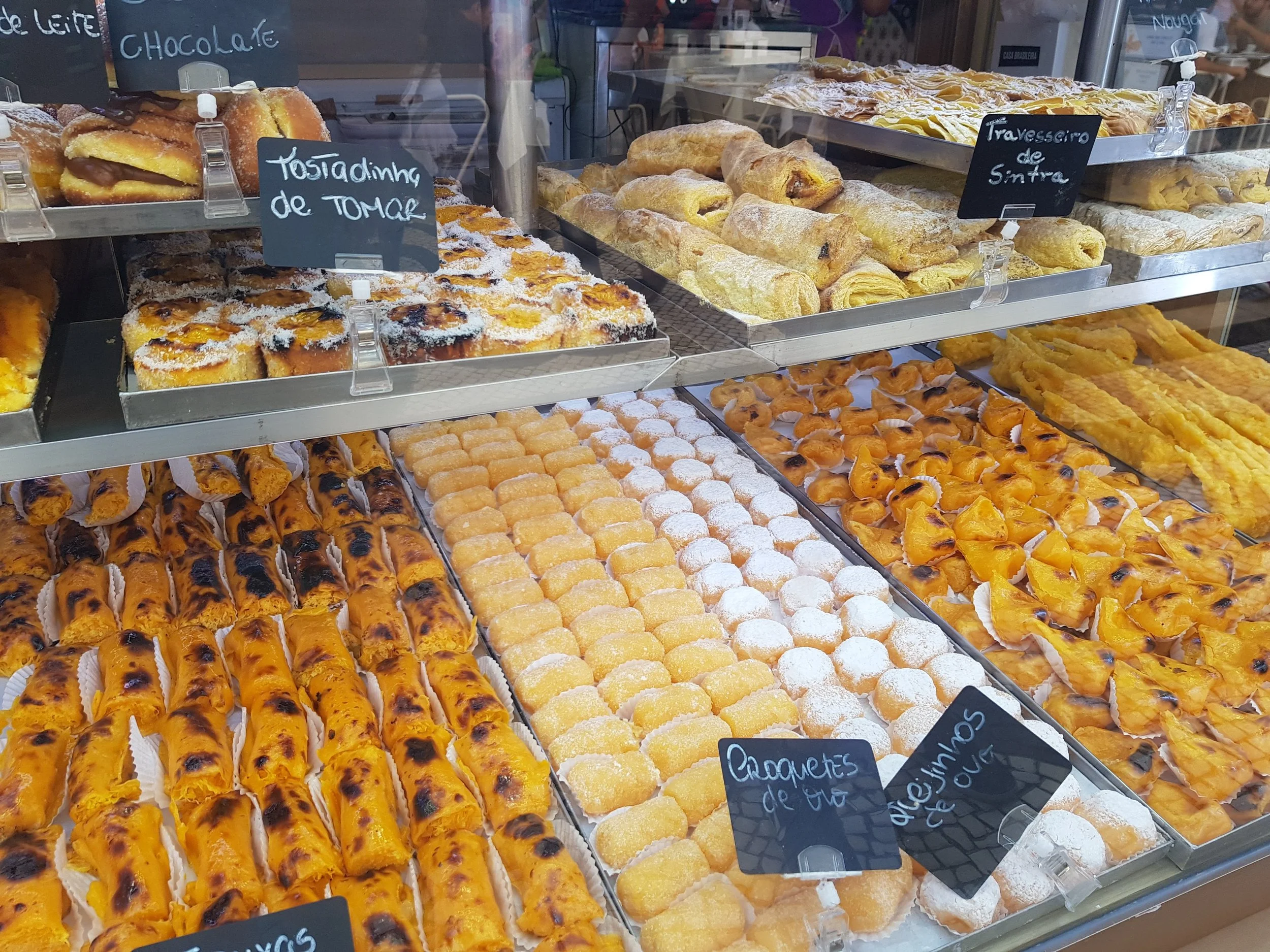
I don't speak Portuguese. But here's what I learned last week on holiday in Lisbon …

I don't speak Portuguese. But here's what I learned last week on holiday in Lisbon:
how to say "two beers, please"
it's olá, not hola.
a "thank you" with a smile is worth three "thank you"s with no smile
i need to add "this please" to my Survival Japanese course as a central key phrase.
learning words in a new language is a lot easier when you can read the words already (hurray for the roman alphabet!)
you can delete social media apps for a week and put the out-of-office on, and the world will not end
sometimes a very short blog post is fine
New Year's Resolutions - 2018
明けましておめでとうございます! (Akemashite omedetou gozaimasu!) Happy New Year!
Did you make any New Year's Resolutions this year?
January is a really good time to think about goals for the year ahead. Apart from anything else, it's cold! And it's nice to be inside making plans.
Here are my New Year's Resolutions for 2018…

明けましておめでとうございます! (Akemashite omedetou gozaimasu!) Happy New Year!
Did you make any New Year's Resolutions this year?
January is a really good time to think about goals for the year ahead. Apart from anything else, it's cold! And it's nice to be inside making plans.
Here are my New Year's Resolutions for 2018:
1) blog once a week
This one is easy (I hope!) and a continuation of last year.
In 2017 I aimed to publish a blog post a week. I actually did 26, which is one a fortnight.
That's not bad, but I definitely want to beat that in 2018.

2) play more games
In class, I mean. I want to work on making classes more fun, and one easy way to do that is more games.
My lovely students playing fukuwarai ("Lucky Laugh") game ↓

When we laugh together, we learn together.
(Cheesy but true).
3) read every day
This is a personal one. Last year I tried to read more Japanese fiction, and kind of failed.
I did find, though, that once I actually start reading I'm ok. It's the getting started that's the tricky part.
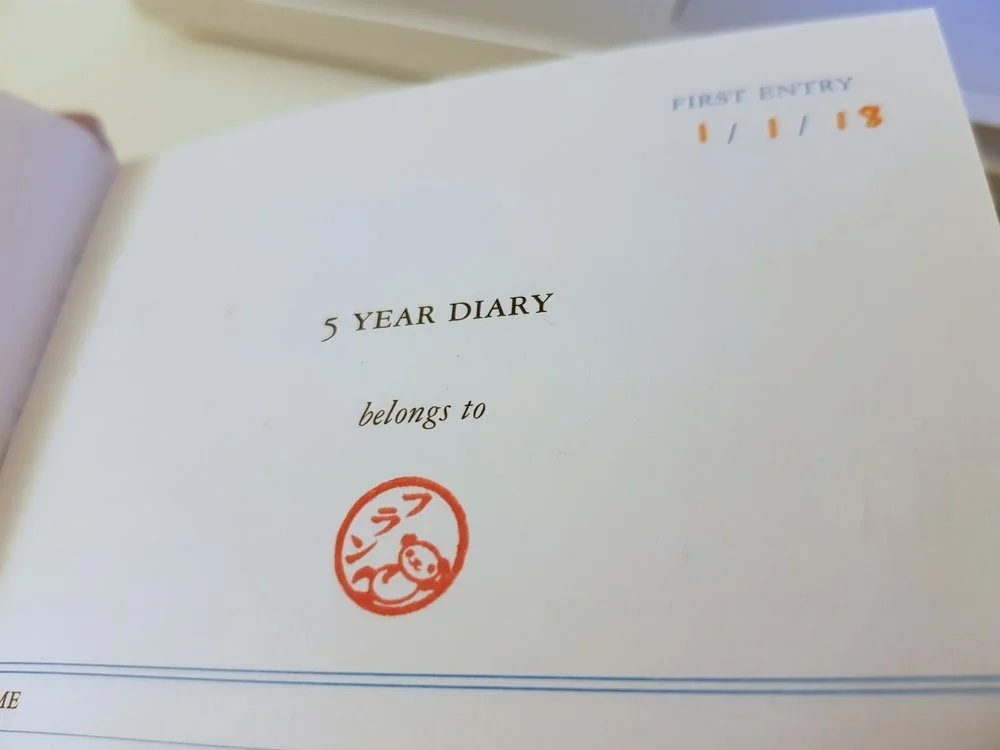
This year, I'm going to read some Japanese fiction every day, and keep a note in my 5-year diary when I've done it.
(16 days in, this is going pretty well.)

4) go to more teaching events
This year, I'm planning to go to more Japanese teaching and education-related events in London.
I went to a couple recently - a Japanese grammar teaching workshop at SOAS, and a bunch of seminars at the Language Show London.
I found it super helpful to reflect on my teaching practice and discuss ideas with other teachers and linguists.

I definitely want to go to more events like this in 2018.
...and it's a good excuse to go to London for the day too.
5) track these goals
Waiting until the end of the year to see how your goals are going doesn't really work.
In 2017, I actually completely forgot about one of my resolutions (to watch more drama in class). I'm going to avoid that this time by pinning them above my desk.

I'd love to know what New Year's Resolutions you made. Let me know in the comments!

New Year's Resolutions 2017 - 新年の抱負
明けましておめでとうございます! Happy New Year!
新年の抱負はありますか。 Have you made any New Year's Resolutions?
My good friend Karli of designosaur (the brilliant people who make all those dinosaur necklaces I wear to class) writes a new year's post every year, and I always find it super inspiring. I don't always make resolutions, but this year I have loads and I'd like to share some of them with you!
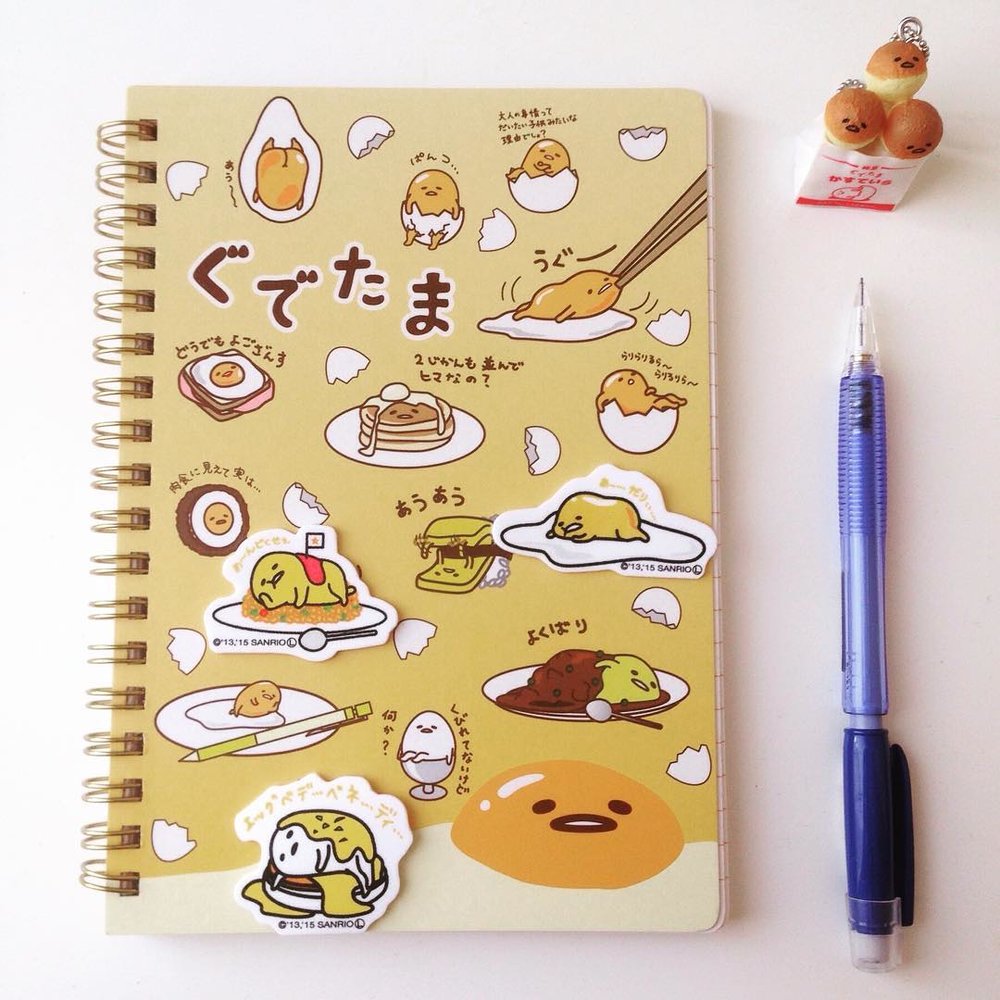
明けましておめでとうございます!
Happy New Year!
新年の抱負はありますか。
Have you made any New Year's Resolutions?
My good friend Karli of designosaur (the brilliant people who make all those dinosaur necklaces I wear to class) writes a new year's post every year, and I always find it super inspiring. I don't always make resolutions, but this year I have loads and I'd like to share some of them with you!
1. blog more
This one should be easy. I like writing this blog, but it's always bottom of my to-do list! Karli's suggestion was to make a regular schedule and stick to it, so I'll try that.
2. finish some books
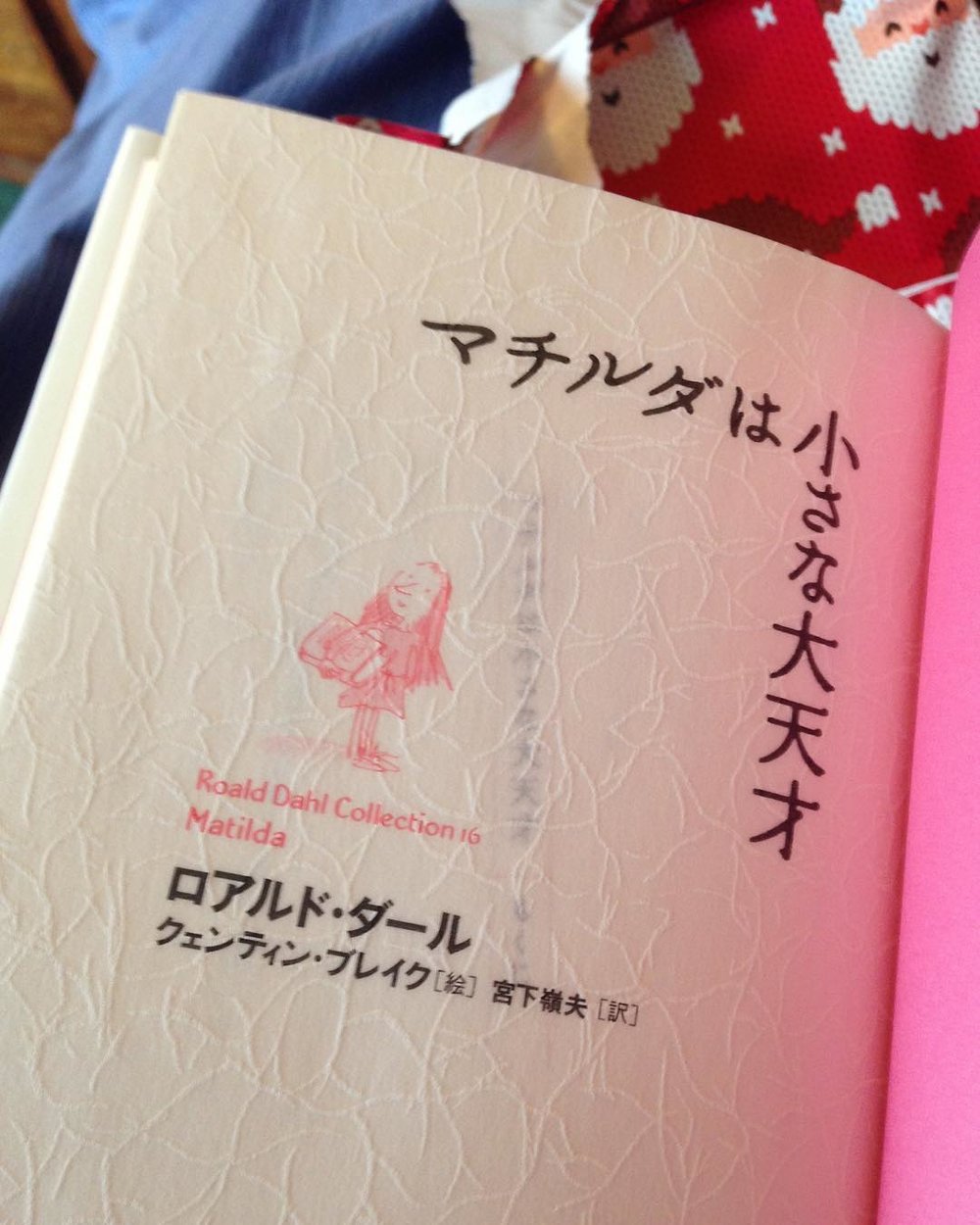
I often tell people that I read a lot of Japanese books, but actually what I do is start reading a lot of Japanese books. Then find a new one, get distracted and start the new one. That's good for variety, but not very satisfying. I'm going to try and read one book at a time (currently reading マチルダは小さな大天才) and not start any new books until I finish!
3. watch more drama...with my students
I love J-drama and it's a great way to listen to everyday spoken Japanese - especially if the programme is centred around a family or group of friends. This year I'm hoping to use some drama clips in class. I haven't quite worked out the details yet but I think it'll be a lot of fun.
I'm currently watching Beautiful Rain (ビューティフルレイン) which is adorable and very tear-jerky. Have you seen it?
4. have more parties
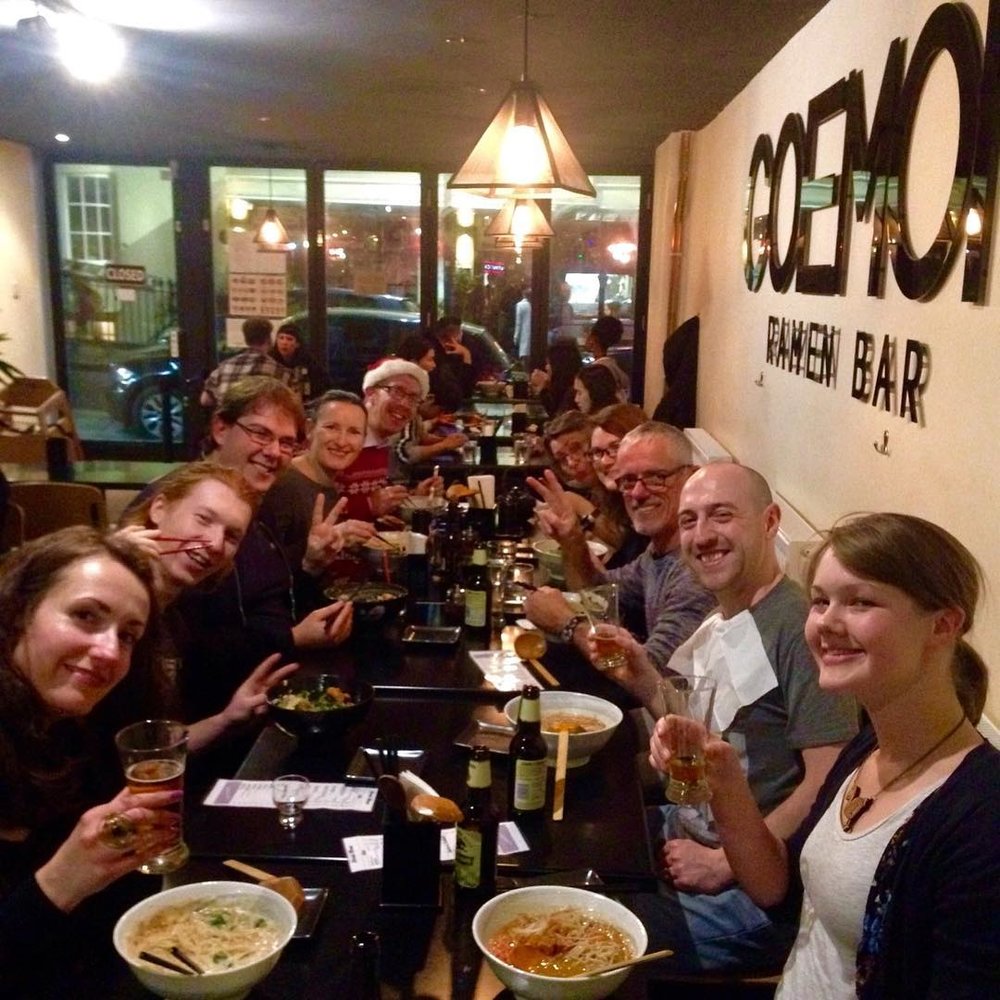
We had a great time at the first annual Step Up Japanese Christmas Party, and one of my goals for 2017 is to have more school events like this. I've got a little list in mind, but if you have a suggestion please let me know!
5. be reflective
Some days I skip home from class because everything went swimmingly. Other times I'm left thinking how I could have explained something better / given you more chances to speak Japanese / had a good answer to your question on the spot instead of telling you I'll look it up.
My point is, it's good to be reflective - and not just because you won't get knocked off your bike. I really, really want to keep improving and bring you bigger and better things in 2017!
Have you made any New Year's resolutions? I'd love to know what yours are! 今年もよろしくお願いします〜














Like many people in the UK, I studied French in school. I liked French. I thought it was really fun to speak another language, to talk with people, and to try and listen to what was going on in a new country. (Still do!)
When I was 14 we went on a school exchange to the city of Reims, in northeastern France. I was paired with a boy, which I’m sure some 14-year-olds would find very exciting but which I found unbearably awkward. He was very sweet and we completely ignored each other.
That was nearly 20 years ago, and I didn’t learn or use any more French until, at some point in lockdown, I decided on a whim to take some one-to-one lessons with online teachers. Here are some things I learned about French, about language learning, and about myself.