
Welcome to the Step Up Japanese blog archive!
Although I’m not currently adding new posts to the blog, you’ll find plenty of Japanese learning tips, study advice, and resources to explore here.
Browse the blog index to view a complete list of posts.
For the latest news, course updates, and Japanese learning tips from Step Up Japanese, sign up for my newsletter.
Search this blog:
A Brief Guide to Japanese Emoji: Food
Do you remember the first time you used an emoji?
I do. It was kind of overwhelming. I scrolled and scrolled through my new Japanese phone, and wondered what all these little pictures could possibly be for.
Because emoji originated in Japan, some of them are quite specific to Japanese culture.
Some are obvious - but others might not mean what you think! Let’s take a look at some specifically Japanese emoji.
Do you remember the first time you used an emoji?
I do. It was kind of overwhelming. I scrolled and scrolled through my new Japanese phone, and wondered what all these little pictures could possibly be for.
Because emoji originated in Japan, some of them are quite specific to Japanese culture.
Some are obvious - but others might not mean what you think! Let’s take a look at some specifically Japanese emoji.
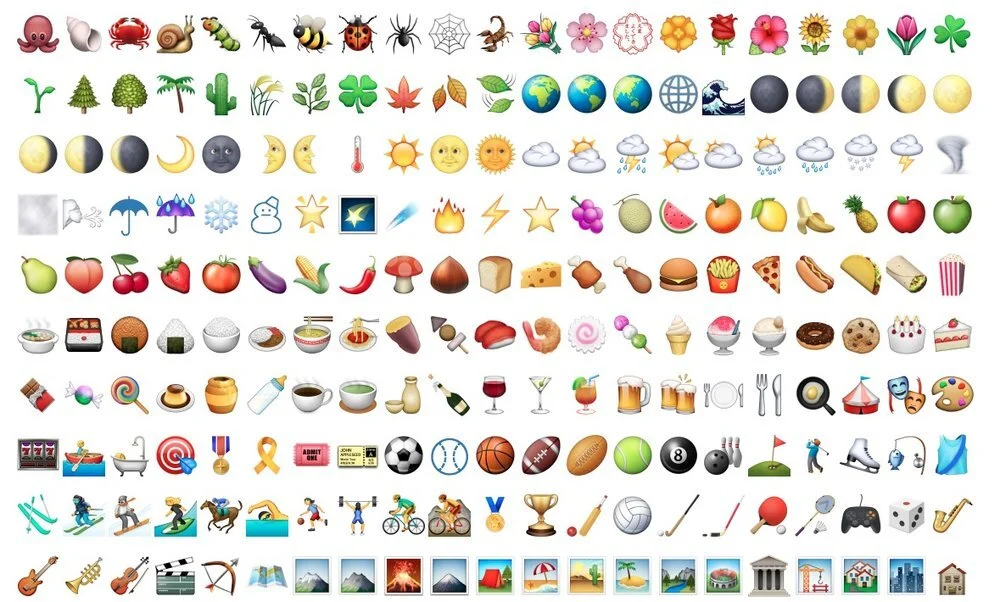
せんべい Rice Cracker

(Emoji images from emoji.ichinoku.com)
"What's that brown circle with the square on it?" せんべい (senbei, or sembei) are crispy, crunchy rice crackers. Usually savoury, they're made from Japan's staple crop - rice.
This one in the emoji picture is partly wrapped in a sheet of dried のり (nori) seaweed. Yum!
弁当 Bento Box
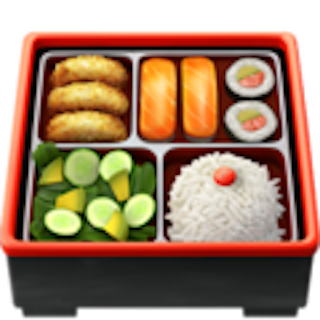
A 弁当 (bentō or bentou) is a boxed lunch containing rice, usually with fish or meat, and often with pickled vegetables.
Look closely - this bentō box has sushi in it too!
団子 Dango
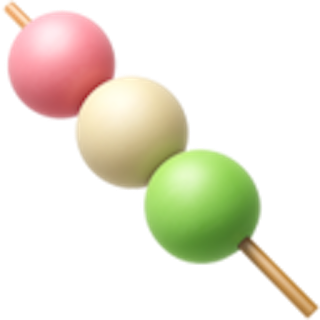
Dango are Japanese sweets made from sticky rice and sugar. They're chewy and squishy. I'm a big fan!
Dango are served on a stick to make it easier to eat.
These coloured ones are also called 三色 (sanshoku or "three-coloured") dango, or 花見 (hanami or "flower-viewing") dango.
エビフライ Fried Prawn
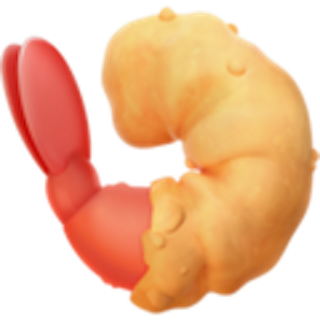
エビフライ (ebi-furai) or "fried prawn" is a specialty food of Nagoya, where I lived from 2011-2014.
I can't eat prawns though, so it's not my favourite food. You can have mine.
マンガ肉 Manga Meat
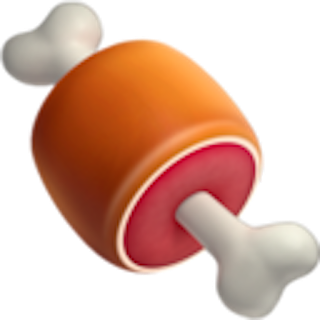
マンガ肉 (manga niku) is meat on the bone stylised like the cartoon meat you see in anime and manga.
Also known as あの肉 (ano niku) "that meat".
In a glorious case of life imitating art, you can actually get manga niku some places. We had it in the Capcom bar in Shinjuku, Tokyo a few years ago:

おでん Oden
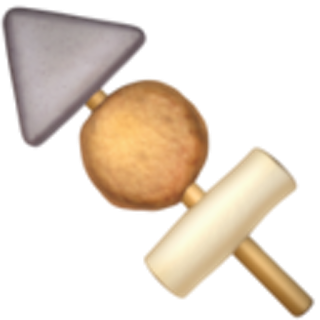
A classic winter comfort food, おでん (oden) is a hot-pot made by simmering various ingredients in
dashi fish broth.
Some of the ingredients are skewered - again, to make them easier to eat.
The triangle on the top of the skewer in this emoji is こんにゃく (konnyaku), a gelatinous speckled grey food that tastes better than it looks.
Next time you're scrolling through the emoji on your phone, see if there are any Japanese food emoji that are new to you!
First published Dec 2017
Updated Sept 2021
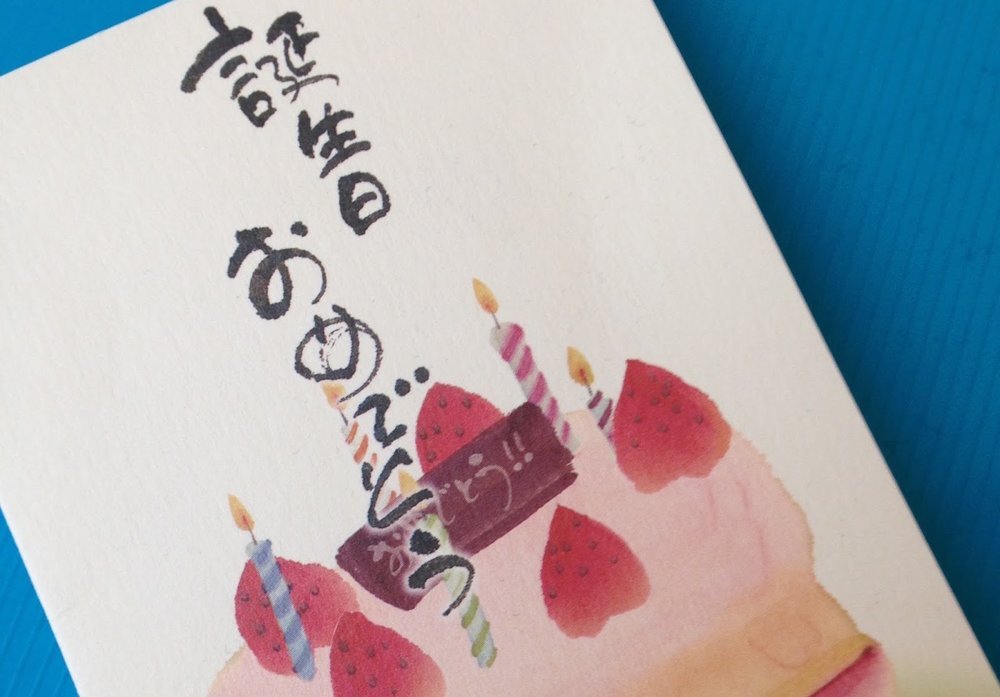
Six Ways To Say "Happy Birthday" In Japanese
So you want to wish your Japanese-speaking friends "happy birthday" in Japanese.
Whether you're sending a birthday card, or just writing a message, here are six different ways to share the love.
First of all, let's say “Happy Birthday”:
Help launch something new! Join our pilot round and be among the first to master Hiragana with our course.
So you want to wish your Japanese-speaking friends "happy birthday" in Japanese.
Whether you're sending a birthday card, or just writing a message, here are six different ways to share the love.
First of all, let's say “Happy Birthday”:
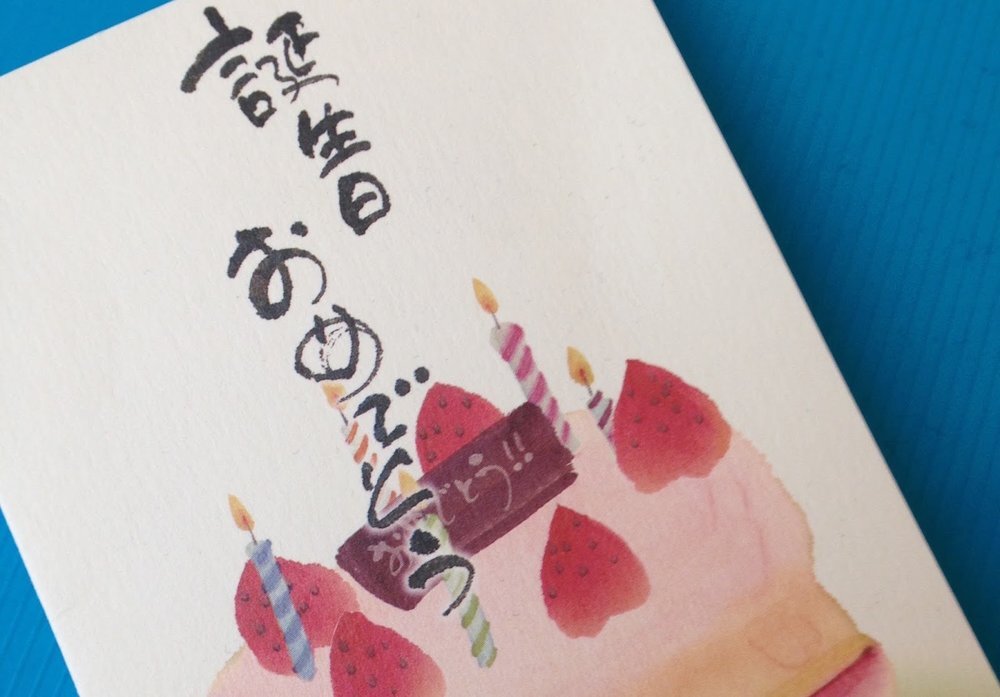
1) お誕生日おめでとう! o-tanjoubi omedetou
Simple and classic, this one means "happy birthday", or literally "congratulations on your birthday".
2) お誕生日おめでとうございます。 o-tanjoubi omedetou gozaimasu
Stick a "gozaimasu" on the end to make it more polite.
Good for people older than you, people you know less well, and definitely good for your boss.
3) ハッピーバースデー!happii baasudee!
This one is actually one of my favourites - a Japan-ified version of the English phrase “happy birthday”.
If you're writing a message, it's good to follow up after the birthday greeting by also wishing the person well:
1) 楽しんでください tanoshinde kudasai
"Have fun!"
e.g. お誕生日おめでとう!楽しんでください ^ ^
"Happy birthday! Have fun :)"
2) 素敵な一日を sutekina ichinichi o
"Have a great day."
e.g. お誕生日おめでとう!素敵な一日を〜
"Happy birthday! Have a great day."
3) 素晴らしい1年になりますように subarashii ichinen ni narimasu you ni
"I hope it's a wonderful year for you."
e.g. お誕生日おめでとうございます。素晴らしい1年になりますように。
"Happy birthday. I hope you have a wonderful year."
As you may have noticed, birthday messages wishing someone well for the year are kind of similar to a New Years' Greeting in Japanese.
それじゃ、素敵な一日を! sutekina ichinichi o!
And with that, I hope you have a wonderful day!
Learn beginner Japanese:
Tuesdays, 12:00pm (UK time) | Online Group Course
Starts 15th Sept 2026 | 36 weeks
Who this course is for
This course is for true beginners or early beginners who already know a little Japanese (e.g. ~10-20 hiragana characters) and want to build a solid foundation.
If you are starting completely from zero, I recommend a few 1:1 lessons before joining.
You will already be able to:
Recognise a small number of hiragana characters (or are beginning to learn them)
Feel comfortable learning slowly and step-by-step
In this course you will learn to:
Introduce yourself and ask simple questions
Talk about family, friends, likes and dislikes
Order food and drinks in a restaurant
Ask and answer simple questions about places you are staying
Talk about where people and things are located
Build confidence reading hiragana and begin katakana
Start recognising a small number of common kanji
The focus is on practical, everyday Japanese for absolute communication basics.
Course details
Duration: 36 weeks (3 x 12-week terms)
Day/time: Tuesdays, 12pm (UK time), 55-minute lessons
Textbook: Irodori: Japanese for Life in Japan - Starter (starting from Lesson 3, free online)
Not sure if this is right for you?
Book a free 30-minute Zoom consultation or email me for advice.
Get my newsletter:
Updated 10th August 2021












Like many people in the UK, I studied French in school. I liked French. I thought it was really fun to speak another language, to talk with people, and to try and listen to what was going on in a new country. (Still do!)
When I was 14 we went on a school exchange to the city of Reims, in northeastern France. I was paired with a boy, which I’m sure some 14-year-olds would find very exciting but which I found unbearably awkward. He was very sweet and we completely ignored each other.
That was nearly 20 years ago, and I didn’t learn or use any more French until, at some point in lockdown, I decided on a whim to take some one-to-one lessons with online teachers. Here are some things I learned about French, about language learning, and about myself.