
Welcome to the Step Up Japanese blog archive!
Although I’m not currently adding new posts to the blog, you’ll find plenty of Japanese learning tips, study advice, and resources to explore here.
Browse the blog index to view a complete list of posts.
For the latest news, course updates, and Japanese learning tips from Step Up Japanese, sign up for my newsletter.
Search this blog:

A Visit to Yokohama's Unko Museum (GUEST POST!)
I am delighted to introduce this guest post from Step Up Japanese student Philip Kinchington!
When I (Fran) heard that Phil was going to Yokohama's new poop museum on his recent trip to Japan, I knew there'd be some good photos in the pipeline...
I am delighted to introduce this guest post from Step Up Japanese student Philip Kinchington!
When I (Fran) heard that Phil was going to Yokohama's new poop museum on his recent trip to Japan, I knew there'd be some good photos in the pipeline...
So I was really pleased that he agreed to share these photos with you and this report from the Unko Museum.
(We got his friends' permission to use their photos too. When you’ve seen the photos, it'll be clear why this was important.)
Over to you, Phil! Yoroshiku ne!
On my recent visit to Tokyo I managed to meet up with my friends Tomo and Taka. They have a knack for sniffing out the most interesting and bizarre places to visit (the last time I met up with them they took me to the Monster Kawaii Cafe in Harajuku and then the Ramen Museum in Yokohama).
This time I was given the choice between the Kaiju Cafe in Kawasaki, or the Unko Museum (うんこミュージアム) in Yokohama. I had already been instructed by the mutual friend who introduced me to Tomo and Taka that I had to go to the Unko Museum or they would very disappointed in me, so the choice was simple (we ended up going to the Kaiju Cafe anyway, so it turned out to be a consequence free choice.)
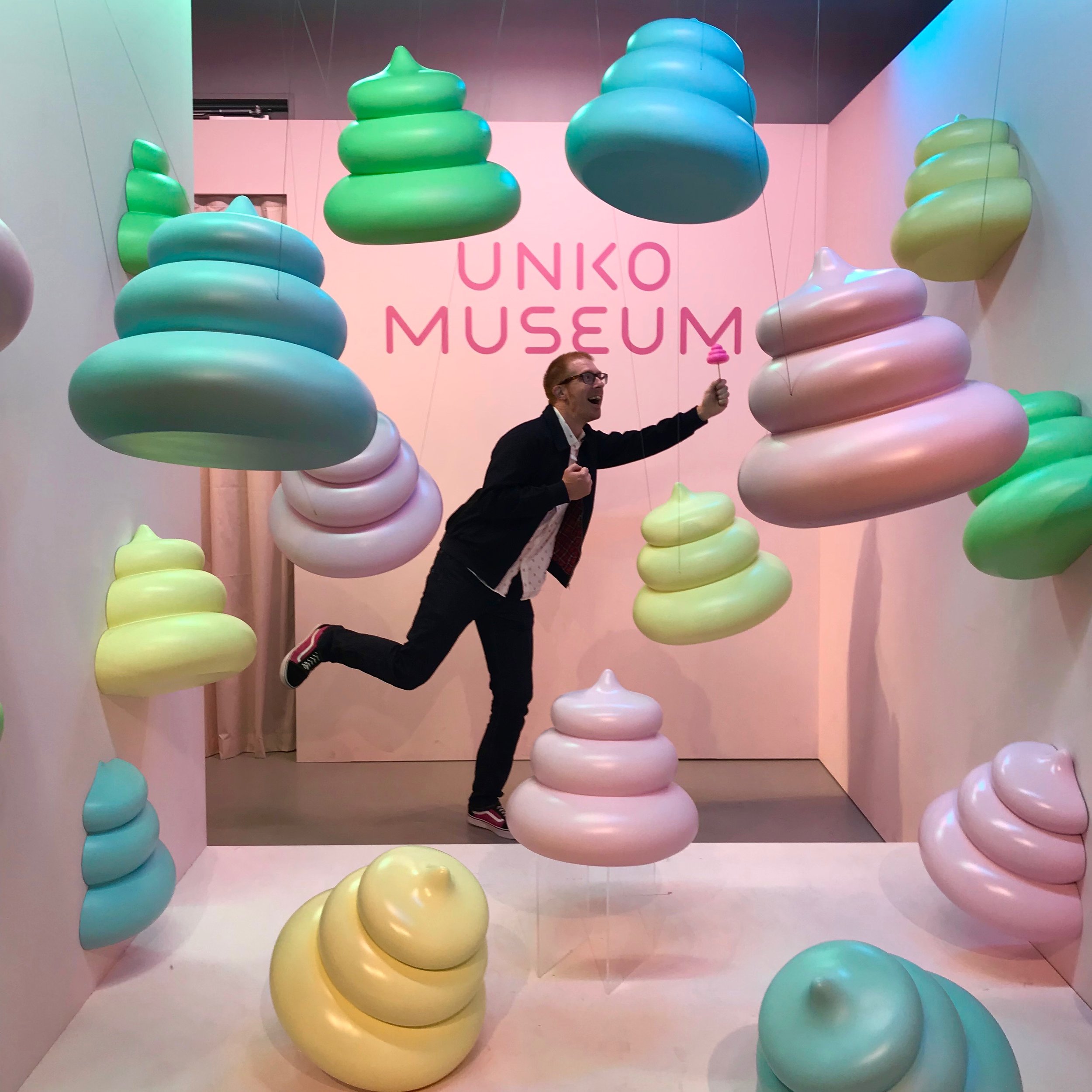
うんこ (unko) is the Japanese equivalent word for poo-poo or poop, often used by small children. And while it is called a museum, it is more of a kind of crazy art installation with photo opportunities and a few interactive exhibits. There is very little of educational value beyond a display of some poop-themed toys from around the world.
While waiting for entry to the Museum, we were given the leaflet for the museum which doubled as a little spot-the-differences puzzle. We were also encouraged to don a 'poop-hat' for a photo opportunity (this will become a recurring theme.)
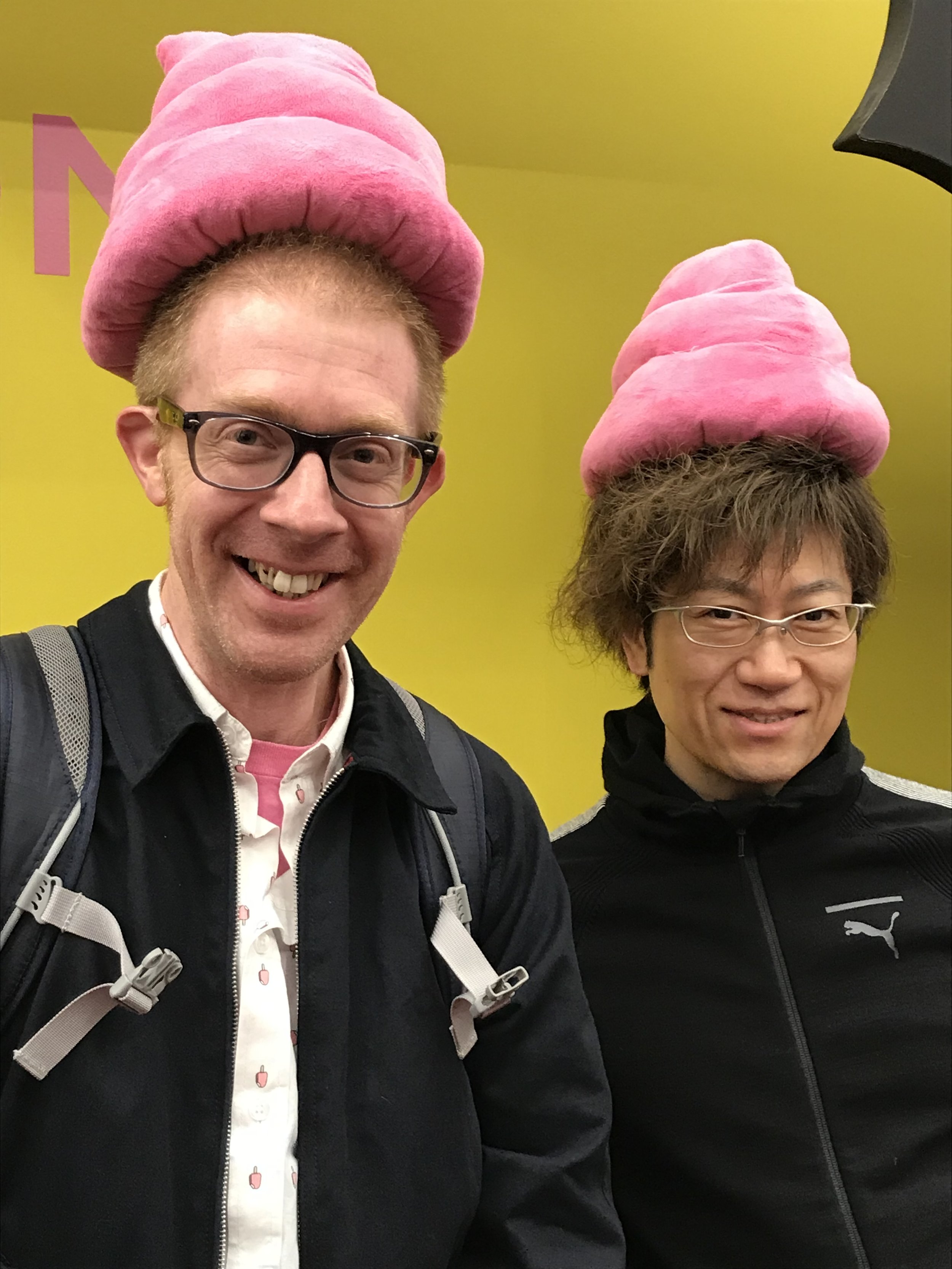
All photos courtesy of Phil Kinchington 💩
After queuing we were gathered into a group of about a dozen people and escorted into a small ante-chamber for instruction (none of which I understood.) Once the instructions had been delivered, we were encouraged to shout "UNKO!!" in unison before being directed through a curtain into the next room.
We found ourselves in a long, narrow room with half a dozen pastel-coloured thrones along one wall. We were directed to take our places on a throne and to make 'straining' faces for the obligatory photo opportunity.

Once they felt that enough photos had been taken, we were told to stand up and look into the bowl of the throne.
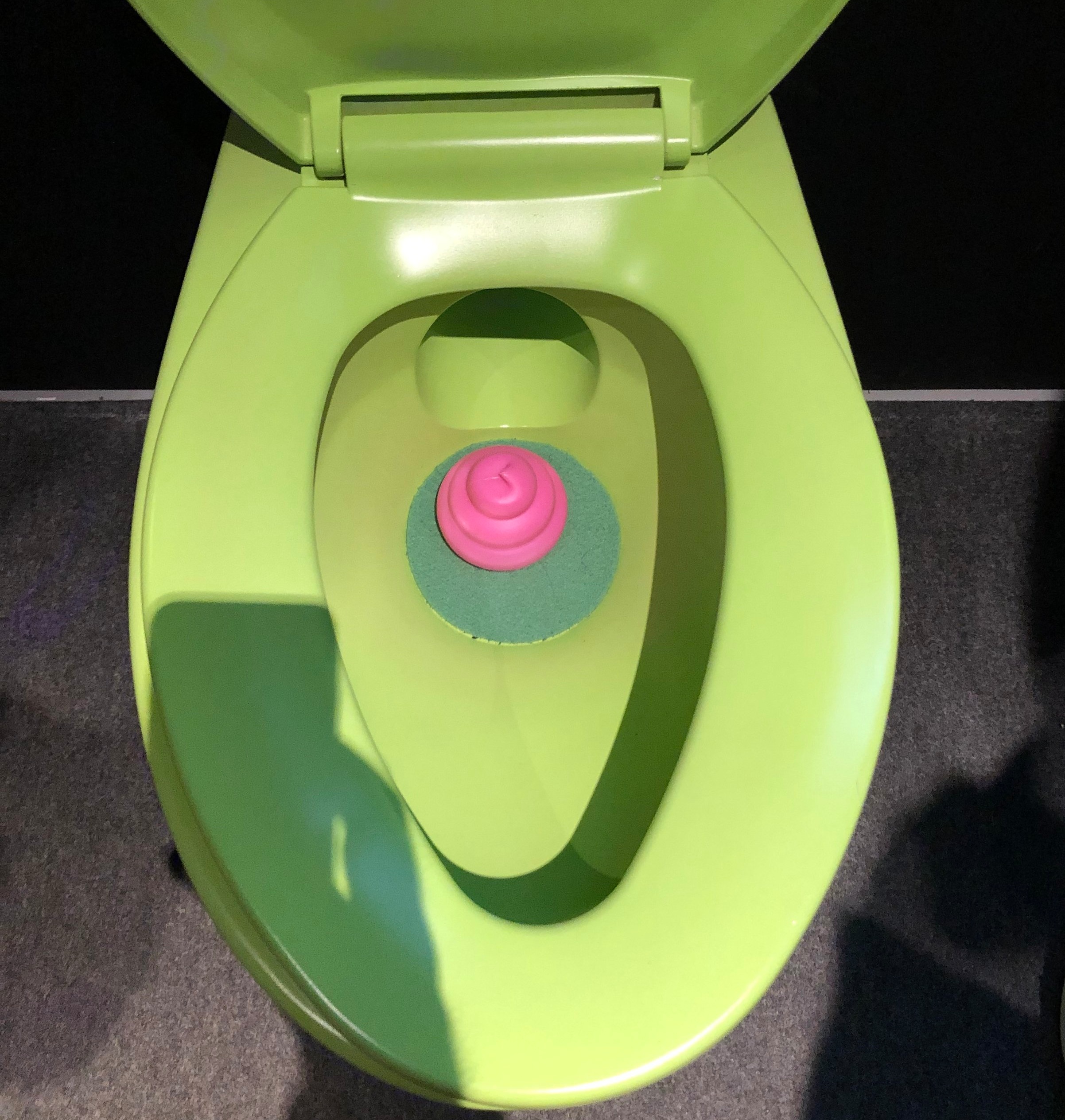
A souvenir poop to take away as a gift from the Museum. We were then funnelled from this room into the main Museum area. As we left the room, we were each handed a stick to place our souvenir poop onto for the convenience of carrying.
On entering the main room of the exhibition, we came face-to-face with a ball pit, at the centre of which was a giant poop sculpture (the Poop Volcano, apparently.) As we entered, a countdown was projected onto the side of the Poop Volcano.
10...9...8...7...6...5...4...3...2...1...0…
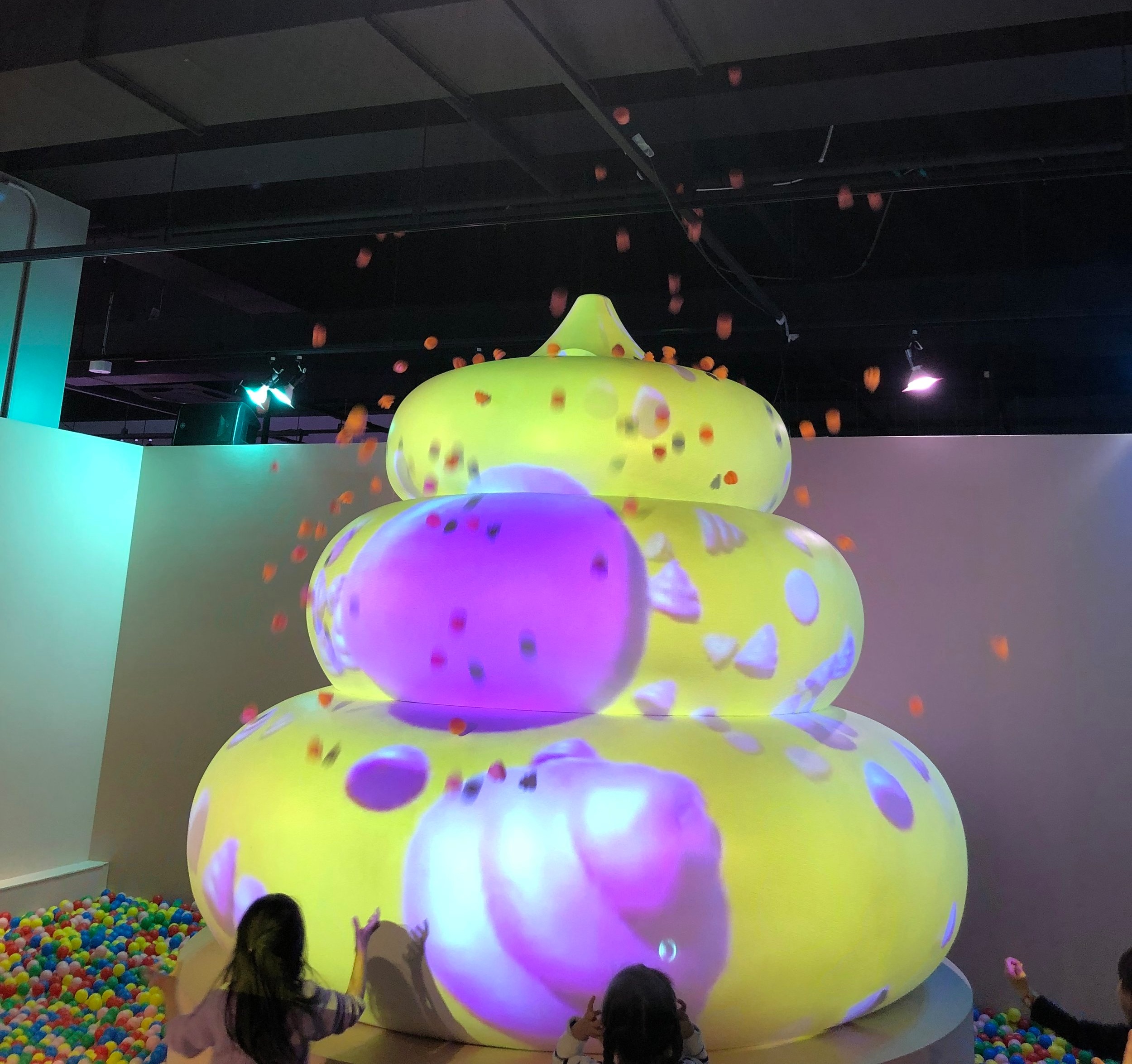
...and a fountain of small foam poops spray out of the top of the volcano. Two attendants came over to the edge of the ball pit carrying a giant, lidded potty. The children in the ball pit were then told to gather all of the foam poops and deposit them in the potty as quickly as they could. I have no idea what the purpose of this exercise was.
From here we worked our way around the other areas of the exhibition in a clockwise direction. First up was a handful of video games repurposed with a poop theme, or some kind of poop element.
Around the corner from the video games was another game, but one that was more physically interactive.
Near the end of the video I ask the rhetorical question "how old am I?" The official answer to this is (nearly) 44, but that's only because was a bit nervous and stuttered when asked my age.
Next was a room (sadly no photo) with three microphones and a large screen. The screen displayed what looked like a hosepipe pointing upwards from the bottom of the screen in front of each microphone. The instructions said to shout "UNKO!!" into the microphone. On doing this a poop was produced out of the appropriate hosepipe on the screen. It appeared that the louder you shouted, the larger the poop that was summoned, and the longer you held the shout, the poop would continue to float above the end of the hosepipe.
The remainder of the Museum was really just a series of photo opportunities (one of which looked worryingly like my Drawing Room at home.)


The Unko Museum is currently open in the Aso Building a short walk from Yokohama Station. The exhibition opened on 15th March 2019, but it is only open until 15th July, so you'd better be quick if you want to visit. You can find more information on their website (日本語だけ).
After the Unko Museum, we went to the zoo. They only had one animal, a small dog. It was a Shitzu.
P.S. Have you been somewhere cool and Japan-related that you’d like to share with us? Perhaps you have an interesting Japanese hobby or interest? Would you like to write a guest blog post for Step Up Japanese? I’d love to hear from you! Click here to get in touch!
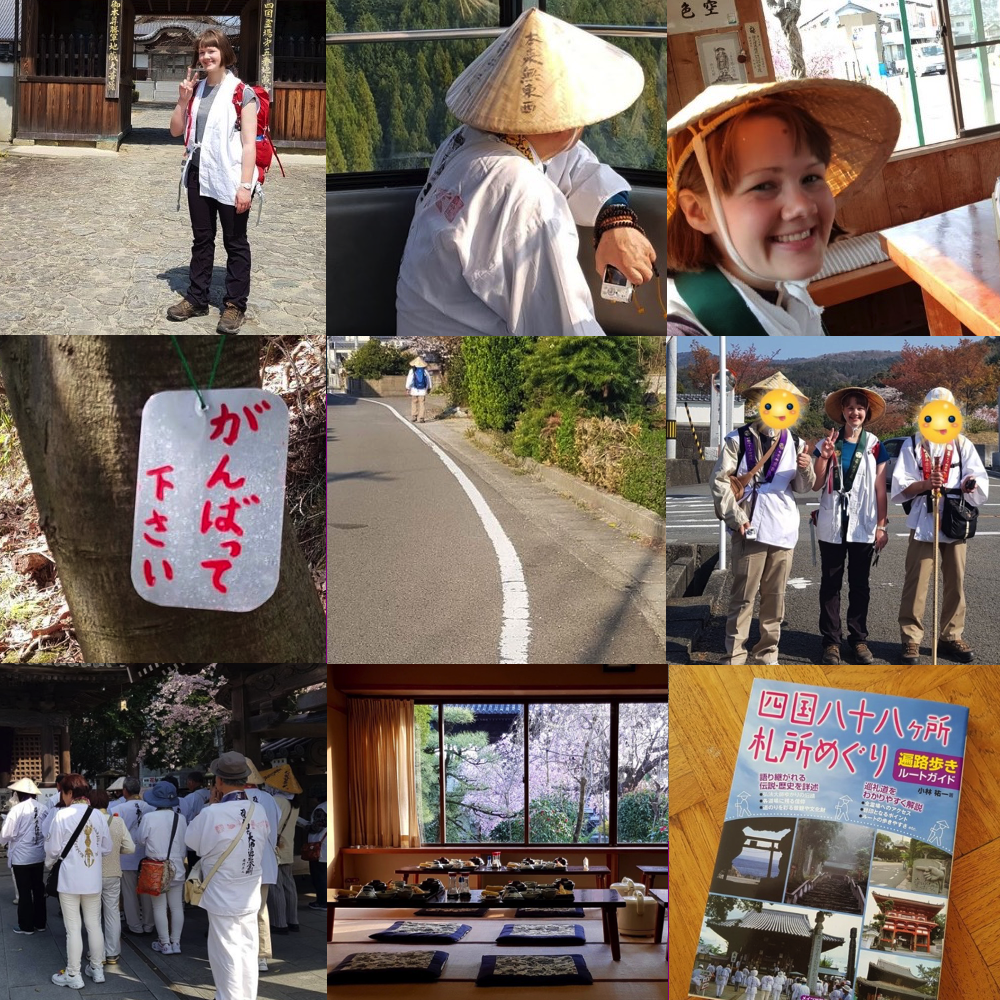
Hiking the Shikoku 88 Pilgrimage Trail in 2018 - A Round-Up
The week I spent last spring walking the first leg of the Shikoku 88 pilgrimage trail was peaceful, thought-provoking, and challenging - often all at once.
Here’s all my writing about that trip in one place.

The week I spent last spring walking the first leg of the Shikoku 88 pilgrimage trail was peaceful, thought-provoking, and challenging - often all at once.
Here’s all my writing about that trip in one place.
Part 1 - Plan, plan, plan!

Are you a planner? Or a no-planner?
Some people like to "wing it" when they travel. They book a ticket and turn up, deciding what to do once they arrive. Me, I like to have things planned out. Especially when the trip involves a week of solo walking in Japan…
Click here to read Part 1 - Plan, plan, plan!
Part 2 - The Best First Day in Japan

Spoiler alert: this post isn't about the Shikoku pilgrimage, although it is about the same trip. It's about what I did with my spare first day in Nagoya: the lost day...
Arriving first thing in the morning on a long-haul flight is not ideal. You're tired, jet-lagged and yet you need to stay awake until a normal bedtime, so you can adjust your body clock.
I had almost 12 hours to kill on that first day, and was waiting for my friends to finish work.
So what do you do with a whole day to yourself?
Ciick here to read Part 2 - The Best First Day in Japan
Part 3 - What To Wear

When I told my Japanese friends I was planning to walk the Shikoku Henro trail, several of them said the same thing. "Are you going to wear a hat?"
For many people, the image of a walker in a bamboo hat is the first thing that comes to mind when they think of the pilgrimage.
But what "should" you wear on the Shikoku 88, a Buddhist pilgrimage trail?
Click here to read Part 3 - What To Wear
Part 4 - How to Talk to Strangers in Japanese

A stranger, they say, is just a friend you haven't met yet.
And talking to strangers is a great way to speak lots of Japanese. I did lots of this while walking the first section of the Shikoku pilgrimage this spring.
But how do you start a conversation with a stranger? Here are some ideas to get you going, even if you're a beginner at Japanese.
Click here to read Part 4 - How to Talk to Strangers in Japanese
Part 5 - Signs of Shikoku

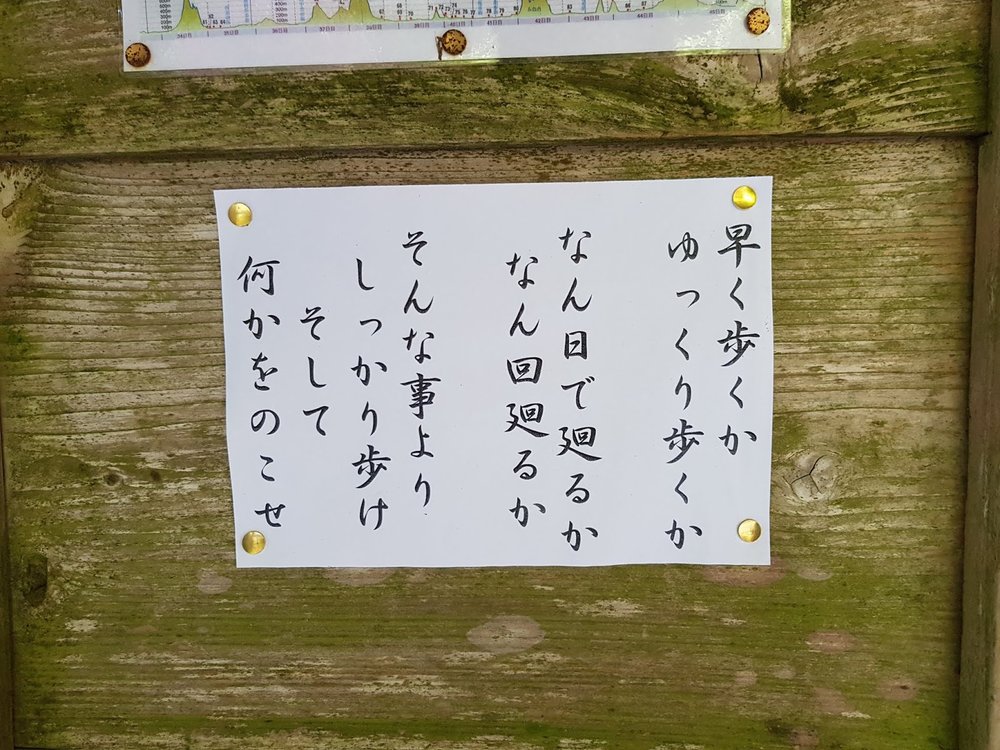
I heard lots of "gambatte kudasai" (“keep going!”) walking the first leg of the Shikoku 88 pilgrimage this spring. It was written everywhere too - in fact there were lots of interesting signs.
The pilgrimage trail is pretty well marked. Signage is consistently spaced, and in many places there's a way-marker every 100 metres.
But it's also endearingly inconsistent in design - on some stretches every sign is different, and many are handmade….
Click here to read Part 5 - Signs of Shikoku
Part 6 - Shouting at the French
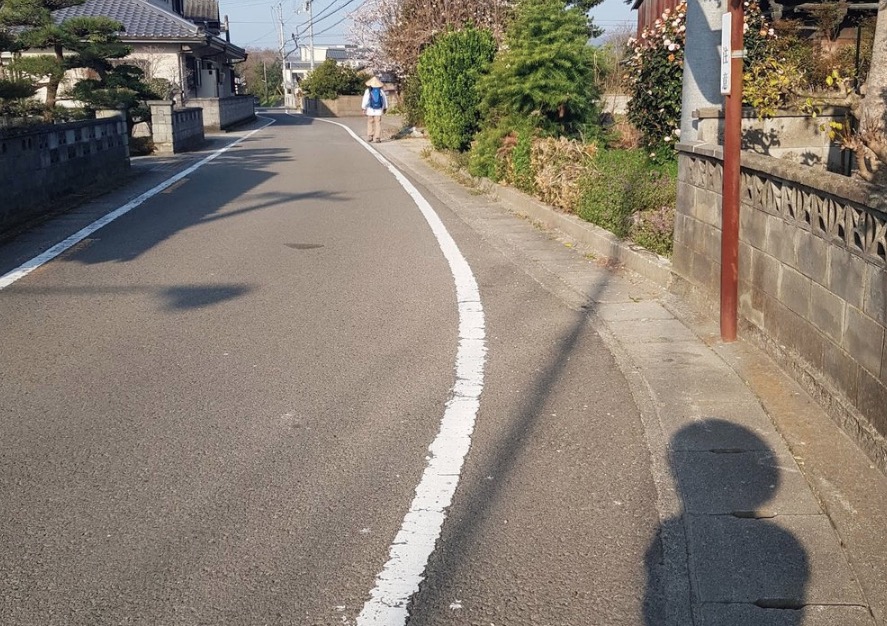
"Sumimaseeeeeeeeeeeeeeen!" I shouted. ("Excuse me!")
The couple turned round, but they didn't move.
They were both dressed in full pilgrim garb: long white clothes, their heads protected by conical hats.
"Otoshimono desu!" ("You dropped this!")
They stared at me blankly. I waved the little grey bag with its digital camera inside. "KAMERA!"
I still couldn't make out their faces, but I thought I saw a glimmer of recognition. One of the pair walked towards me, and it was only then that I saw her face.
"I thought you were Japanese," she said, and I heard a European accent I couldn't place.
"I thought you were Japanese," I said…
Click here to read Part 6 - Shouting at the French
Part 7 - Five Types of Rest Stop You'll Find Hiking In Shikoku

Kyūkei shimashou" (休憩しましょう) is one of the first phrases I teach all my students, and it means "let's take a break".
Rest is every bit as important as activity - perhaps more important. In class, it helps you digest and absorb ideas.
And on a long-distance walk, rest stops (called kyūkeijo 休憩所 in Japanese) can be a good place to
strike up a conversation.
Click here to read Part 7 - Five Types of Rest Stop You'll Find Hiking In Shikoku
Part 8 - O-settai, or, "I'll treasure this tissue case"

Near Kumadani-ji, temple number 8, we had stopped in front of some glorious cherry blossom, and I got chatting to two older gentlemen who were walking the trail. One told me he had never spoken to a gaijin-san, foreigner, before. We took some pictures in front of the cherry blossom, and walked up the hill together.
Further up the road, a lady came out of her house and gave us some hard-boiled sweets.
The sweets were a form of o-settai, small gifts given to walking pilgrims. Traditionally, pilgrims didn't carry money, so they were helped along their way by gifts of food, lodging and other acts of generosity from local people.
“Wait here,” she said when she saw me, “I have something else for you.”
Click here to read Part 8 - O-settai, or, "I'll treasure this tissue case"
Part 9 - Eating Shōjin Ryōri - Buddhist temple food

The “strange” meals were “quite unlike any food I’ve ever tasted”, wrote one visitor to the Sekishoin Shukubo temple in Mount Kōya, eliciting the blunt reply from one monk:
“Yeah, it’s Japanese monastic cuisine you uneducated fuck.”
Guests online also complained about the lack of heating in the Buddhist temple, the absence of English tour guides, and “basic and vegetarian” food.
I stayed in a couple of shukubo (宿坊) earlier this year…
Click here to read Part 9 - Eating Shōjin Ryōri - Buddhist temple food
Thanks so much for reading! I hope you found it useful and/or interesting.
I can’t wait to go back and walk the next bit…

Walking the Shikoku 88 Pilgrimage (Part 8) - O-settai, or, "I'll treasure this tissue case"
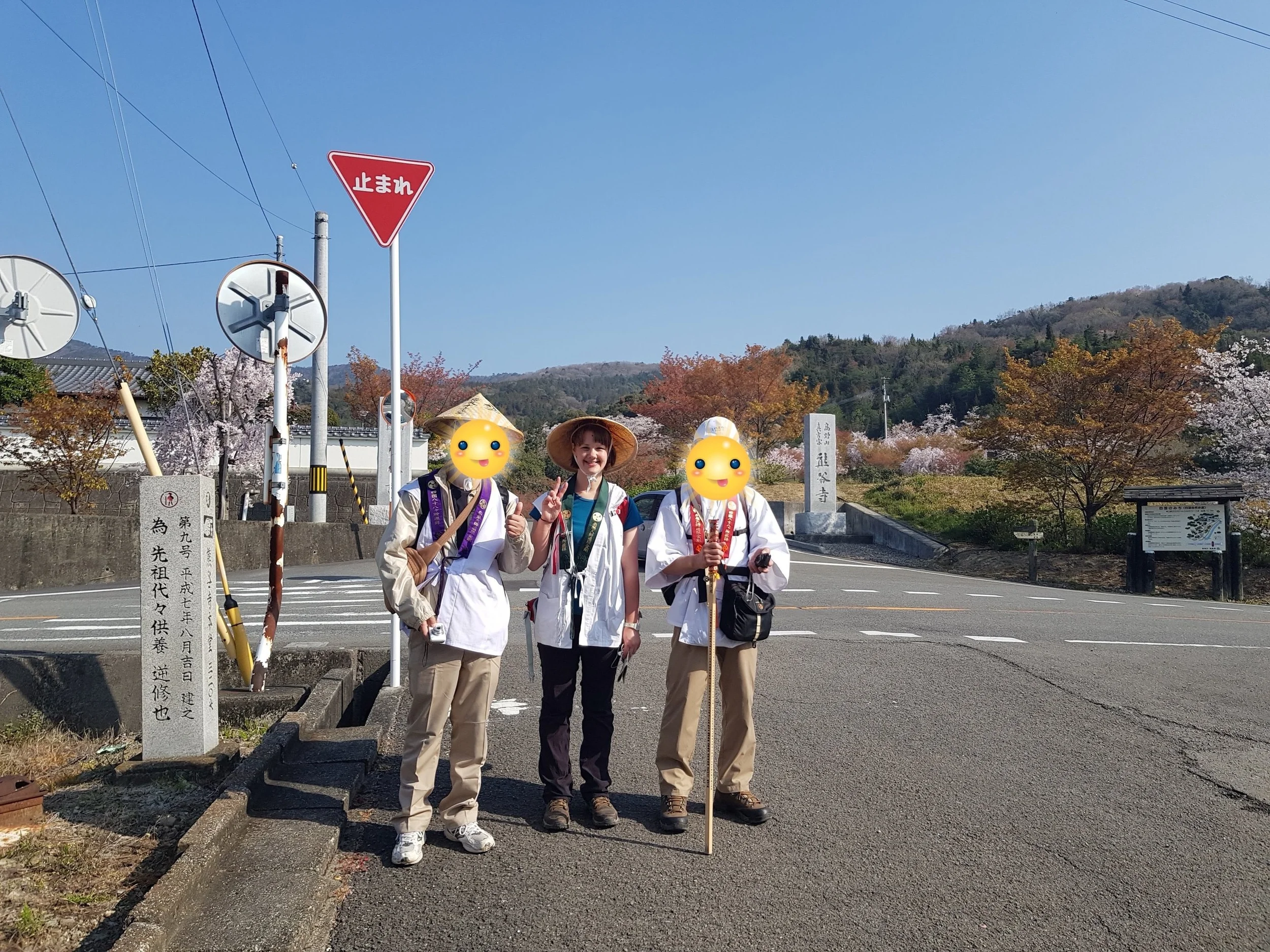
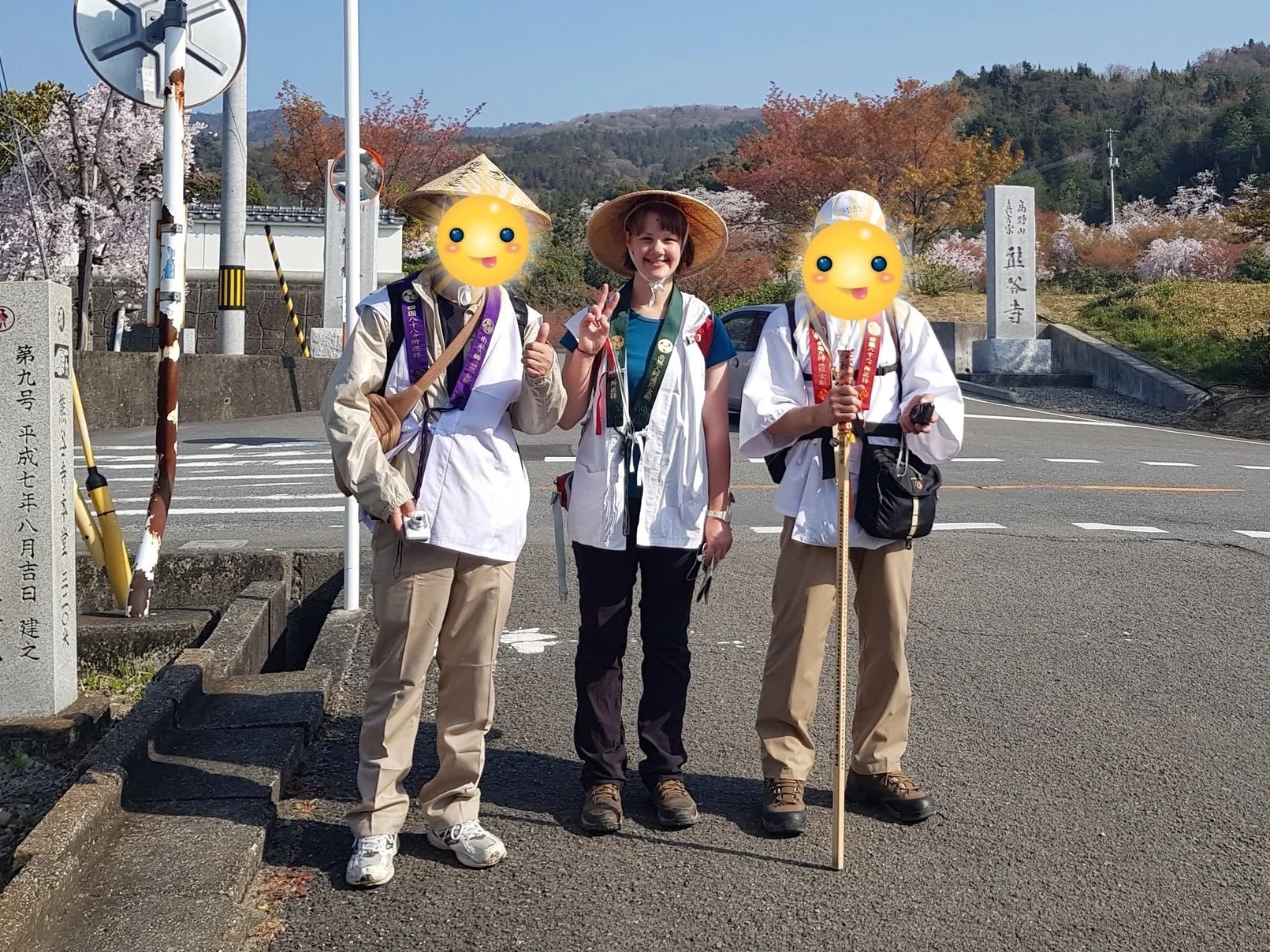
Near Kumadani-ji, temple number 8, we had stopped in front of some glorious cherry blossom, and I got chatting to two older gentlemen who were walking the trail. One told me he had never spoken to a gaijin-san, foreigner, before.
(The cynic in me wonders if that’s really true, or if by “foreigner” he meant “white person”…)
We took some pictures in front of the cherry blossom, and walked up the hill together.
Further up the road, a lady came out of her house and gave us some hard-boiled sweets ...
“Wait here. I want to give you o-settai.”
Near Kumadani-ji, temple number 8, we had stopped in front of some glorious cherry blossom, and I got chatting to two older gentlemen who were walking the trail. One told me he had never spoken to a gaijin-san, foreigner, before.
(The cynic in me wonders if that’s really true, or if by “foreigner” he meant “white person”…)
We took some pictures in front of the cherry blossom, and walked up the hill together.
Further up the road, a lady came out of her house and gave us some hard-boiled sweets.
The sweets were a form of o-settai, small gifts given to walking pilgrims. Traditionally, pilgrims didn't carry money, so they were helped along their way by gifts of food, lodging and other acts of generosity from local people.
“Wait here,” she said when she saw me, “I have something else for you.”
She came back with a colourful children’s section of the newspaper – a visual guide to the Shikoku pilgrimage, with readings for the kanji characters written above in hiragana.
It was several years old. I wondered if she had been saving it for a passing foreigner.
I briefly considered attempting to refuse it: I already had a good map, and I can read kanji, so I didn't need a children’s guide. The next non-Japanese person she met might have more use for it.
But explaining that would have felt arrogant, and you’re supposed to accept o-settai graciously, so I thanked her, and we went on our way.

The next day, I heard it again. “Wait here. I want to give you o-settai.”
I was alone this time. I had stopped to rest on a fading bench outside a children’s centre, and was enjoying my first iced can coffee in a couple of years.
There were no houses on this side of the road, but an elderly lady had come out of her house and crossed the busy road to strike up a conversation with me.
She referred to herself in the third person as obaa-chan, grandmother. She was 82.
The obaa-chan had walked the whole pilgrimage twice, she told me, and had hoped to do it a third time.
“But I’m too old to walk it again now, so I give o-settai instead.”
She went back into the house, and I saw her in the front room with a cardboard box. She did look frail. I wondered if I should follow her over the road so she didn't have to cross it again, but I didn't want to intrude.
“I must have given out hundreds of these,” she said proudly when she came back.
Inside the box were dozens of cotton tissue cases, in all different colours, each with a small packet of tissues inside.
“Did you make these?”
“Of course! Choose one.”
I picked out one with black cats sitting by front doors.
“Thank you very much. I’ll take good care of it.”
The tissue case had a secondary compartment, and inside that was a paper insert. It was a photocopy of handwriting - guidance for living a good life. “I like these words, so I included them too,” she added.
“When you use it, please remember the 82-year-old obaa-chan from Shikoku.”
The tissue case has travelled 6000 miles with me back to England, but I haven’t opened the tissues yet. I’m know she wanted me to use it; but I just want to keep it safe.
It smells faintly of incense.
I think about the obaa-chan sewing tissue cases. I wonder if she waits by the window in pilgrimage season – spring and autumn – waiting for walkers to pass by.
She gave me much more than a tissue case. She made me feel welcome, and showed me kindness. Perhaps that’s what o-settai is…? It’s about human connection. It’s not about things, it’s about people.
I’ll treasure this tissue case, I promise.

Related posts:
Walking the Shikoku 88 Pilgrimage (Part 1) - Plan, plan, plan!
Walking the Shikoku 88 Pilgrimage (Part 2) - The Best First Day in Japan
Walking the Shikoku 88 Pilgrimage (Part 3) - What To Wear
Walking the Shikoku 88 Pilgrimage(Part 4) - How to Talk to Strangers in Japanese
Walking the Shikoku 88 Pilgrimage (Part 5) - Signs of Shikoku
Walking the Shikoku 88 Pilgrimage (Part 6) - Shouting at the French
Walking the Shikoku 88 Pilgrimage (Part 7) - Five Types of Rest Stop You'll Find Hiking In Shikoku
And also: "I treasure this pen case"
Walking the Shikoku 88 Pilgrimage (Part 7) - Five Types of Rest Stop You'll Find Hiking In Shikoku
"Kyūkei shimashou" (休憩しましょう) is one of the first phrases I teach all my students, and it means "let's take a break".
Rest is every bit as important as activity - perhaps more important. In class, it helps you digest and absorb ideas.
And on a long-distance walk, rest stops (called kyūkeijo 休憩所 in Japanese) can be a good place to strike up a conversation …

"
Ky
ū
kei shimashou
" (休憩しましょう) is one of the first phrases I teach all my students, and it means "let's take a break".
Rest is every bit as important as activity - perhaps more important. In class, it helps you digest and absorb ideas.
And on a long-distance walk, rest stops (called
kyūkeijo
休憩所 in Japanese) can be a good place to
.
Luckily for me, the bit of the Shikoku 88 pilgrimage trail I walked this spring had interesting and varied rest stops throughout. So what kind of places are used as
kyūkeijo
?
1) Temple outbuildings
On the first day I walked with another pilgrim, who I'd met at temple number 1. We stopped around midday, at a
ky
ū
keijo
in a temple outhouse building.
The women inside offered us tea and sweets, and in exchange we handed them
osamefuda
(納め札),
slips of paper with your name and a message, on which pilgrims carry instead of money
.
(...traditionally, I mean. Most modern pilgrims carry money too now.)

I was grateful to receive the tea and sweets, but even more grateful to have the opportunity to chat with these friendly women, who said they had lived in Shikoku all their lives.
They told me their ages (in their 70s and 80s), and that some of them had walked the 750-mile pilgrimage three or four times in their lifetimes.
2) Private houses
Some rest stops are out the front of a private home. The owners prepare tea or hot water each morning, and leave it out for visiting walkers:

I sat at this one alone and ate my packed lunch. It was a baking hot day, so I was glad to be out of the sunshine.
Both these
ky
ū
keijo
had signs explaining that the snacks and drinks are offered for free as
o-settai
(お接待), small gifts given to walking pilgrims to help them on their way.
3) Vending-machine seating
Usually, at the temple itself there will be a vending machine or two, with seating next to it.
It can be seen as impolite to eat or drink while walking in Japan, so vending machines often have seats next to them.
You can enjoy your snack first, and then walk around afterwards. Remember, rest is important!

I sat at this one and had a can of iced coffee:

I also spotted this set of hardwood chairs in one temple rest area, which look like they're set up to accommodate a whole coach trip:

4) Outdoor rest stops
In the mountains, a clearing with a place to sit down can be a really nice surprise. This one below had obviously taken some work to create, being in the middle of the forest. And it was labeled (in English!) as a "lounge", which I thought was just great.
It clearly is a lounge. It just happen to be outside!


5) Wooden huts
There are also small rest houses maintained by community groups. These are good for getting out of the sun (or the rain!)
This one had a formidable list of rules about not leaving rubbish behind, and stating that it was only for the use of walking pilgrims. It was on a main road in a town, so I guess they'd had problems before.
Anyway, it seems the rules are being followed these days, as the house was spotless:

I had some tea and a delicious fresh orange, read the extensive rules, and wrote in the guestbook.
Towards the end of my walk, I spotted another outdoor rest stop. This one was also purpose-built, with concrete table and seating, and a great view.
What I liked was that people had added extra seating - the sofa and chair, presumably from someone's home:

But the best type of rest stop is when you get to your lodging for the night, and can put your feet up.
それでは、休憩しましょう!
Sore dewa, kyūkei shimashou!
So,
let's take a break!

Related posts:
Walking the Shikoku 88 Pilgrimage (Part 1) - Plan, plan, plan!
Walking the Shikoku 88 Pilgrimage (Part 2) - The Best First Day in Japan
Walking the Shikoku 88 Pilgrimage (Part 3) - What To Wear
Walking the Shikoku 88 Pilgrimage (Part 4) - How to Talk to Strangers in Japanese
Walking the Shikoku 88 Pilgrimage (Part 5) - Signs of Shikoku
Walking the Shikoku 88 Pilgrimage (Part 6) - Shouting at the French
Walking the Shikoku 88 Pilgrimage (Part 6) - Shouting at the French
"Sumimaseeeeeeeeeeeeeeen!"
I shouted.
("Excuse me!")
The couple turned round, but they didn't move. They were both dressed in full pilgrim garb: long white clothes, their heads protected by conical hats.
"Otoshimono desu!"
("You dropped this!")
They stared at me blankly …
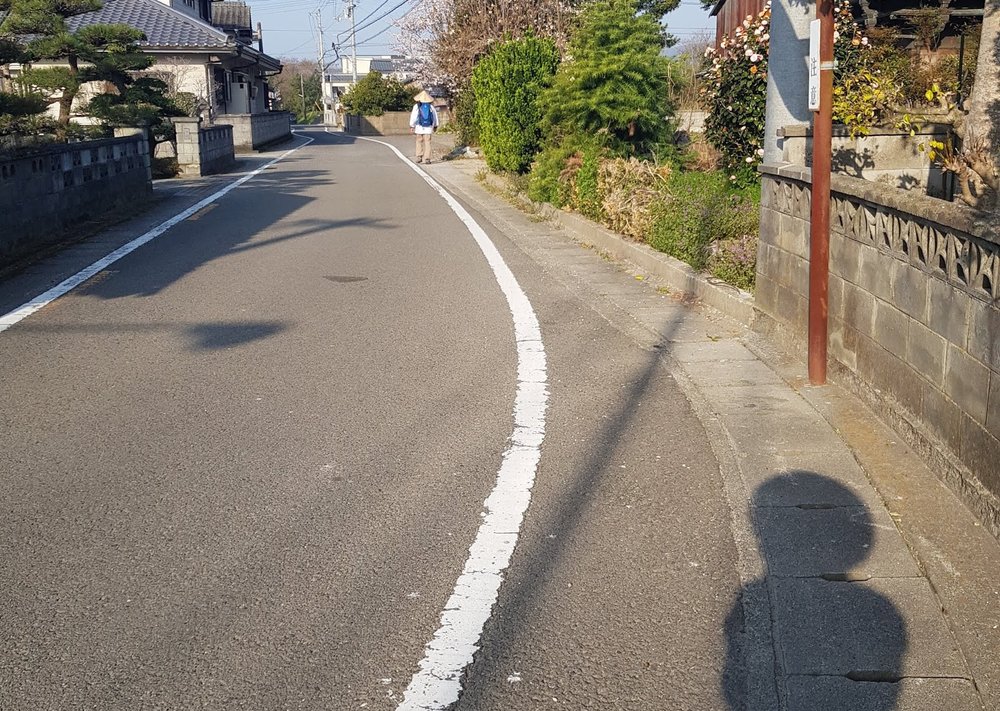
"Sumimaseeeeeeeeeeeeeeen!"
I shouted.
("Excuse me!")
The couple turned round, but they didn't move.
They were both dressed in full pilgrim garb: long white clothes, their heads protected by conical hats.
"Otoshimono desu!"
("You dropped this!")
They stared at me blankly. I waved the little grey bag with its digital camera inside. "
KAMERA
!"
I still couldn't make out their faces, but I thought I saw a glimmer of recognition. One of the pair walked towards me, and it was only then that I saw her face.
"I thought you were Japanese," she said, and I heard a European accent I couldn't place.
"I thought
you
were Japanese," I said.
"We're French," she offered.
"Ah." I paused. "Um, bonjour?"
We walked together a little bit, and then I left them at a rest stop.
I bumped into them again later in the week, at breakfast in the inn we were staying at. The women was showing the owner a piece of paper, and he was squinting at it.
They seemed to be having some difficulty, so I offered to help.
I squinted at the piece of paper too, and was suddenly transported back to year 6, learning about French cursive in class.
There was the name of a youth hostel in the next town over, and a short message underneath. It was all in romaji (Japanese written in the roman alphabet), but in looping, cursive letters:
futari desu. kyou, yoyaku onegai shimasu.
"For two people. A reservation for tonight, please."
I read it aloud to the owner, who promptly got on the phone and made a reservation for them.
"Your note was fine," I told them. "I think he just didn't have his glasses."
Or perhaps he couldn't read their cursive? I didn't say that though.
I wondered later how the rest of their trip went. They seemed to be having a great time.
There's no right or wrong way to walk the Shikoku pilgrimage. And it's possible to travel in Japan without any Japanese language at all. But if you can learn even a bit of the language, you'll have a richer experience, I think.
And you'll understand when someone's trying to tell you you've dropped your camera.
Related posts:
Walking the Shikoku 88 Pilgrimage (Part 1) - Plan, plan, plan!
Walking the Shikoku 88 Pilgrimage (Part 2) - The Best First Day in Japan
Walking the Shikoku 88 Pilgrimage (Part 3) - What To Wear
Walking the Shikoku 88 Pilgrimage (Part 4) - How to Talk to Strangers in Japanese
Walking the Shikoku 88 Pilgrimage (Part 5) - Signs of Shikoku
On walking, and creativity
There are two reasons I like to walk.
The first is that if something is bothering me, I usually find it impossible to be annoyed about it once I have been walking for about half an hour.
You might think that's just because the irritating person or thing is now half an hour away from me.
And that's true. But I think it's something deeper than that, too.
There's something about …

There are two reasons I like to walk.
The first is that if something is bothering me, I usually find it impossible to be annoyed about it once I have been walking for about half an hour.
You might think that's just because the irritating person or thing is now half an hour away from me.
And that's true. But I think it's something deeper than that, too.
There's something about movement, and being outside, that forces my brain to think about things differently.
Maybe
I
was in the wrong?
Or maybe they
are
being unreasonable, but there's nothing I can do about that, and that's ok?
Everything seems better after a half hour walk.

The second reason I like to walk is that's when inspiration seems to strike.
Or to put it another way, I find it almost impossible to be creative while sitting at my desk.
The idea of a
course had been rumbling around in my head for a while, but it formed itself into something concrete when I was in Shikoku in April.
I was surrounded by all these
, and reading constantly. It made me think back to the first time I visited Japan, in 2008. I couldn't read
anything
then, and it was so frustrating.
By the end of the day, I had a clear idea in my head of what I wanted the Survival Japanese course to look like - a practical class, all about getting around.
And an explicit invitation to students to be pro-active and selective about what they need to learn, and what they don't.
I wasn't trying to plan a course on my walk. I was on holiday! I was supposed to be resting my brain, and definitely not working...
But don't you ever find that ideas pop up when you're relaxed, physically away from your work space, and thinking about something else?
This can be annoying. My office isn't at the beach, and I can't take my computer with me on a walk. (You could get out your smartphone, I suppose, and start making notes. But that's not really in the spirit of the thing.)
The writing-things-down part has to happen at my desk. But the thinking part - that usually happens on a walk.
I suspect I'm not the only one. Am I?
Walking the Shikoku 88 Pilgrimage (Part 5) - Signs of Shikoku
"Gambatte kudasai" is sort of untranslatable but also extremely translatable. (The best kind of Japanese phrase!)
Gambatte kudasai means "do your best!" or "go for it!"
When I started learning Japanese at university in 2008, my classmates and I thought the phrase gambatte kudasai was quite funny for some reason ...

"Gambatte kudasai"
is sort of untranslatable but also extremely translatable. (The best kind of Japanese phrase!)
Gambatte kudasai
means
"do your best!"
or
"go for it!"
When I started learning Japanese at university in 2008, my classmates and I thought the phrase
gambatte kudasai
was quite funny for some reason. So when we had to write a short dialogue about a holiday and commit it to memory as part of a speaking test, my partner and I shoehorned in a bunch of "
gambatte kudasai"s.
My partner showed our work to his (Japanese) mum, who sent it back covered in red corrections and with all our "
gambatte kudasai
"s crossed out. Apparently they didn't work in context.
The problem is, I knew that
gambatte kudasai
means "try your best", but I didn't know it sounds weird if you're talking about buying a plane ticket...
I heard lots of "
gambatte kudasai"
walking the first leg of the Shikoku 88 pilgrimage this spring. It was written everywhere too - in fact there were lots of interesting signs.
The pilgrimage trail is pretty well marked. Signage is consistently spaced, and in many places there's a way-marker every 100 metres.
But it's also endearingly inconsistent in design - on some stretches every sign is different, and many are handmade.
There are these little
aruki-henro
(歩き遍路
;
walking pilgrims) to mark the way:

Red is the dominant colour - sometimes just a red arrow, like this stone below. Actually, there's kanji (Chinese characters) carved into the stone too, but it's difficult to see:

Some signs are in English as well as Japanese, although this was less common:

Some show you which way to turn at an upcoming junction. This took a bit of getting used to, but was very useful. Even in rural areas, I didn't get lost once.

Sometimes, the signs just said 道しるべ (
michi-shirube;
guidepost).
Note that many of these handwritten signs are in vertical text, and from right to left:

This next sign packs a lot of meaning into a few kanji characters:
空海
kūkai
(aka Kōbō Daishi, the Buddhist monk in whose footsteps pilgrims walk)
遍路道
henro michi
(pilgrimage trail)
同行二人
dougyou ni-nin
("two people going together" - the idea that the walking pilgrim is never alone, as Kōbō Daishi is walking with you)

The tough parts of the trail are called
henro korogashi
(遍路ころがし; "the place where the pilgrim falls down").
This bit of
henro korogashi
had even more signposts throughout, so you know how far you have left to go. There's a 1/6 sign to let you know when you are one-sixth of the way through; then 2/6 for two-sixths, and so on.
This picture was taken just before the last stretch, when I was a bit tired:

And of course there are plenty of little signs saying がんばって下さい
gambatte kudasai
(
"keep going!"
.
This made me smile, and was genuinely quite encouraging.

We all need a bit of encouragement sometimes!
Related posts:
Walking the Shikoku 88 Pilgrimage (Part 1) - Plan, plan, plan!
Walking the Shikoku 88 Pilgrimage (Part 2) - The Best First Day in Japan
Walking the Shikoku 88 Pilgrimage (Part 3) - What To Wear
Walking the Shikoku 88 Pilgrimage (Part 4) - How to Talk to Strangers in Japanese
P.S.
If you can't read Japanese, but you want to recognise common signs and notices before your holiday to Japan, you should check out my new
Survival Japanese for Beginners
-
, it starts Thursday 26th July in central Brighton.
Or if you do read Japanese but want to get better, join us for
- a summer course in learning Japanese by reading lots of easy books.















Like many people in the UK, I studied French in school. I liked French. I thought it was really fun to speak another language, to talk with people, and to try and listen to what was going on in a new country. (Still do!)
When I was 14 we went on a school exchange to the city of Reims, in northeastern France. I was paired with a boy, which I’m sure some 14-year-olds would find very exciting but which I found unbearably awkward. He was very sweet and we completely ignored each other.
That was nearly 20 years ago, and I didn’t learn or use any more French until, at some point in lockdown, I decided on a whim to take some one-to-one lessons with online teachers. Here are some things I learned about French, about language learning, and about myself.