Welcome to the Step Up Japanese blog archive!
Although I’m not currently adding new posts to the blog, you’ll find plenty of Japanese learning tips, study advice, and resources to explore here.
Browse the blog index to view a complete list of posts.
For the latest news, course updates, and Japanese learning tips from Step Up Japanese, sign up for my newsletter.
Search this blog:

Useful Phrases for Your First Online Japanese Lesson
Can you say “can you hear me?” in Japanese?
In some ways, a Skype lesson isn’t that different from a face-to-face Japanese lesson. But all new situations need some new vocabulary! And when you start having one-to-one lessons online, you might need some new words and phrases you haven’t come across before.

Can you say “can you hear me?” in Japanese?
In some ways, a Skype lesson isn’t that different from a face-to-face Japanese lesson. But all new situations need some new vocabulary! And when you start having one-to-one lessons online, you might need some new words and phrases you haven’t come across before.
1) もしもし moshi moshi
“Moshi moshi” is another way to say “hello”, but it’s usually only used on the phone.
When you answer the phone in Japanese, say “moshi moshi”.
You can also say “moshi moshi?” if the line cuts out and you want to check that the other person can hear you.
2) 聞こえますか kikoemasu ka
“Kikoemasu” means “to be heard” or “to be audible”. So in the context of a phone call or Skype lesson, “kikoemasu ka” means “Can you hear me?”
It’s a good way to check your mic is working at the start of a lesson!
3) 見えますか miemasu ka
If you have Japanese lessons via Skype, it’s important that you can see the teacher, and they can see you!
“Miemasu ka” means “Can you see me?” Use this phrase if you want to check with your teacher that your video is working ok.
4) もう一度お願いします mou ichido onegai shimasu
“Mou ichido” means “once again”, and “onegaishimasu” means “please”.
So “Mou ichido onegai shimasu” means “please say that again.”
Perfect for if you didn’t quite catch what your teacher said.
5) わかりますか wakarimasu ka
“Wakarimasu ka?” means “do you understand?” Your teacher may ask you this.
You can answer this question with “wakarimashita” (I understand; I got it). Or “wakarimasen” (I don’t understand).
6) ____はわかりません。 ____wa wakarimasen.
This phrase means “I don’t understand [word].” For when you need to say exactly what you don’t understand!
You could also ask “[word] wa eigo de nan desu ka” (“What is [word] in English?”)
For example:
Teacher: 週末はどうでしたか。Shuumatsu wa dou deshita ka? (How was your weekend?)
Student: …「どう」はわかりません。…”Dou” wa wakarimasen. (…I don’t understand “dou”.)
Teacher: 「どう」は英語で”how”です。 “Dou” wa eigo de “how” desu. (“Dou” means “how” in English”)
Student: ああ、わかりました! Aa, wakarimashita! (Ah, I got it!)
If you can get a few of these phrases under your belt, you should be ready to face any new situation you encounter during your first online Japanese lesson!
But remember, you don’t need to be perfect before your first lesson… lessons are for practising, and making mistakes so you can learn as much as possible.
2018: A Round Up - Change, New Things, and Building a Community
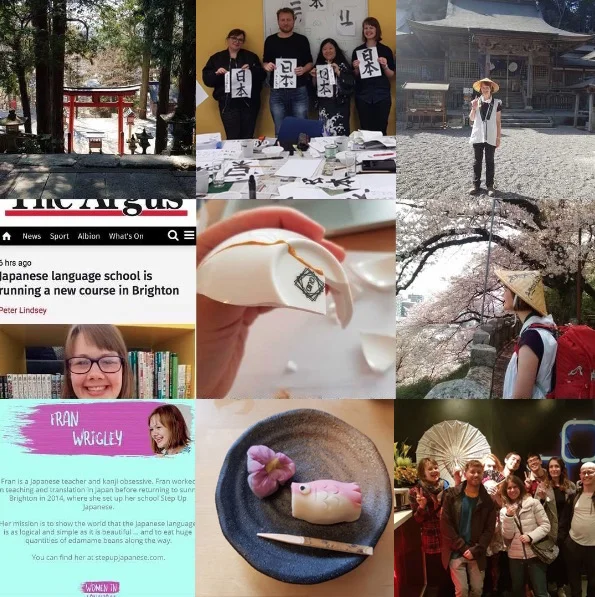
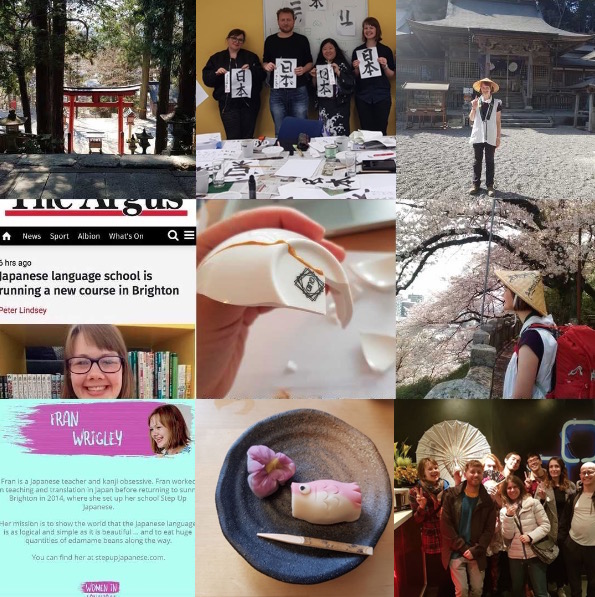
Last year went super quickly. And we did a lot of new things at Step Up Japanese! Here’s what my students and I got up to in 2018.
Last year went super quickly. And we did a lot of new things at Step Up Japanese! Here’s what my students and I got up to in 2018.
We started the year off in class by playing 福笑い fukuwarai, or “Lucky Laugh”. Blindfolded students have to listen to instructions given by their classmates (in Japanese, of course). The funnier the face is, the more laughter you’ll have throughout the year:
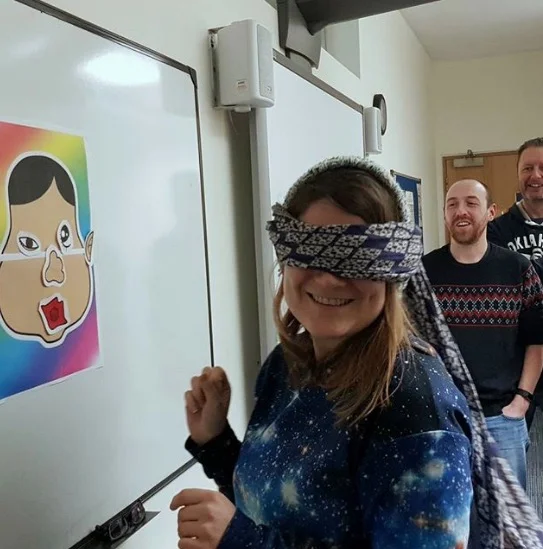
I liked this game so much we did it again at the start of 2019 too.
At the start of 2018, I also finished a long-standing project on instagram, sharing Japanese onomatopoeia words! Here’s one of my favourites, わくわく wakuwaku, the onomatopoeic sound for excitement:
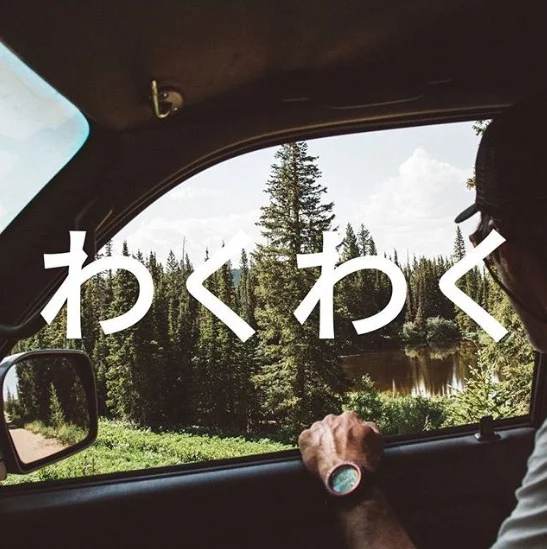
Find them on instagram with the hashtag #25incredible
Something big that changed just before 2018 was an increase in the amount of time and energy I had available to put into Step Up Japanese.
Up until the end of 2017, I was working full time and running Step Up Japanese on the side. In October 2017, I reduced my hours at my other job, giving me more time and energy to focus on making Step Up Japanese into the school I want it to be.
Looking back at 2018, I feel like I was able to focus on improving classes, offering more to students, and that I had more “headspace” to be creative and to improve the business.
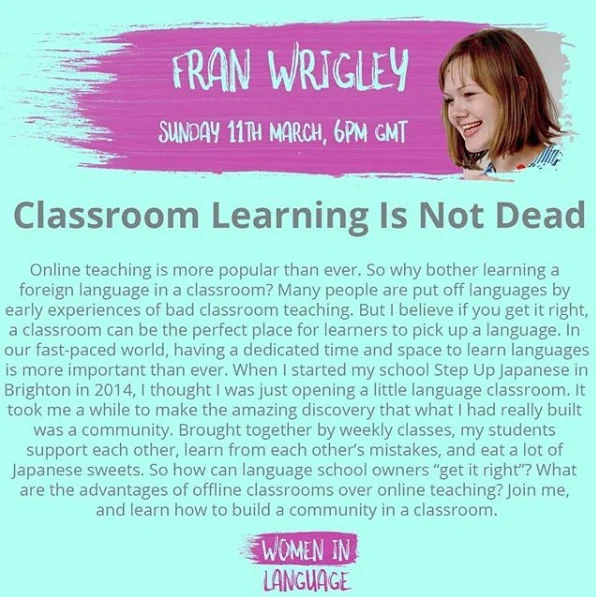
Reducing my hours at my other job freed me up to say yes to more things this year. In March, I was invited to speak at Women in Language, an online conference run by and for women who work with and love languages. I was a bit terrified, but I said yes!
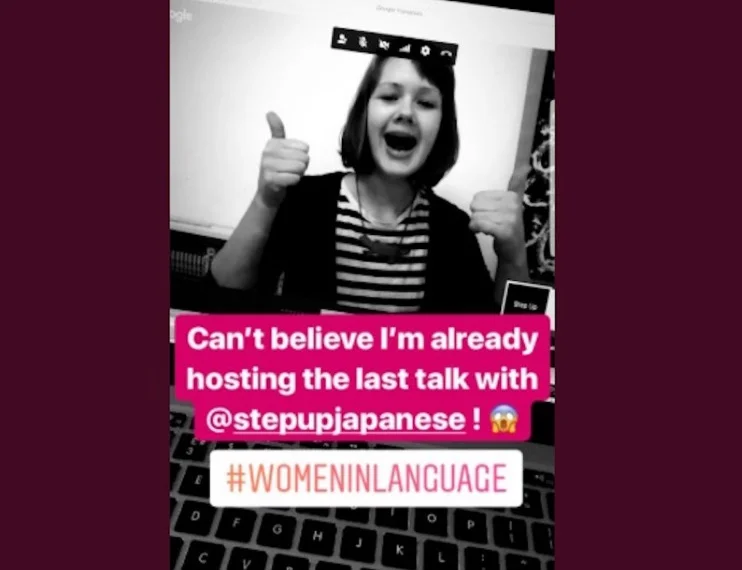
My presentation was about running a classroom-based language school in an increasingly online world. Giving a talk online was a new experience for me, and I learned a lot in the process.
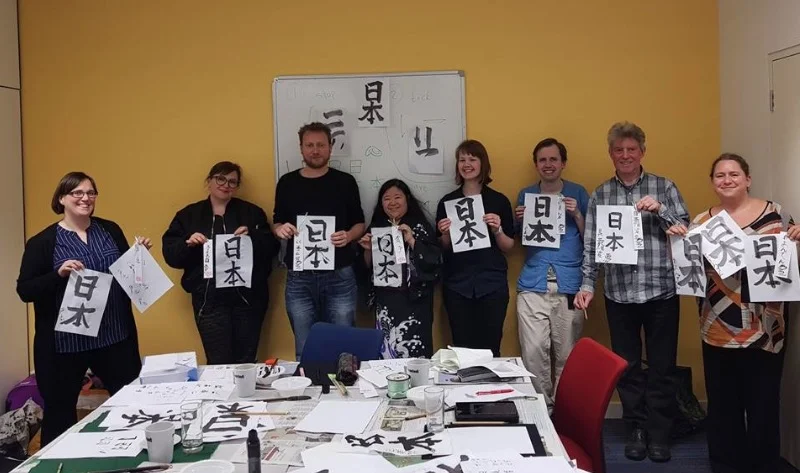
In March, my students and I went to the fantastic annual Open Day run by Brighton & Hove Japanese Club, where we practiced calligraphy and ate delicious Japanese food and snacks before sneaking off to the pub.
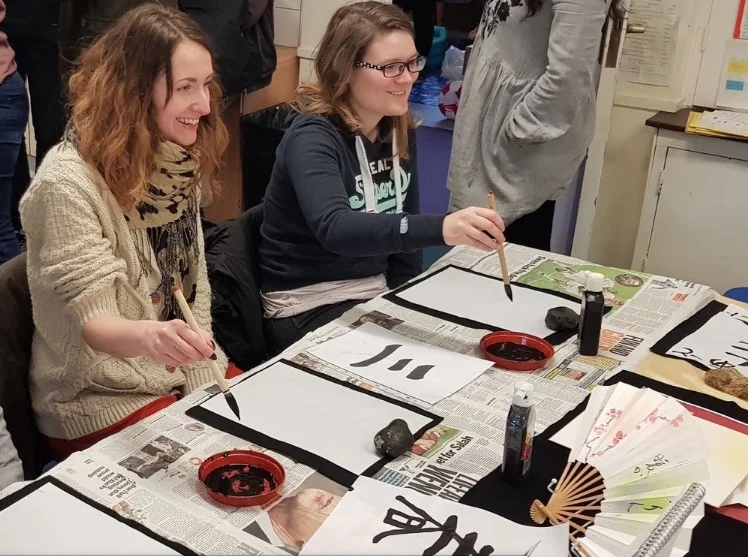
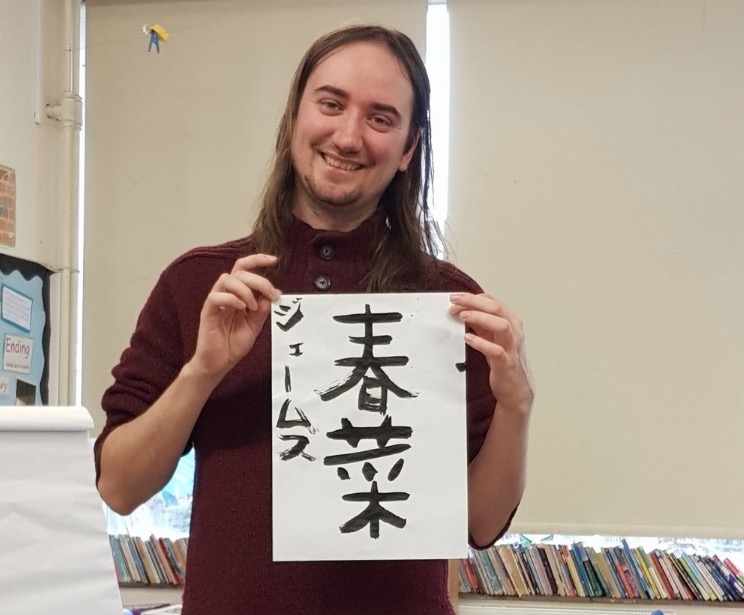
My Beginner students also had a special treat in March, with a calligraphy workshop in class by calligraphy artist Takako Higgs:
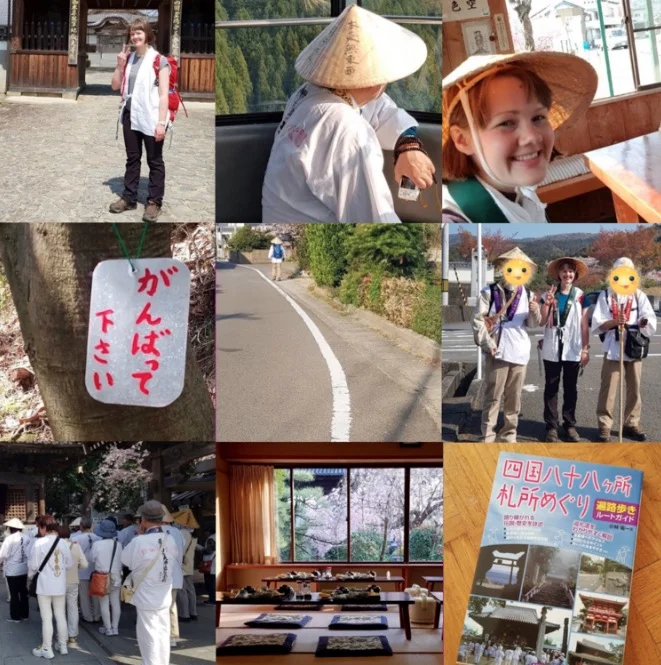
In March, I travelled to Shikoku, Japan, where I began to walk the Shikoku 88 pilgrimage trail, a long-distance walking route around the island. I walked from Temple 1 to Temple 21 on the trail. To say I had a good time would be an understatement! It was a fascinating and unexpectedly spiritual experience and I feel very fortunate to have had the opportunity.
Back in the UK, in April we celebrated the end of term with a sushi night!
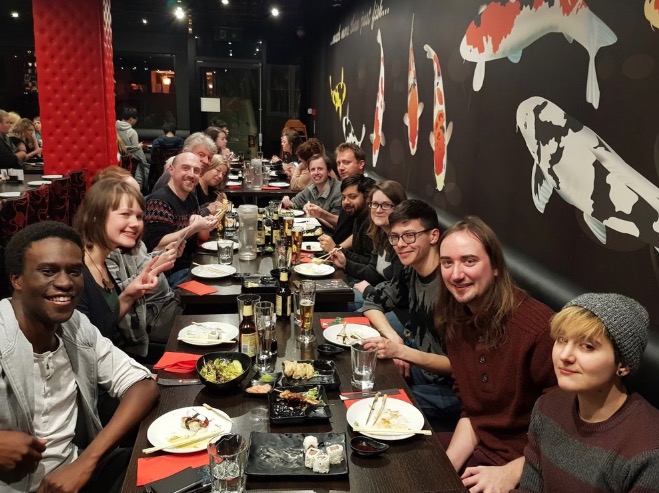
Spending time with my students outside of class is always a lot of fun.
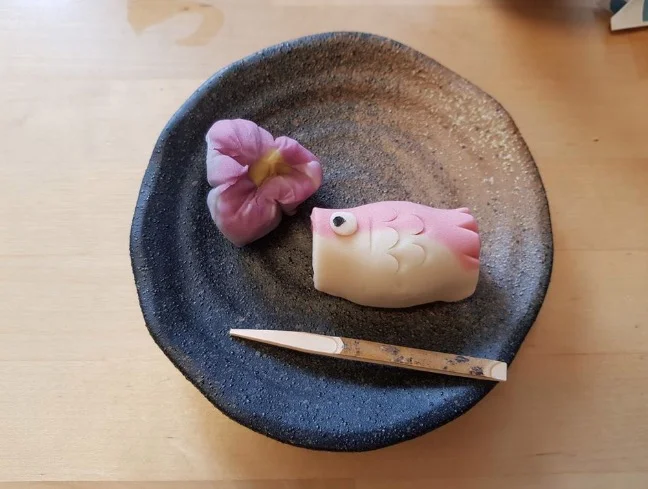
We did something else new, and had our first Japanese Afternoon Tea at Cafe an-an in Portslade, where we enjoyed small dishes and sweets themed around 子供の日 kodomo no hi, the Japanese ”Children’s Day” festival:
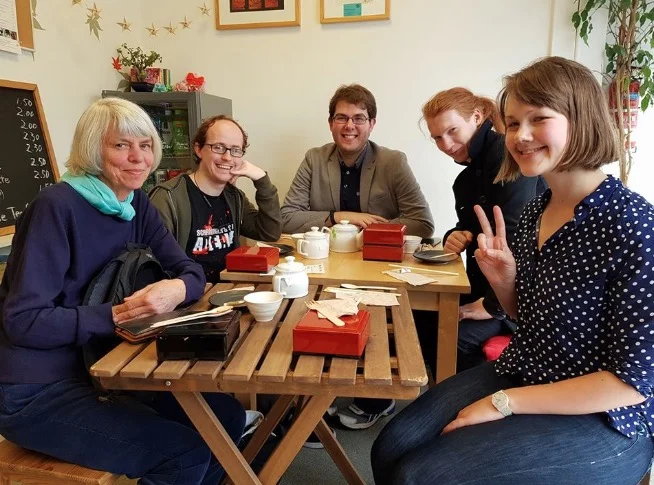
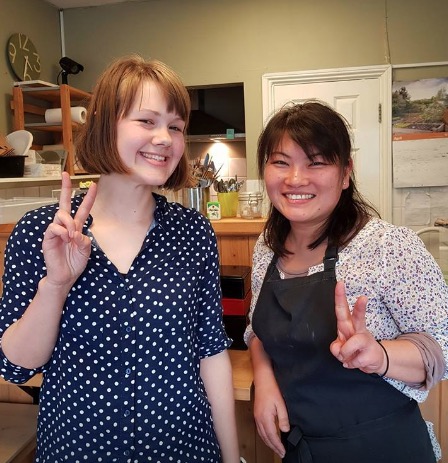
Thank you so much Noriko-san for hosting us!
In May, this blog had its first guest post - a great write-up all about Gachapon machines by Step Up Japanese student David Sharp.
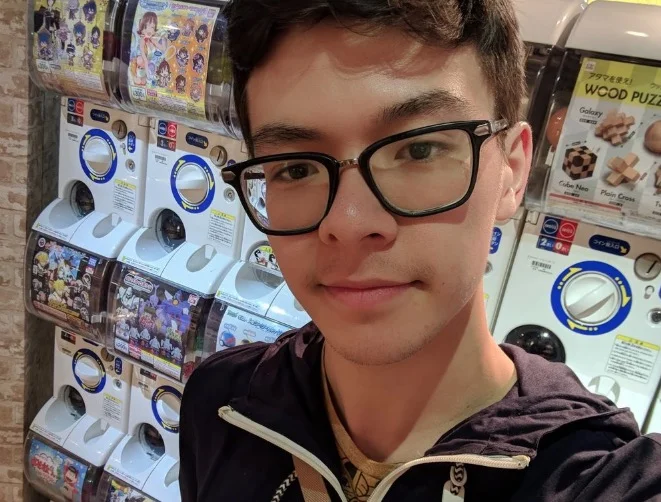
I’d love for you to hear more from my students on this blog in 2019! If you’d like to write a guest post, please get in touch.
In Spring, STEP 1 and STEP 3 classes also practiced typing in Japanese, with many students trying it out for the first time. Beginners learned the basics, while the Pre-Intermediate class (STEP 3) put their typing skills to a test with a google treasure hunt.
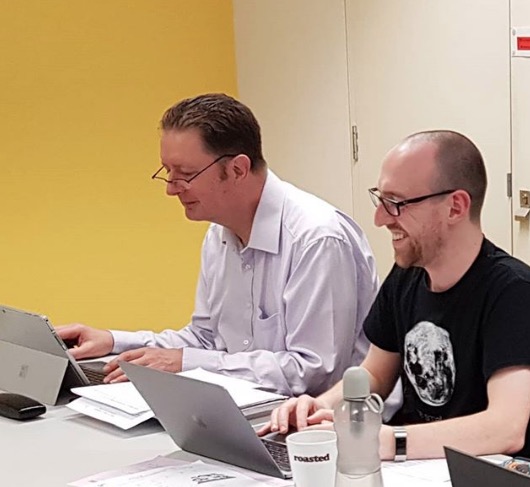
This was so much fun I’m doing it again this year with all classes
In June, we celebrated the end of the academic year with a mini classroom party (which meant I got to eat Japanese party food three days in a row!)
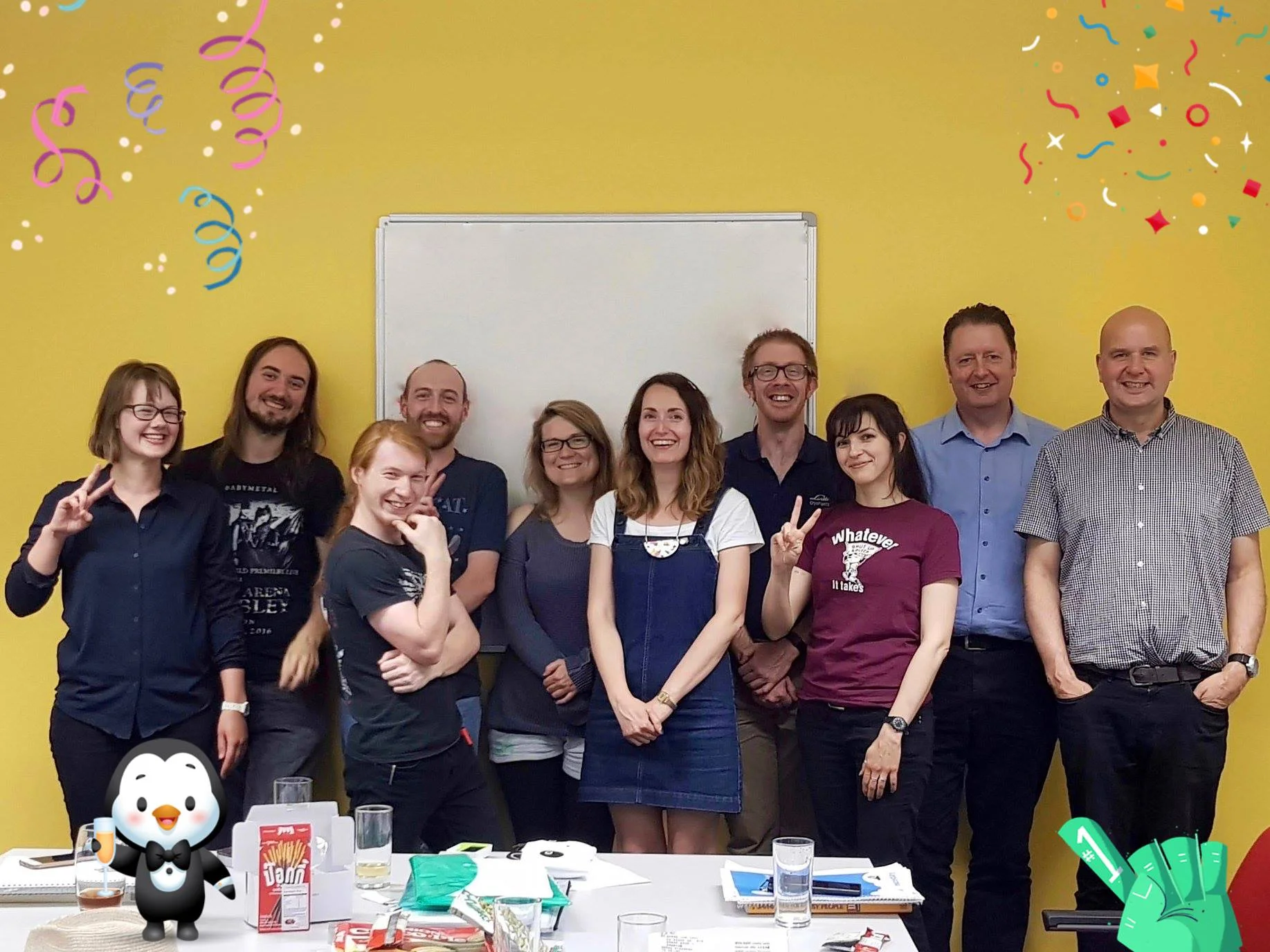
お疲れ様です! おつかれさまです! Thanks for all your hard work!
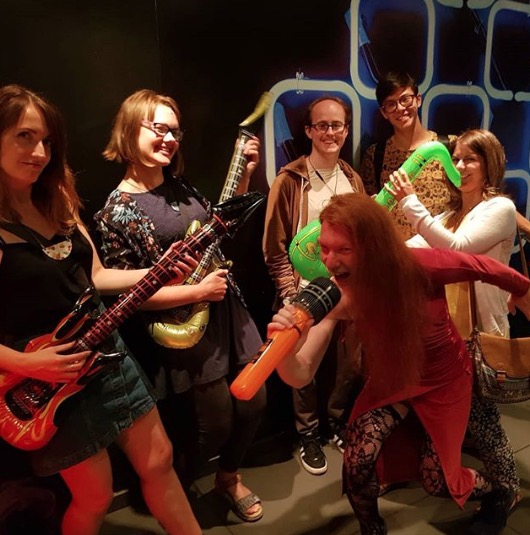
In July I went with some of my students to karaoke! Lucky Voice doesn’t have Japanese songs unfortunately, but they do have Japanese-style private karaoke boxes and a button that you press to order food and drinks.
In previous years, I’ve taken the whole summer off from group classes, but in 2018 I ran six-week summer courses for the first time. The three courses were all new: Survival Japanese for Beginners, Tadoku - Let’s Read, and Mokuyoubi no Kaiwa - Japanese Conversations.
We were even in the Argus (Brighton’s local newspaper), with an article about my Tadoku reading course:

Summer courses are a bit different to my regular Japanese courses - there’s no textbook and no homework, for a start. I think my students got a lot out of the summer courses, and the chance to focus on one or more skill intensively.
I’m looking forward to opening them again in Summer 2019!
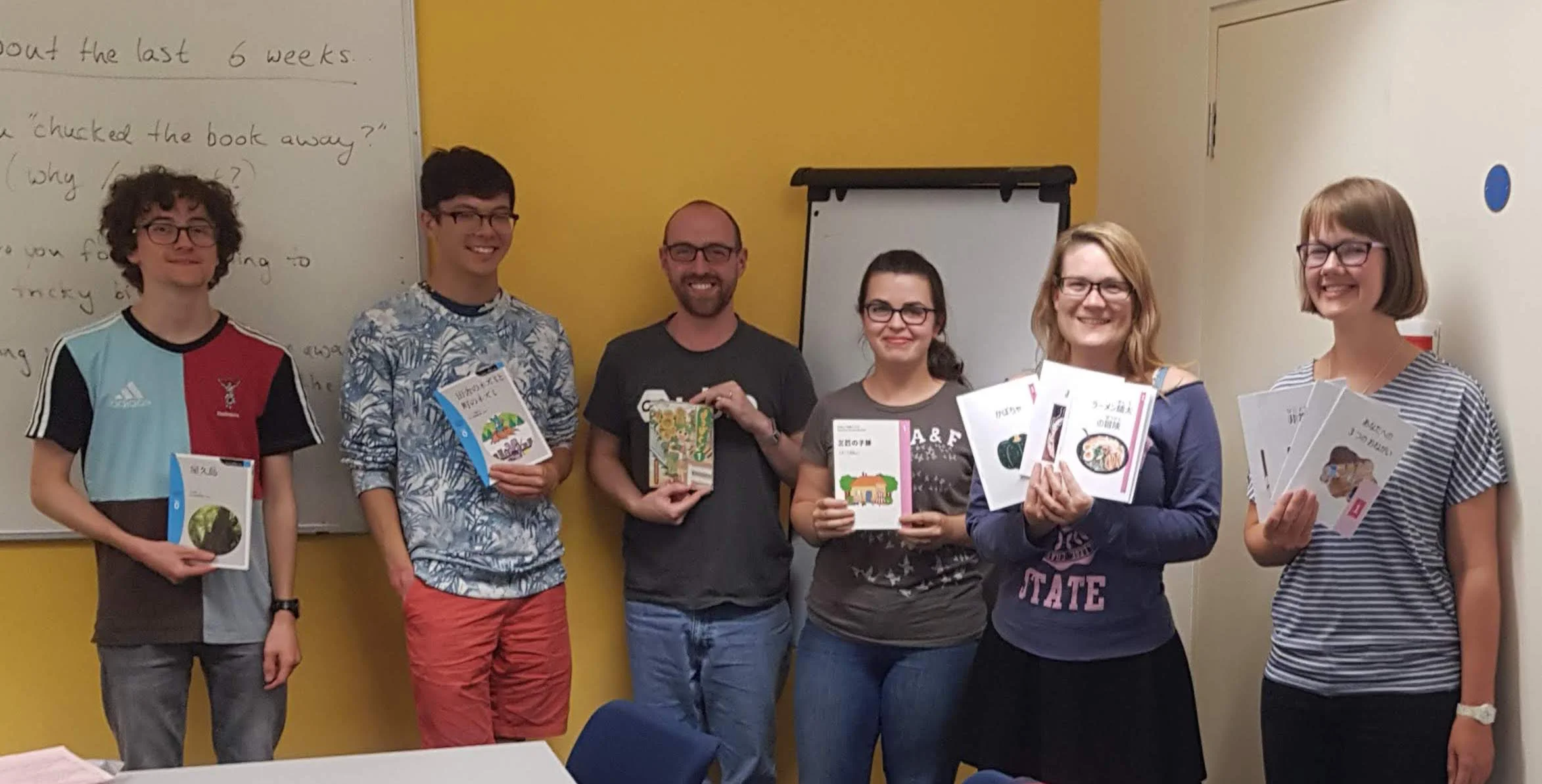
Me with some of my Tadoku learners
We also had another special guest in August, as Japanese volunteer Aria came to help out with classes. Aria-san, arigatou gozaimasu!
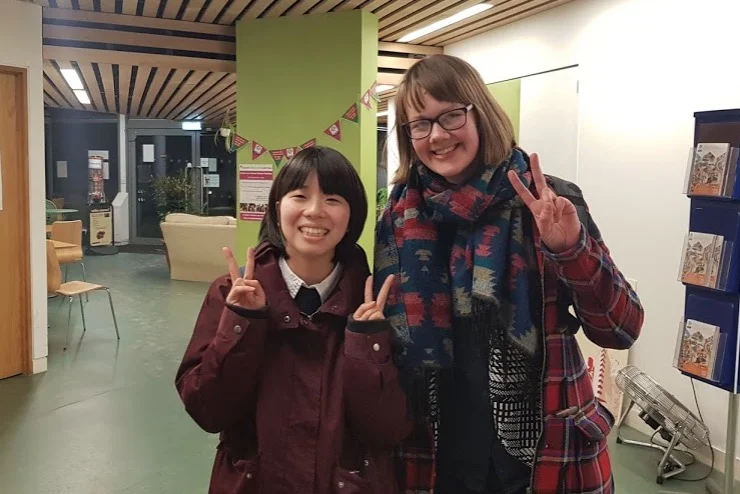
I forgot to take a photo in August, so here’s a photo from the following february when Aria came again to volunteer (hence the winter coats!)
We were also invited to a brilliant Japan-themed pub quiz organised by Ronnie Chapple who subsequently cycled across Japan to raise money for Sussex-based charity Survivors’ Network.
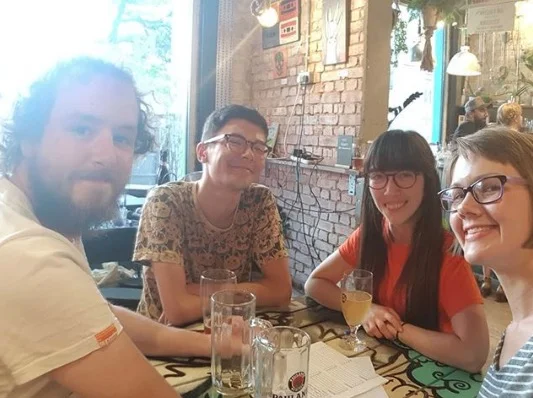
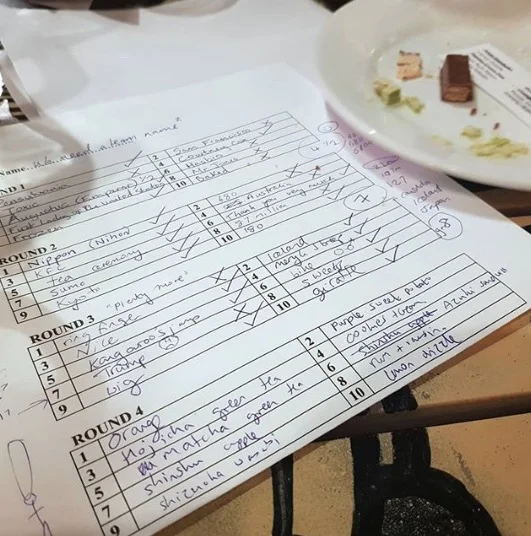
Like all good pub quizzes, this one had a Japanese kit-kat round, which we scored 100% in…
August also means our Summer Party! We had a sunny barbecue on the beach again on the bank holiday weekend. This year, my students brought not only homemade burgers, but home-brewed beer! I was very impressed.
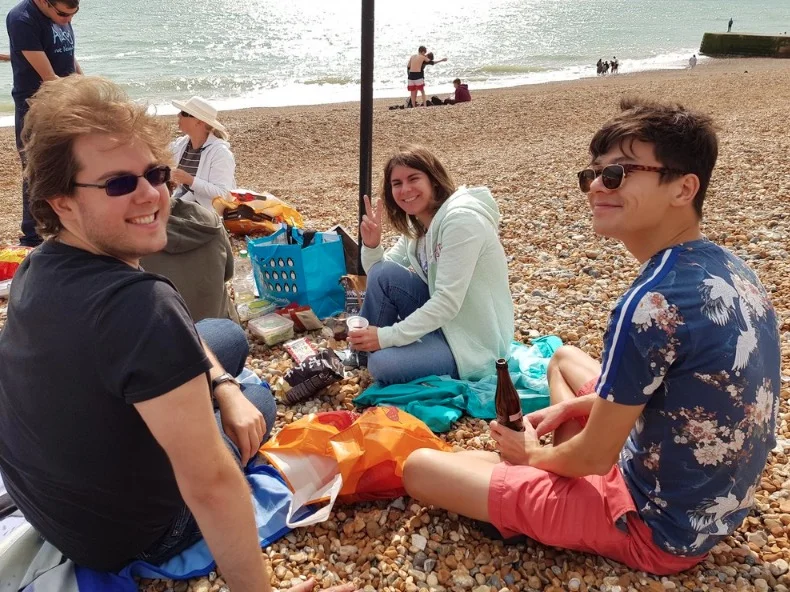
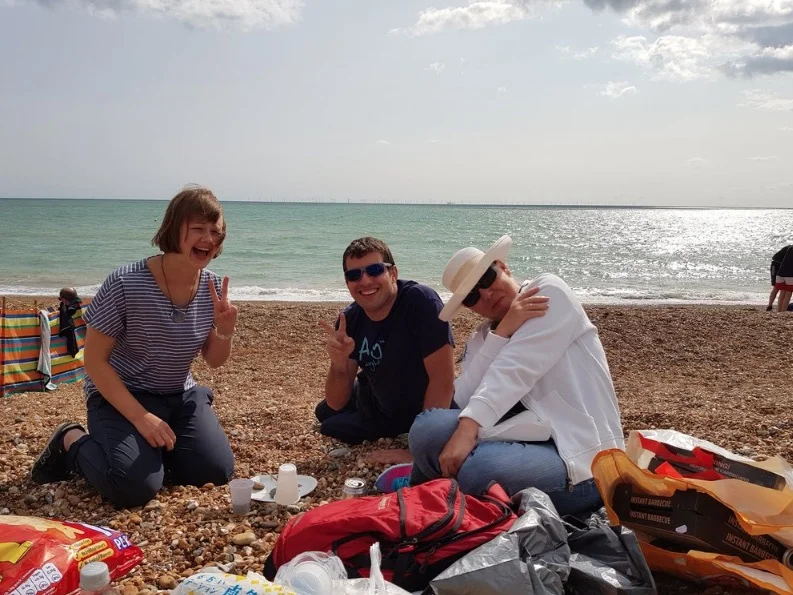
Thank you all for coming!
One of my aims for 2018 was to go to more teacher training and professional development events. I didn’t really achieve this - other things got in the way - with the notable exception of The Language Show (more on that later!)
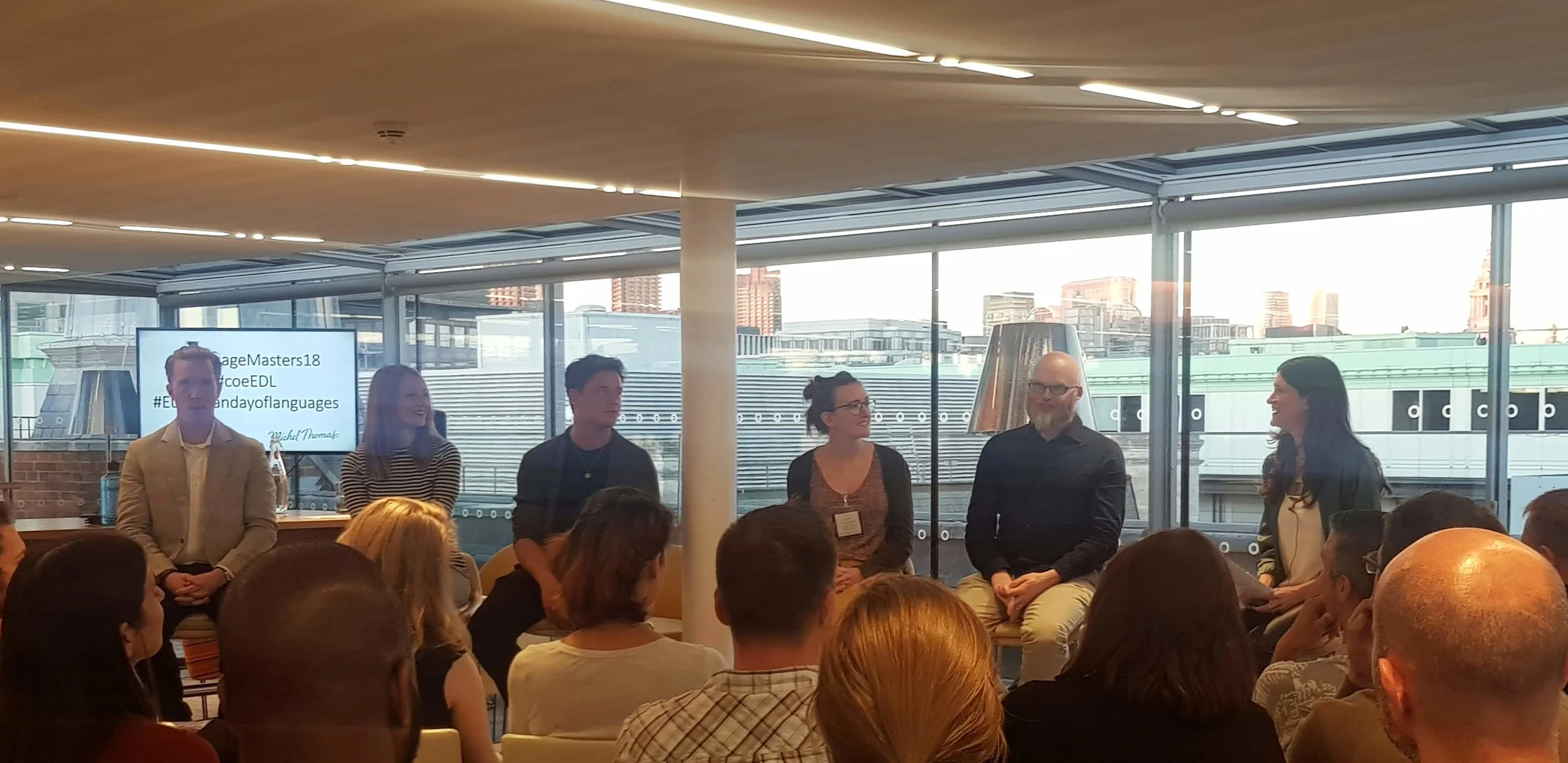
But in September I did also make it to The Language Masters, a panel discussion on different ways to learn foreign languages. This was an interesting and thought-provoking event tackling big questions: What is fluency? How can we inspire the next generation of language learners? Plus, the rooftop venue was very cool, and I got to meet some really interesting people.
In October, lessons started again for the new academic year - my courses run October to June - and I opened a new class too, STEP 4, which takes students from the pre-intermediate to the intermediate level in Japanese.
Before I knew it half-term had rolled around and my students and we went to karaoke again!
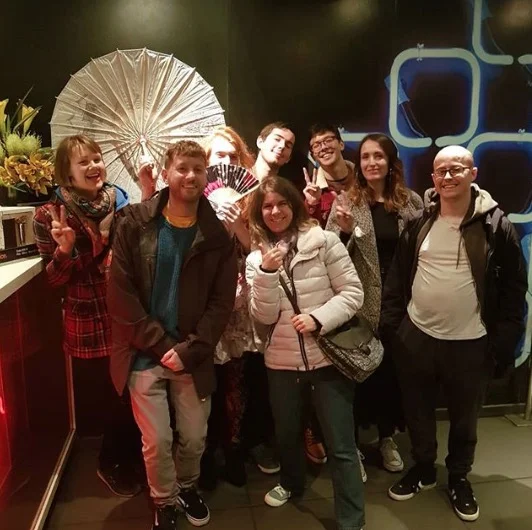
Group shot with about half the group - sorry to those who had to leave before we took this photo!
In November I went to The Language Show, where I spent two full days attending interesting and varied talks on language teaching.
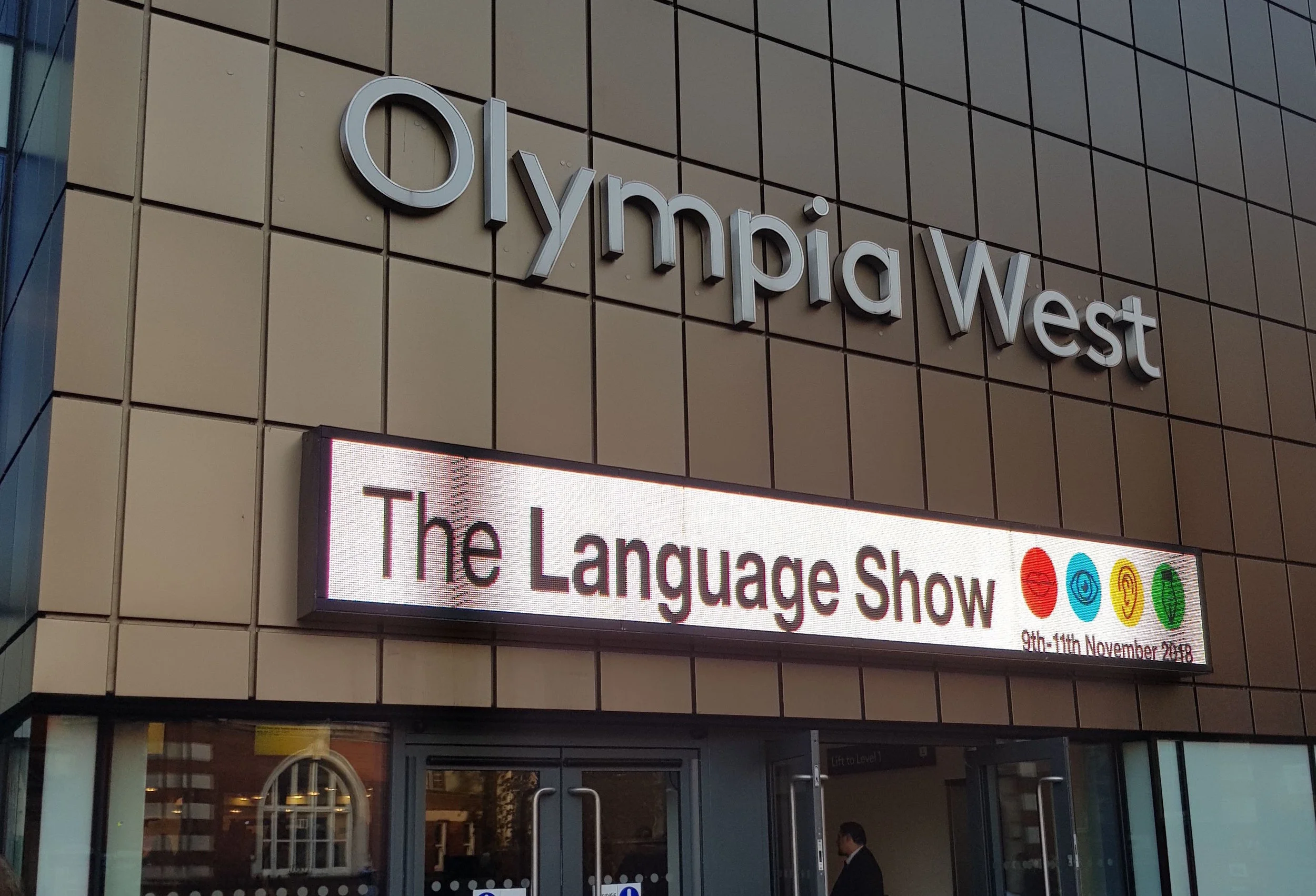
I learned so much from the weekend and have already put into practice a lot of practical teaching ideas I picked up at this show. Highlights for me included Dr M Florencia Nelli’s talk Playing languages: how to create and effectively use games in language lessons:
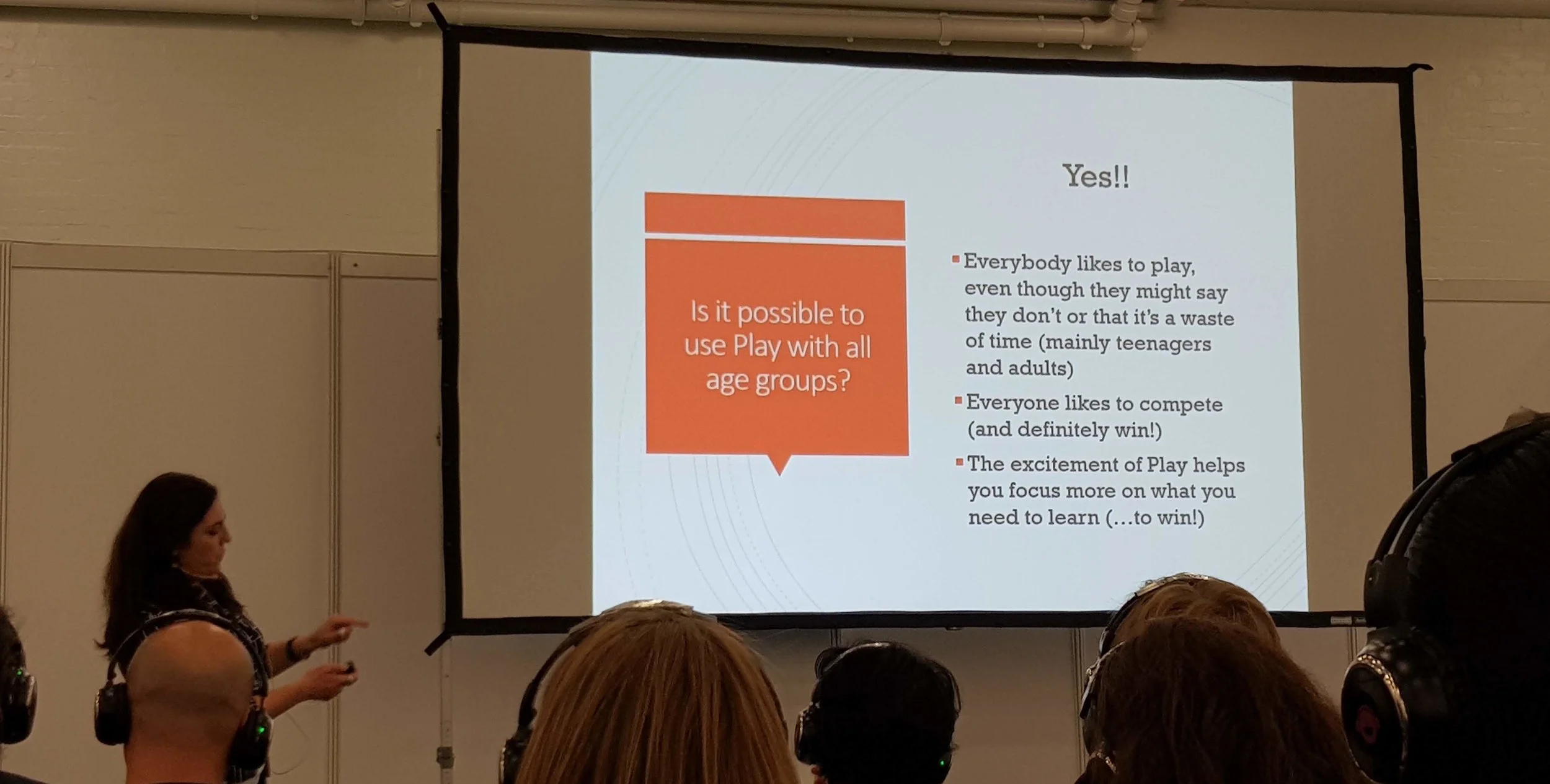
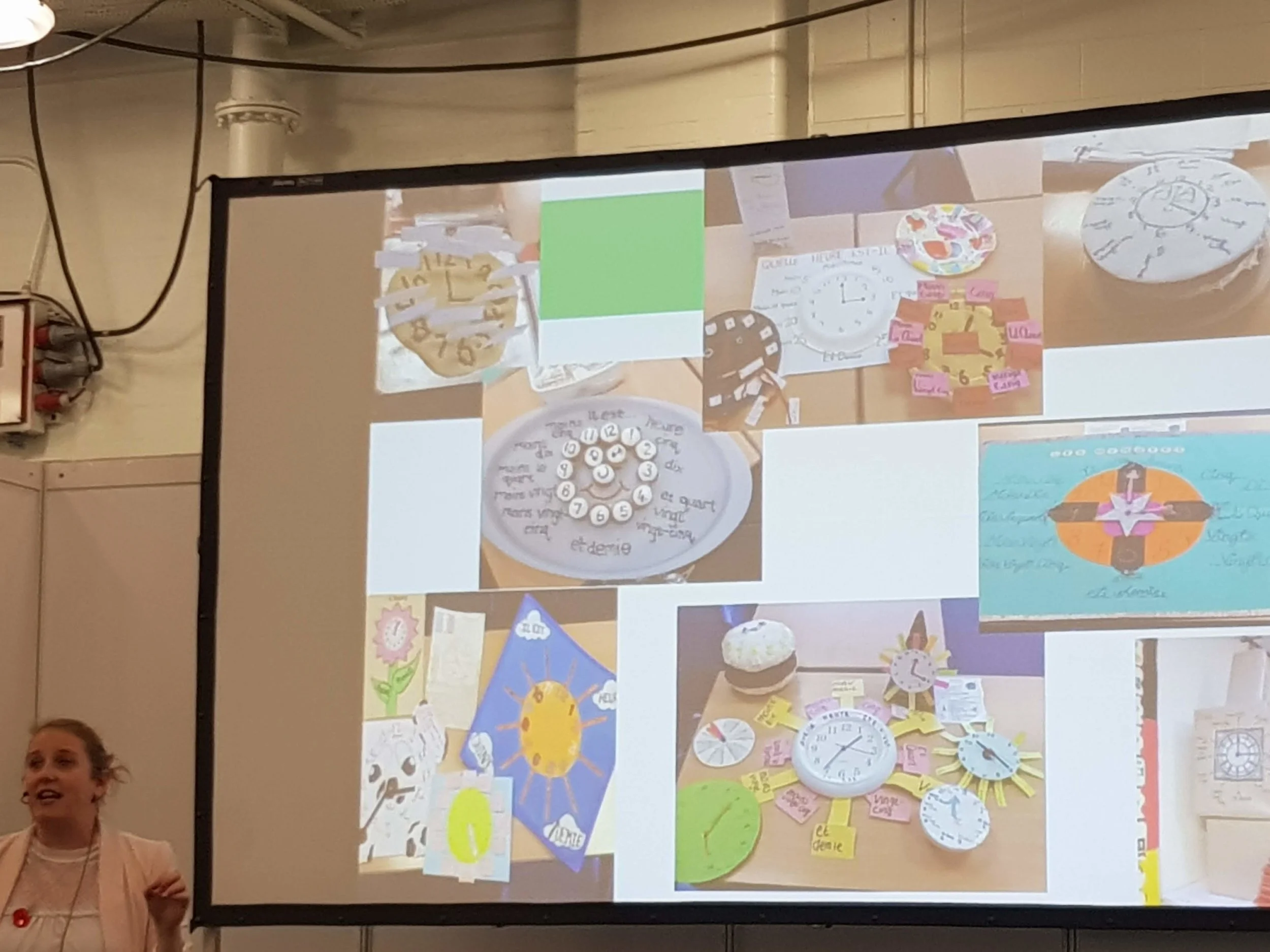
and Jennifer Wozniak’s talk Engagement in Language Learning, which was packed full of ideas for motivating students of all ages. I really liked Ms. Wozniak’s ideas for language learning outside the classroom (why not do a cooking class in the target language?)
And I loved her approach to teaching time with this homework, giving students free rein to be creative with time-telling practice:
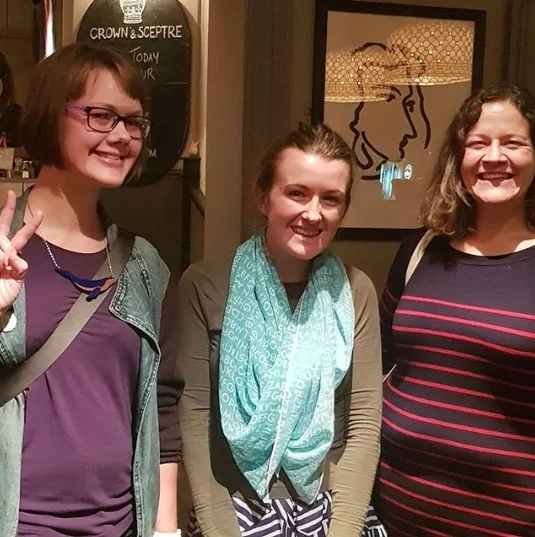
After The Language Show, I also got to meet up with two of Women in Language’s founders, the talented Lindsay Williams (of Lindsay Does Languages) and Kerstin Cable of Fluent Language.
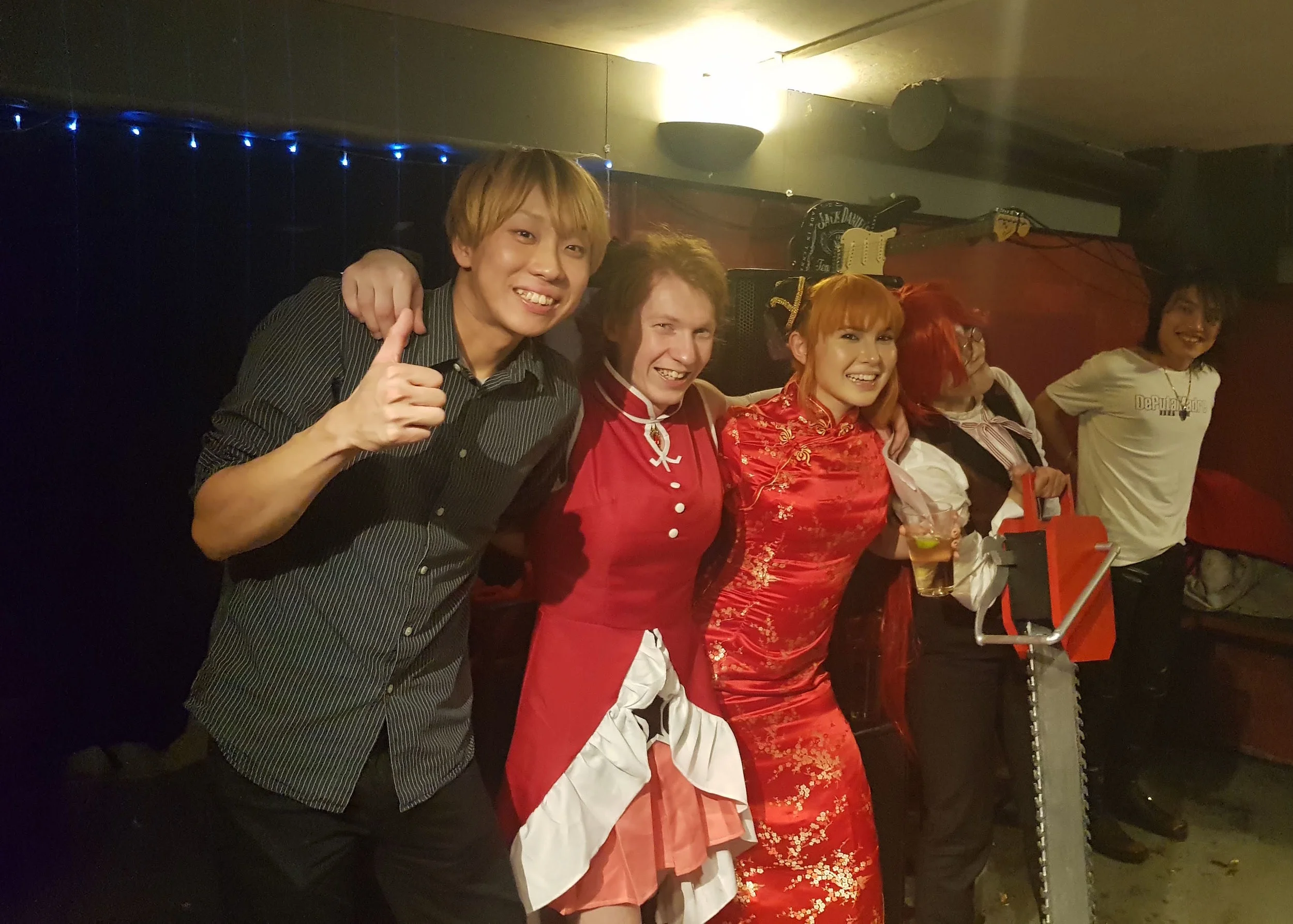
In December, we were invited to the 忘年会 (bounenkai) end-of-year party of the Brighton & Hove Japanese Club.
This was a lot of fun - and a chance to meet more local Japanese people too.

忘年会 (bounenkai) can also be translated as “forget-the-year party” - not that I want to forget this year!
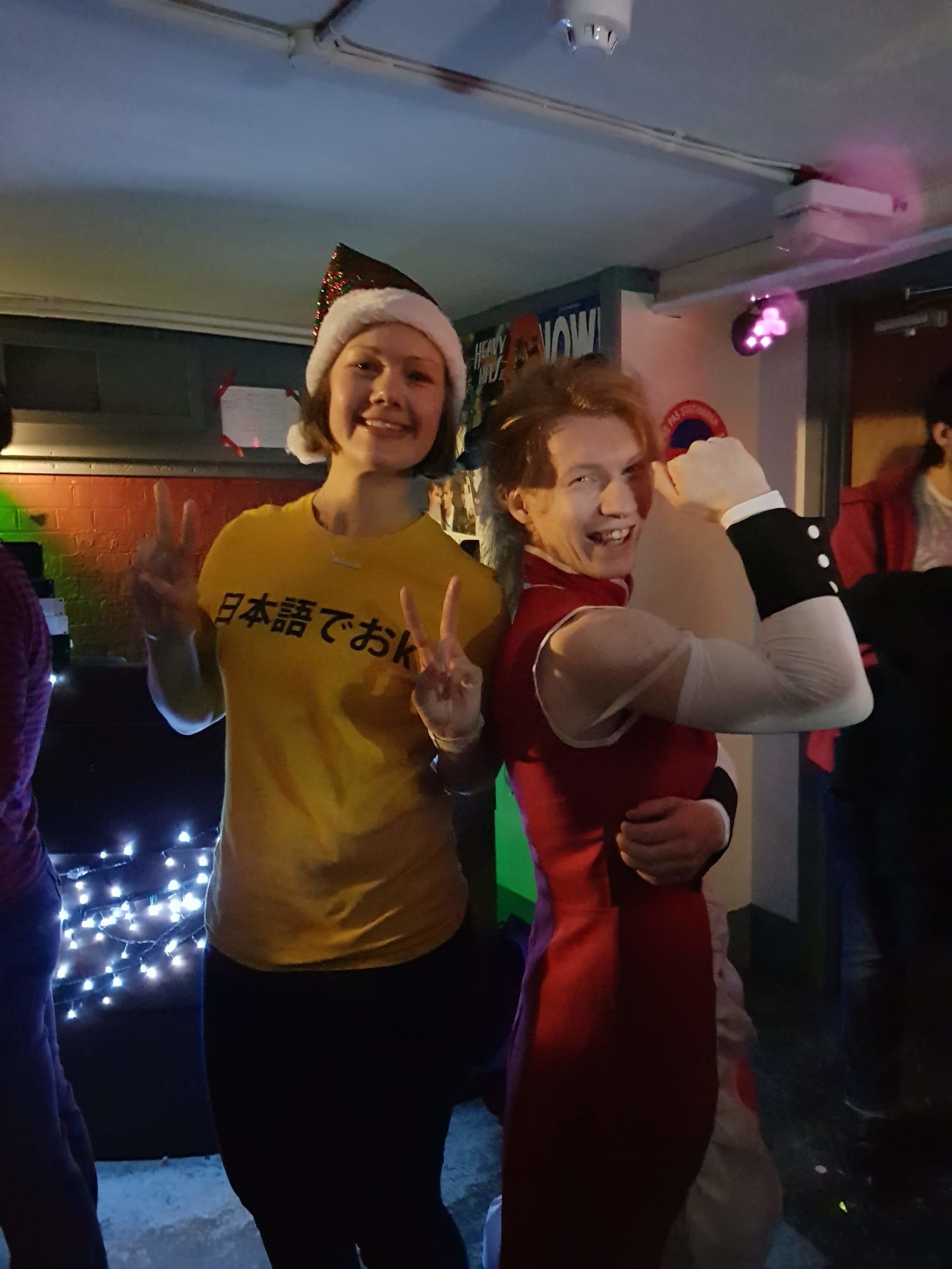
My student Sheen even won a prize in the cosplay competition!
And of course we had an end-of-year party of our own - finishing up 2018 with a trip to Moshimo, Brighton’s ethical and sustainable sushi restaurant.
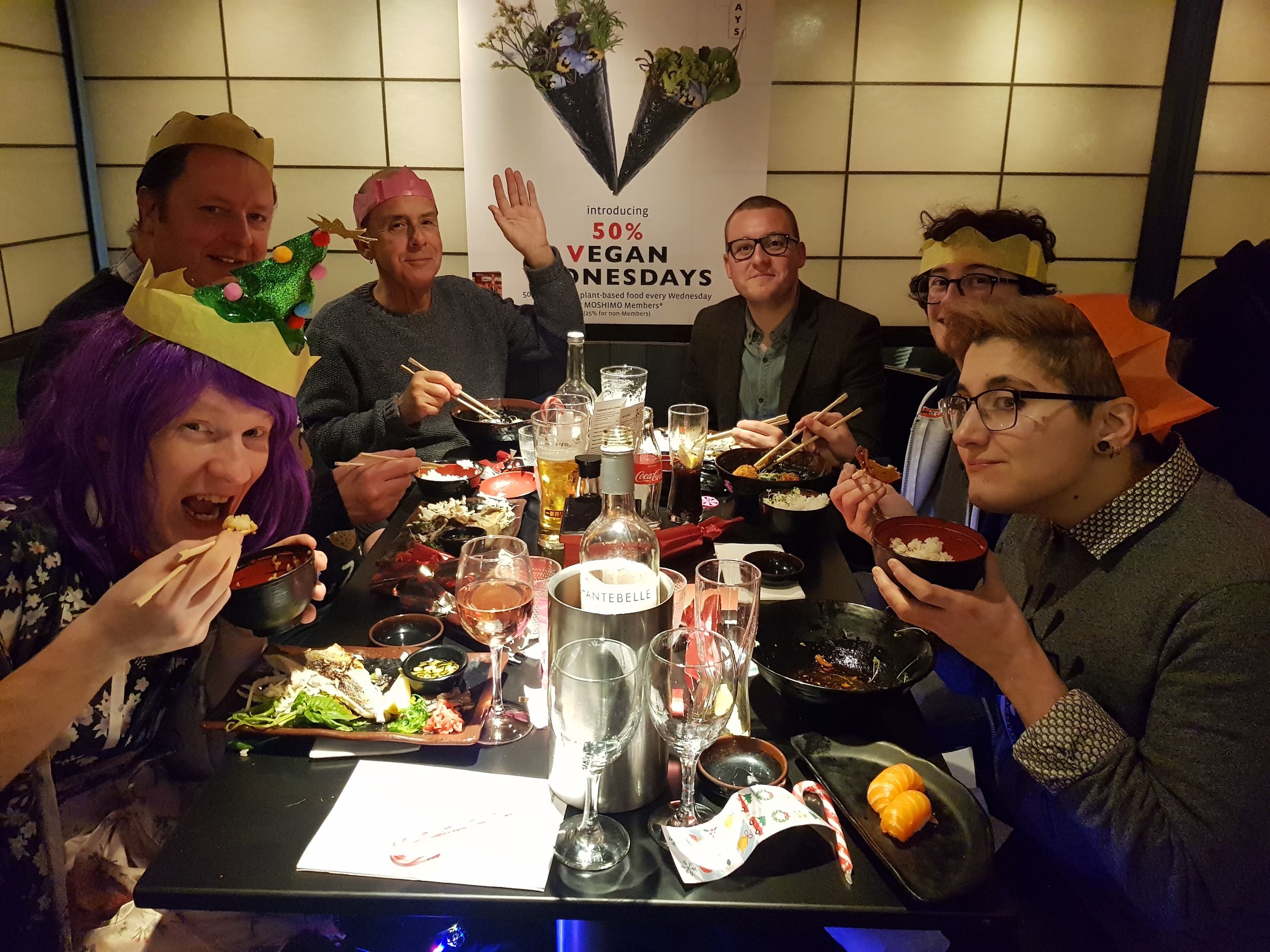
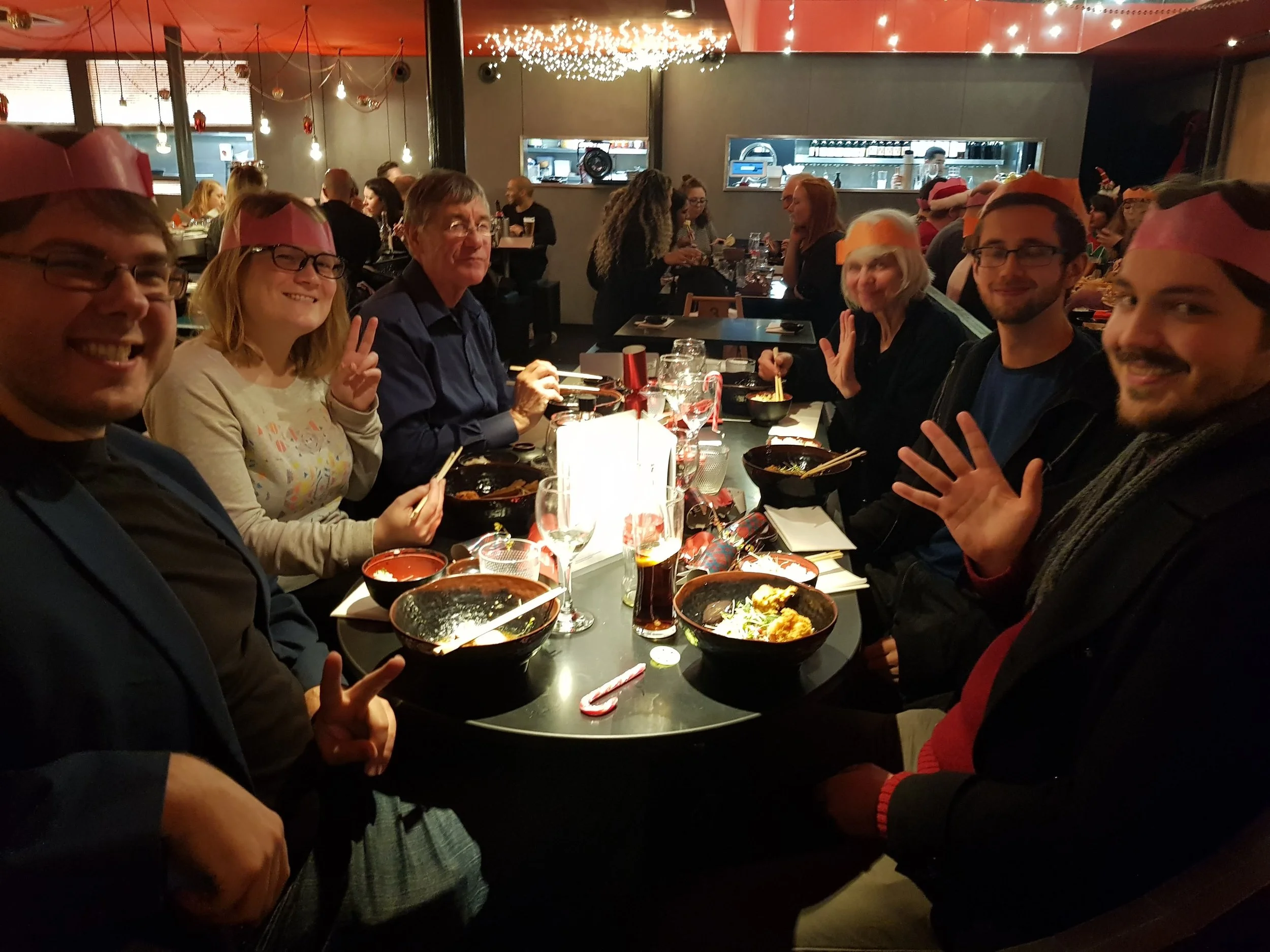

We were a big group, and the staff really looked after us - arigatou gozaimashita!
I run Step Up Japanese by myself, but I’m not really alone. I’m helped along by local business owners who host our events and look after us; members of other local groups who kindly invite us to events; and by Japanese volunteers who come to class and help out.
And most of all I am helped enormously by my students, who offer their support, good ideas, home-brewed beer, and endless souvenir Japanese kit-kats. いつもありがとうございます! Itsumo arigatou gozaimasu! Thank you, as ever.
Let’s make the rest of 2019 awesome too :-)
Fran x

Three Reasons Why Language Learning is Just Like Skateboarding
I bought a skateboard. And not just so I can start calling myself "the skateboarding Japanese teacher".
I've wanted to learn to skate for a long time. I'm turning 30 this year and I thought I should probably get on with it.
You know that Chinese proverb, "The best time to plant a tree was 20 years ago. The second best time is now"?
Well, I should probably have started skateboarding 20 years ago, because it turns out skateboarding is really hard. I didn't start when I was nine though, so now will have to do.

I bought a skateboard. And not just so I can start calling myself "the skateboarding Japanese teacher".
I've wanted to learn to skate for a long time. I'm turning 30 this year and I thought I should probably get on with it.
You know that Chinese proverb, "The best time to plant a tree was 20 years ago. The second best time is now"?
Well, I should probably have started skateboarding 20 years ago, because it turns out skateboarding is really hard. I didn't start when I was nine though, so now will have to do.
I'm not very good yet. In fact, I'm very bad.
I know I can do it though. It's just like learning Japanese! (Hear me out, ok...?)
1. You need to fall over a lot
You're going to fall off a skateboard, and make mistakes, and mess things up. It's going to hurt.
Sound familiar? Learning to speak a language is a process of making constant mistakes, and gradually getting better. If you don't make any mistakes when you're speaking a foreign language, you're not learning anything.
The only way to learn how to be good at something, is to first be very bad at it.
(I tell myself this constantly as I wobble around town on my little skateboard).
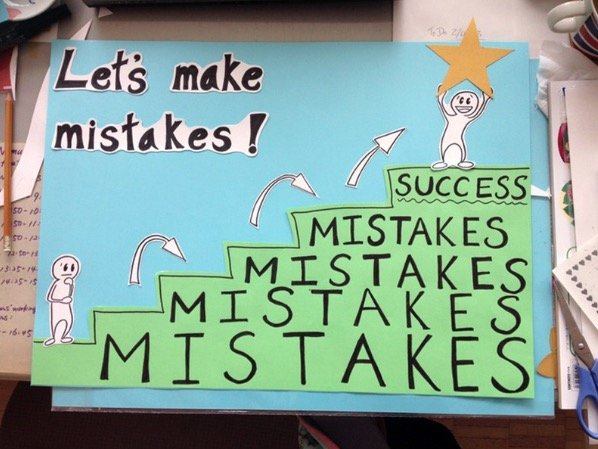
Image source: Verity Lane / Tofugu
2. It takes discipline
Learning any new skill takes considerable time and effort. You have to practice, even when you don't feel like it or when something else seems more appealing.
In a way, it's easy to be motivated, i.e. to want to do something. It's much more difficult to be disciplined - to do something even when you don't want to.
Taking your skateboard out on Saturday, even when it looks a bit windy, and you're not any good yet, and there are builders on the corner of the street who might laugh at you - that's discipline.
Studying a little bit of Japanese every day, even when you just feel like watching TV instead - that's discipline too.
Nothing that's worth doing can be learned overnight. (Unfortunately.)
3. You might feel silly
One of my students wrote this on his class feedback form last year:
"...while I feel terrible and clumsy while doing it, the speaking practice afforded by the class is something that is very difficult to get anywhere else."
I was a bit taken aback by this, because he doesn't sound terrible or clumsy when he speaks Japanese.
But a lot of people feel this way about doing something new, especially in front of other people. I certainly do.
Making mistakes can make us feel embarrassed or awkward.
(As a teacher, there's an added dynamic: I don't want my students to feel uncomfortable. But I do want to stretch them, and help them to push out of their comfort zone. It's a difficult balance, sometimes.)
I feel like very silly on my skateboard. Sometimes you've just got to push through it, I think, and focus on the goal.
"Think how good you'll feel when you can casually skateboard to work",
I tell myself. For me, it's the same feeling as:
"Think how good you'll feel when you can read a whole book in Japanese. Or have a ten-minute conversation. Or 30 minutes. Or a whole day!"
What do you think?














Like many people in the UK, I studied French in school. I liked French. I thought it was really fun to speak another language, to talk with people, and to try and listen to what was going on in a new country. (Still do!)
When I was 14 we went on a school exchange to the city of Reims, in northeastern France. I was paired with a boy, which I’m sure some 14-year-olds would find very exciting but which I found unbearably awkward. He was very sweet and we completely ignored each other.
That was nearly 20 years ago, and I didn’t learn or use any more French until, at some point in lockdown, I decided on a whim to take some one-to-one lessons with online teachers. Here are some things I learned about French, about language learning, and about myself.