
Welcome to the Step Up Japanese blog archive!
Although I’m not currently adding new posts to the blog, you’ll find plenty of Japanese learning tips, study advice, and resources to explore here.
Browse the blog index to view a complete list of posts.
For the latest news, course updates, and Japanese learning tips from Step Up Japanese, sign up for my newsletter.
Search this blog:
What to Write in Japanese New Year's Cards
Every year, Japanese households send and receive New Year’s postcards called nengajō (年賀状). The cards are sent to friends and family, as well as to people you have work connections with.
If you post your cards in Japan before the cut-off date in late December, the postal service guarantees to deliver them on January 1st.
Every year, Japanese households send and receive New Year’s postcards called nengajō (年賀状). The cards are sent to friends and family, as well as to people you have work connections with.

Image: yubin-nenga.jp
If you post your cards in Japan before the cut-off date in late December, the postal service guarantees to deliver them on January 1st.
Card designs often feature the Chinese zodiac animal of the new year. For example, 2016 was the year of the monkey, so lots of designs that year included monkeys!

Cards sold in shops or at the post office usually have a lottery number on the bottom, too:

Nengajō greetings are a good opportunity to practice your Japanese handwriting. You might want to practice on a piece of blank paper before writing on the card itself.
Every year, we use printed templates to write New Year messages in class. I love helping my students write nengajō to their family and friends.

Photo by Bob Prosser
But what should you write in nengajō?
There are two key phrases to remember for writing nengajō:
1. あけましておめでとうございます!
akemashite omedetou gozaimasu
Happy New Year!
2. 今年もよろしくお願いします。
kotoshi mo yoroshiku onegaishimasu
I hope for your favour again in the coming year.
You could also go for something like:
明るく楽しい一年でありますように
Akaruku tanoshii ichinen de arimasu you ni
I hope you have a wonderful year.
or:
旧年中は大変お世話になりました。
Kyuunenjuu wa taihen osewa ni narimashita.
Thank you for your kindness throughout the last year.

Photo by Bob Prosser

Photo by Bob Prosser
A very happy new year from me (Fran), and:
今年もよろしくお願いします!
Kotoshi mo yoroshiku onegaishimasu!
(I hope for your favour again in the coming year)
First published 31st December 2018
Updated 16th December 2019

What is the Japanese Calendar, and what year is it?
Did you know that Japan has its own numbering system for the years? As well as the Gregorian calendar (the same calendar used in the west, the one that says it's 2019 now), Japan uses another system which names years after the reign of the emperor.
(The western calendar is commonly used too - and the two systems can be used interchangeably.)
So, what's the date?

Did you know that Japan has its own numbering system for the years? As well as the Gregorian calendar (the same calendar used in the west, the one that says it's 2019 now), Japan uses another system which names years after the reign of the emperor.
(The western calendar is commonly used too - and the two systems can be used interchangeably.)
So, what's the date?
After Emperor Naruhito ascended to the Japanese throne on 1st May 2019, the new Japanese era Reiwa (令和) began.
This means that 2019 has two different names in Japanese: the first part is named after the previous era. And the second part is named after the new era.
So the period between 1st January and 30th April 2019 was 平成31年 (heisei sanjuuichi nen; Heisei 31).
And the period from 1st May to 31st December 2019 is 令和1年 (reiwa ichi-nen; Reiwa 1) or 令和元年 (reiwa gan-nen; gan-nen being a special word referring to the first year of an imperial reign).
1st June 2019, therefore, can be written in Japanese as:
令和1年6月1日
Reiwa ichi-nen roku-gatsu tsuitachi
(Japanese dates go from big to small: year → month → day)
Or even just as:
1/6/1
Cool, huh?
A year in seven days
Emperor Hirohito died in the 64th year of his reign, on 7th January 1989. So the "year" Showa 64 was only seven days long. The rest of 1989 (from January 8th onwards) got the name Heisei 1.
Date-spotting in Japan
The Japanese date system is commonly used in New Year’s greetings. You might see the year written in kanji on a New Year’s card too.
Can you read the year on this card?

Image source: yubin-nenga.jp
You can also see the Japanese year on coins and banknotes in Japan.
What year is this from?

Image: Wikipedia
You don't need to memorise the dates of all the emperors, though (unless you want to). There are apps and online converters that will tell you any year in the Japanese equivalent.
Should we start calling 2019 “Elizabeth 67”?
If this all seems strange, remember that we do this in other languages, too.
When we talk about "the Victorian era" (the years of Queen Victoria’s rule) or “the Victorians” (people who lived during that time), that's basically the same thing.
We just don’t name the individual years after the current ruler. We could if we wanted, though, I guess...?
Top image source: Wikipedia
New Year's Resolutions - 2018
明けましておめでとうございます! (Akemashite omedetou gozaimasu!) Happy New Year!
Did you make any New Year's Resolutions this year?
January is a really good time to think about goals for the year ahead. Apart from anything else, it's cold! And it's nice to be inside making plans.
Here are my New Year's Resolutions for 2018…

明けましておめでとうございます! (Akemashite omedetou gozaimasu!) Happy New Year!
Did you make any New Year's Resolutions this year?
January is a really good time to think about goals for the year ahead. Apart from anything else, it's cold! And it's nice to be inside making plans.
Here are my New Year's Resolutions for 2018:
1) blog once a week
This one is easy (I hope!) and a continuation of last year.
In 2017 I aimed to publish a blog post a week. I actually did 26, which is one a fortnight.
That's not bad, but I definitely want to beat that in 2018.

2) play more games
In class, I mean. I want to work on making classes more fun, and one easy way to do that is more games.
My lovely students playing fukuwarai ("Lucky Laugh") game ↓

When we laugh together, we learn together.
(Cheesy but true).
3) read every day
This is a personal one. Last year I tried to read more Japanese fiction, and kind of failed.
I did find, though, that once I actually start reading I'm ok. It's the getting started that's the tricky part.
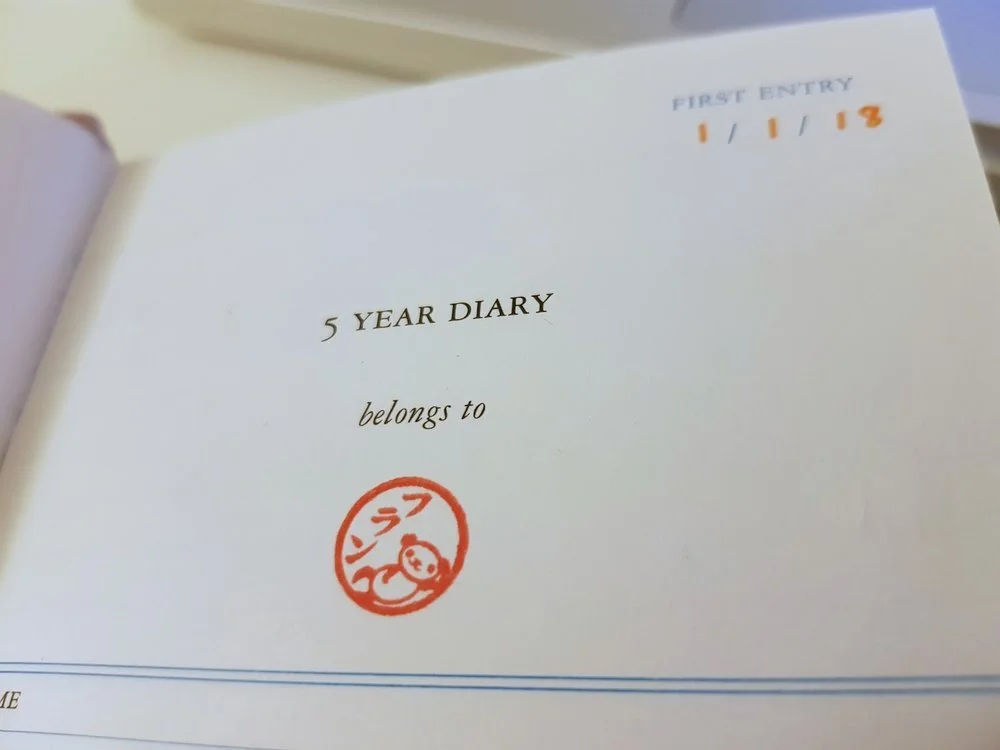
This year, I'm going to read some Japanese fiction every day, and keep a note in my 5-year diary when I've done it.
(16 days in, this is going pretty well.)

4) go to more teaching events
This year, I'm planning to go to more Japanese teaching and education-related events in London.
I went to a couple recently - a Japanese grammar teaching workshop at SOAS, and a bunch of seminars at the Language Show London.
I found it super helpful to reflect on my teaching practice and discuss ideas with other teachers and linguists.

I definitely want to go to more events like this in 2018.
...and it's a good excuse to go to London for the day too.
5) track these goals
Waiting until the end of the year to see how your goals are going doesn't really work.
In 2017, I actually completely forgot about one of my resolutions (to watch more drama in class). I'm going to avoid that this time by pinning them above my desk.

I'd love to know what New Year's Resolutions you made. Let me know in the comments!

How did I do? A look back at 2017's goals
It's no use just making goals. You need to assess them.
How did I do with last year's New Year's Resolutions? Let's find out.
I scored myself a pass or fail for each one...

It's no use just making goals. You need to assess them.
How did I do with last year's New Year's Resolutions? Let's find out.
I scored myself a pass or fail for each one...
2017's goals were:
1. Blog more
I published 26 blog posts in 2017, up from 11 in 2016.
That's not the one a week I planned (it's literally half that!) but I'm still pretty happy.
I was helped along the way by an adorable twitter bot created by my student @EliteFreq which tweeted at me when I didn't blog that week:
@stepupjapanese What am I meant to read today?! You've not posted a blog post! 😱 (❤️🤖) — David Sharp (@EliteFreq) August 25, 2017
@stepupjapanese Cats in exchange for blog posts? 🐈 (❤️🤖) — David Sharp (@EliteFreq) September 22, 2017
This was genuinely very motivating.
Conclusion: PASS.
Tell your friends your goals, so they can support you along the way.
2. Finish some books
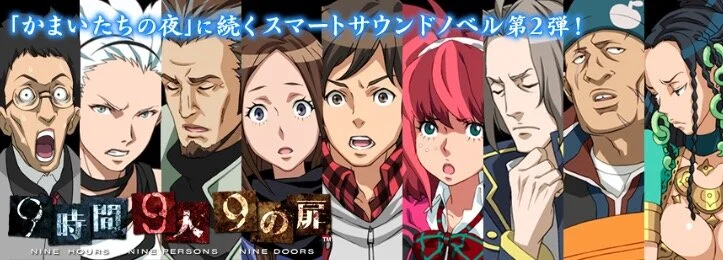
My plan was to read more fiction and to actually finish a book instead of getting excited and moving on to the next one. This didn't exactly go to plan. However, I reckon I read Japanese news every single day in 2017. I'm pretty proud of that. I also completed Zero Escape Nine Hours, Nine Persons, Nine Doors, and two (nearly three) Ace Attorney games. Visual novels are reading too...
Conclusion: FAIL…but maybe that's fine
3. Watch more drama with my students
This goal didn't come to fruition either. I was on the lookout for things to watch but never found anything "just right".
I planned to use Terrace House (Netflix's Japanese reality TV show - think Big Brother circa 2003), but the logistics of showing Netflix in class got the better of me...
We did watch some Japanese TV ads in class though. That was a lot of fun.
Conclusion: もうちょっと! (KEEP TRYING!)
4. Have more parties
From Origami Night, to the Summer Barbecue, to the end-of-year Christmas Party, this year has been really busy. Good busy!
We definitely had more parties and attended more events this year. Onwards and upwards!
Conclusion: PASS

And in case you missed it, here's a link to my round-up of 2017, featuring lots of event photos.
5. Be reflective
I think I have actually spent less time reflecting in 2017 than in previous years, and more time actively doing things. This is probably a good thing.
Conclusion: いいじゃないですか? (That's ok, isn't it?)
How did you get on with your New Year's resolutions in 2017?
And have you made this year's yet? I'm still whittling down my list...

New Year's Resolutions 2017 - 新年の抱負
明けましておめでとうございます! Happy New Year!
新年の抱負はありますか。 Have you made any New Year's Resolutions?
My good friend Karli of designosaur (the brilliant people who make all those dinosaur necklaces I wear to class) writes a new year's post every year, and I always find it super inspiring. I don't always make resolutions, but this year I have loads and I'd like to share some of them with you!
明けましておめでとうございます!
Happy New Year!
新年の抱負はありますか。
Have you made any New Year's Resolutions?
My good friend Karli of designosaur (the brilliant people who make all those dinosaur necklaces I wear to class) writes a new year's post every year, and I always find it super inspiring. I don't always make resolutions, but this year I have loads and I'd like to share some of them with you!
1. blog more
This one should be easy. I like writing this blog, but it's always bottom of my to-do list! Karli's suggestion was to make a regular schedule and stick to it, so I'll try that.
2. finish some books
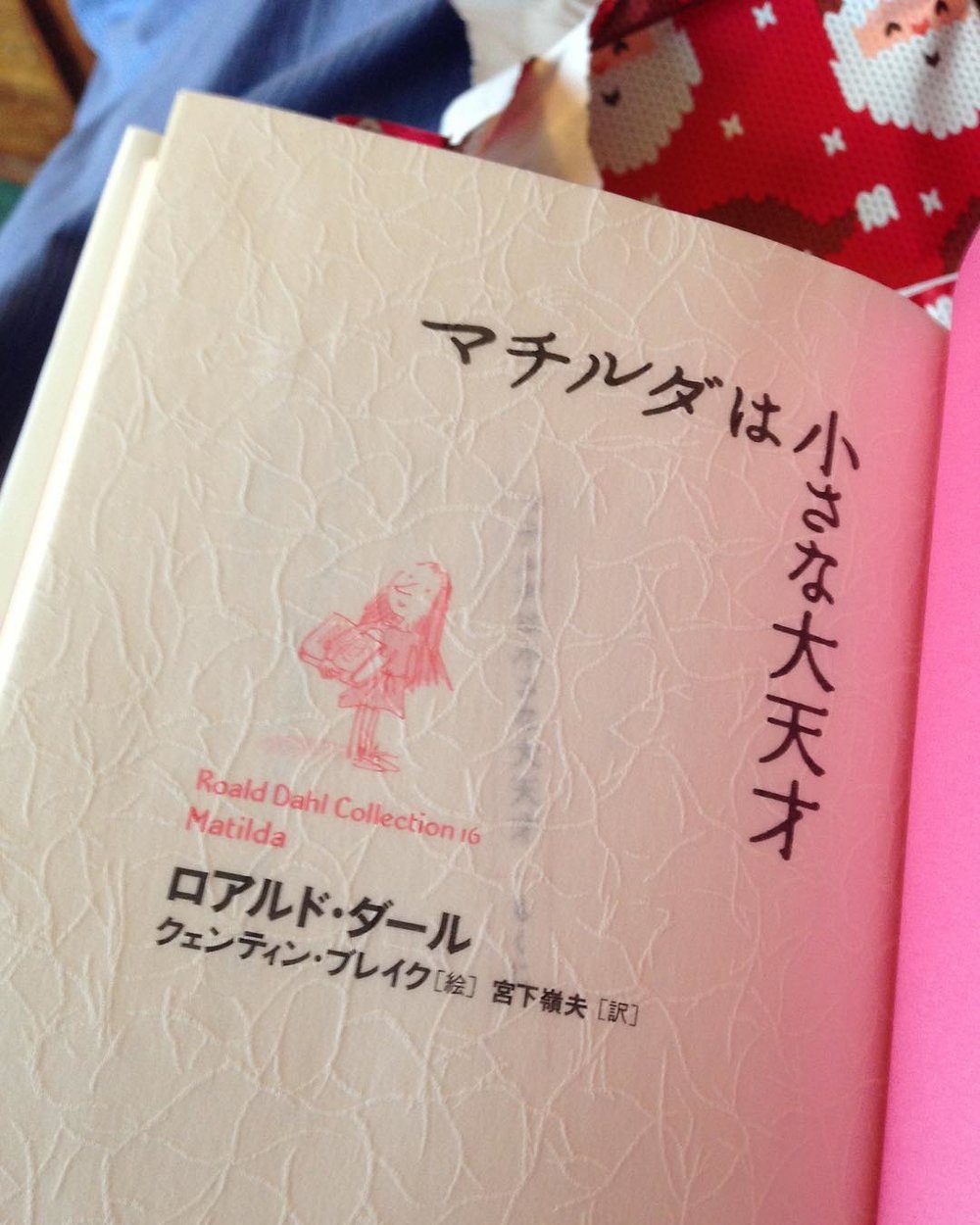
I often tell people that I read a lot of Japanese books, but actually what I do is start reading a lot of Japanese books. Then find a new one, get distracted and start the new one. That's good for variety, but not very satisfying. I'm going to try and read one book at a time (currently reading マチルダは小さな大天才) and not start any new books until I finish!
3. watch more drama...with my students
I love J-drama and it's a great way to listen to everyday spoken Japanese - especially if the programme is centred around a family or group of friends. This year I'm hoping to use some drama clips in class. I haven't quite worked out the details yet but I think it'll be a lot of fun.
I'm currently watching Beautiful Rain (ビューティフルレイン) which is adorable and very tear-jerky. Have you seen it?
4. have more parties
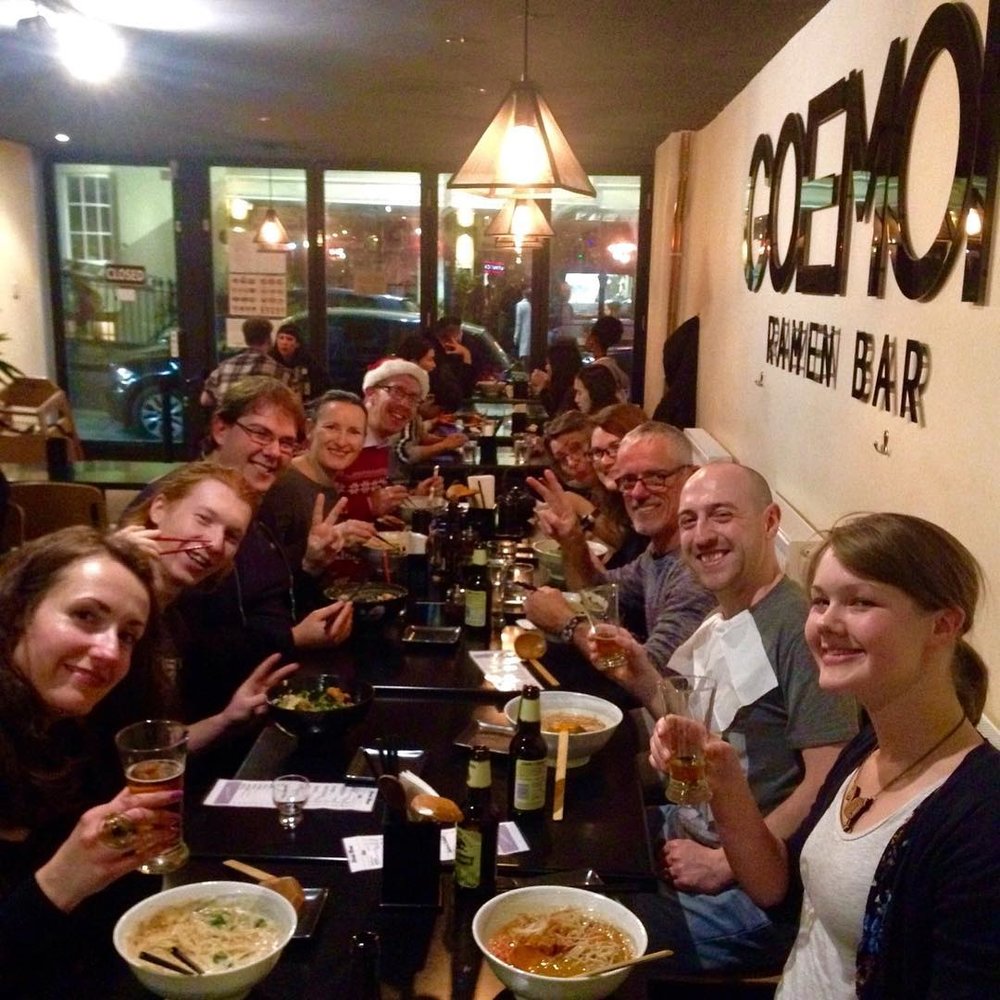
We had a great time at the first annual Step Up Japanese Christmas Party, and one of my goals for 2017 is to have more school events like this. I've got a little list in mind, but if you have a suggestion please let me know!
5. be reflective
Some days I skip home from class because everything went swimmingly. Other times I'm left thinking how I could have explained something better / given you more chances to speak Japanese / had a good answer to your question on the spot instead of telling you I'll look it up.
My point is, it's good to be reflective - and not just because you won't get knocked off your bike. I really, really want to keep improving and bring you bigger and better things in 2017!
Have you made any New Year's resolutions? I'd love to know what yours are! 今年もよろしくお願いします〜













Like many people in the UK, I studied French in school. I liked French. I thought it was really fun to speak another language, to talk with people, and to try and listen to what was going on in a new country. (Still do!)
When I was 14 we went on a school exchange to the city of Reims, in northeastern France. I was paired with a boy, which I’m sure some 14-year-olds would find very exciting but which I found unbearably awkward. He was very sweet and we completely ignored each other.
That was nearly 20 years ago, and I didn’t learn or use any more French until, at some point in lockdown, I decided on a whim to take some one-to-one lessons with online teachers. Here are some things I learned about French, about language learning, and about myself.