
Welcome to the Step Up Japanese blog archive!
Although I’m not currently adding new posts to the blog, you’ll find plenty of Japanese learning tips, study advice, and resources to explore here.
Browse the blog index to view a complete list of posts.
For the latest news, course updates, and Japanese learning tips from Step Up Japanese, sign up for my newsletter.
Search this blog:

More Ways of Counting in Japanese with "Ippon Demo Ninjin"
My student shared the funny song "Ippon Demo Ninjin" with us recently.
It's pretty pun-tastic, and very catchy.
It's also a good way to learn and practice some more counters (little words we put on the end of numbers in Japanese, depending on what's being counted).
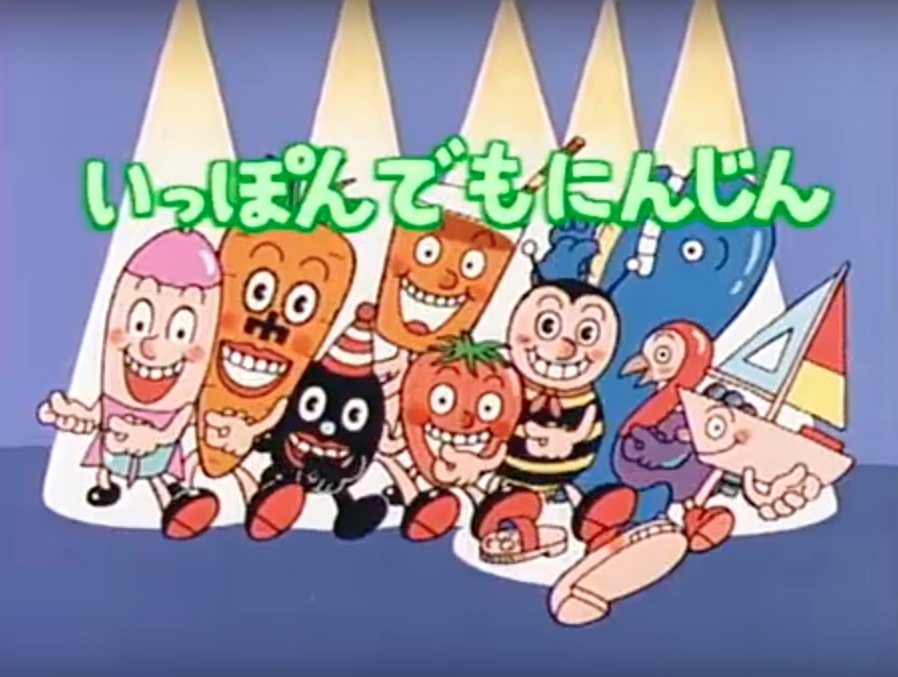
My student shared the funny song "Ippon Demo Ninjin" with us recently.
It's pretty pun-tastic, and very catchy.
It's also a good way to learn and practice some more counters (little words we put on the end of numbers in Japanese, depending on what's being counted).
(Part 1)
1! いっぽん でも にんじん Ichi! Ippon demo ninjin
2! にそく でも サンダル Ni! Nisoku demo sandaru
3! さんそう でも ヨット San! Sansou demo yotto
4! よつぶ でも ごましお Yon! Yotsubu demo gomashio
5! ごだい でも ロケット Go! Godai demo roketto
6! ろくわ でも しちめんちょう Roku! Rokuwa demo shichimencho
7! しちひき でも はち Shichi! Shichihiki demo hachi
8! はっとう でも くじら Hachi! Hattou demo kujira
9! きゅうはい でも ジュース Kyuu! Kyuuhai demo juusu
10! じゅっこ でも いちご Juu! Jukko demo ichigo
いちご、 にんじん、 サンダル、 ヨット、 ごましお、 ロケット、しちめんちょう 、はち、くじら、ジュース
Ichigo, ninjin, sandaru, yotto, gomashio, roketto, shichimencho, hachi, kujira, juusu
Strawberry, carrot, sandal, yacht, sesame and salt, rocket, turkey, bee, whale, juice
(Dance break)
(Repeat Part 1)
いっぽん、 にそく、 さんそう、 よつぶ、 ごだい、ろくわ、しちひき、はっとう、きゅうはい、 じゅっこ!
Ippon, nisoku, sansou, yotsubu, godai, rokuwa, shikihiki, hattou, kyuuhai, jukko!
One long thin thing, two shoes, three boats, four small round things, five vehicles, six birds, seven small animals, eight large animals, nine cups, ten small things!

The beginning of ninjin (carrot) sounds like "ni" (two) but there's only one carrot.
And the beginning of sandaru (sandles) sounds like "san" (three) but...there are only two sandals!
We could translate いっぽん でも にんじん Ippon demo ninjin, therefore, as:
"It's only one, but it's a carrot."
or
"Even if there's only one, a carrot is ninjin."
(Trust me, it sounds better in Japanese.)
Anyway, listen again and try and sing along.
I haven't translated the whole thing for you, just bits. See if you can work the rest of it out!
First published Nov 2017. Updated August 2021.

The One Million Meanings of Yoroshiku
So, you’ve learned different ways to say "Nice to meet you!" in Japanese. One way to say “nice to meet you” is “yoroshiku onegai shimasu”.
But yoroshiku onegai shimasu isn't just for the first time you meet someone. It has a whole host of different uses.
Let's look at the main different meanings of this magical, multipurpose Japanese word.
1. Yoroshiku means "Please!"…
So, you’ve learned different ways to say "Nice to meet you!" in Japanese. One way to say “nice to meet you” is “yoroshiku onegai shimasu”.
But yoroshiku onegai shimasu isn't just for the first time you meet someone. It has a whole host of different uses.
Let's look at the main different meanings of this magical, multipurpose Japanese word.
1. Yoroshiku means "Please!"
Yoroshiku, as we learned before, can be used when meeting new people, and means "please be kind to me", or "please look favourably upon me":
初めまして。フランです。よろしくお願いします。
"Hajimemashite. Furan desu. Yoroshiku onegaishimasu."
Nice to meet you. I'm Fran. Please look favourably upon me!
2. Yoroshiku means "Thank you!"
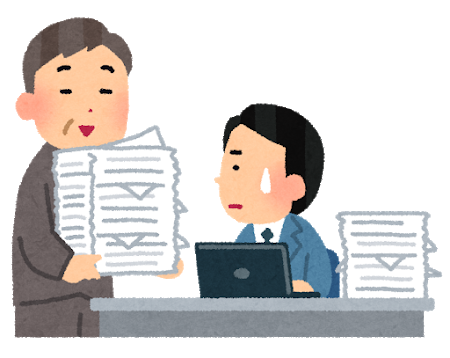
As well as please, yoroshiku can mean thank you. Specifically, it can often mean “thank you in advance”. Said when giving someone work to do:
とじまり、よろしくね。
Tojimari, yoroshiku ne.
"I'll leave you to lock up. Thanks."
娘をよろしくお願いします。
Musume o yoroshiku onegaishimasu.
"Thanks in advance for taking care of my daughter."
Shop “Yoroshiku ne” T-shirts:

3. Yoroshiku means "Hi!"
This is one of my favourites. Yoroshiku can mean "regards", like "send my regards to so-and-so", or "say hi to so-and-so", or even "send my love to so-and-so":
お父さんによろしくお伝えください。
O-tou-san ni yoroshiku o tsutae kudasai.
Please send my best regards to your father.
お姉さんによろしくね。
O-nee-san ni yoroshiku ne.
Say hi to your sister for me.
What's your favourite use of yoroshiku? Did I miss any out? Let me know...yoroshiku ne!
Tuesdays, 12:00pm (UK time) | Online Group Course
Starts 15th Sept 2026 | 36 weeks
Who this course is for
This course is for true beginners or early beginners who already know a little Japanese (e.g. ~10-20 hiragana characters) and want to build a solid foundation.
If you are starting completely from zero, I recommend a few 1:1 lessons before joining.
You will already be able to:
Recognise a small number of hiragana characters (or are beginning to learn them)
Feel comfortable learning slowly and step-by-step
In this course you will learn to:
Introduce yourself and ask simple questions
Talk about family, friends, likes and dislikes
Order food and drinks in a restaurant
Ask and answer simple questions about places you are staying
Talk about where people and things are located
Build confidence reading hiragana and begin katakana
Start recognising a small number of common kanji
The focus is on practical, everyday Japanese for absolute communication basics.
Course details
Duration: 36 weeks (3 x 12-week terms)
Day/time: Tuesdays, 12pm (UK time), 55-minute lessons
Textbook: Irodori: Japanese for Life in Japan - Starter (starting from Lesson 3, free online)
Not sure if this is right for you?
Book a free 30-minute Zoom consultation or email me for advice.
Get my newsletter:
Updated 10th August 2021

Umbrellas Lost And Found - The Hundred Yen Shop
Did you know Japan has the most umbrellas per person, of any country in the world? For every person in Japan, there are 3.3 umbrellas.
At least three of them are mine, left outside shops and restaurants…
In 2011, I had just moved to Japan and I moved into my new flat on the outskirts of Nagoya city. At the weekends I'd head to Daiso, the 100-yen shop, to buy bits and pieces for my new flat.
One day, I left my umbrella in the stand outside the 100-yen shop. It was quite a nice umbrella - a neat little folding one, and it had been a present from my brother, so I went back to the shop the next day.
My little blue umbrella wasn't in the rack, so I asked at the till.

Did you know Japan has the most umbrellas per person, of any country in the world? For every person in Japan, there are 3.3 umbrellas.
At least three of them are mine, left outside shops and restaurants…
In 2011, I had just moved to Japan and I moved into my new flat on the outskirts of Nagoya city. At the weekends I'd head to Daiso, the 100-yen shop, to buy bits and pieces for my new flat.
One day, I left my umbrella in the stand outside the 100-yen shop. It was quite a nice umbrella - a neat little folding one, and it had been a present from my brother, so I went back to the shop the next day.
My little blue umbrella wasn't in the rack, so I asked at the till.
My Japanese was quite limited then, but I knew how to say 傘を忘れました (kasa o wasuremashita, "I left my umbrella").
The shop assistant looked a bit bemused, but wanted to help me, so she asked me what the umbrella looked like.
I told her the umbrella was 小さい (chiisai, “small”). I gestured to show it was very small.
She asked me:
ああ、折りたたみですか。
Aa, oritatami desu ka?
Oh, is it "oritatami"?
I didn't know what "oritatami" meant, and I didn't have a dictionary with me (it was 2011, and I didn’t own a smartphone), so I repeated that it was small.
The shop assistant bustled about, murmuring:
"Oritatami, oritatami, oritatami..."
She went off to look somewhere else, and then came back and apologised profusely. My umbrella was gone.
I walked home. It started to rain.
At home, I pulled out my romaji dictionary. And that was the day I learned that “oritatami” means "folding", as in, a folding umbrella.
! I'll never forget that word, I thought.
I lost my little umbrella, but I gained a new word in my vocabulary. You need a lot more than 3.3 words per person, after all!
How Do You Say "Nice to Meet You" in Japanese?
Hurray! You've met another Japanese-speaking person. Time to introduce yourself.
But how do you say "It's really nice to meet you" in Japanese? The first phrase you'll want is:
はじめまして。Hajimemashite. "Nice to meet you"
Hajimemashite literally means "we are meeting for the first time". So you can only use it the first time you meet someone.

Hurray! You've met another Japanese-speaking person. Time to introduce yourself.
But how do you say "Pleased to meet you" in Japanese?
The first phrase you'll want is:
はじめまして。
Hajimemashite.
"Nice to meet you"
Hajimemashite (almost literally) means "we are meeting for the first time". So you can only use it the first time you meet someone.
The other super-useful phrase is:
よろしくおねがいします。
Yoroshiku onegai shimasu.
"Please be kind to me."
Yoroshiku onegai shimasu is hard to translate, but means something like "please be kind to me".
It means that you are looking forward to having a good relationship with someone.
Shop “Nice To Meet You” Japanese necklaces (Step Up Japanese x designosaur):

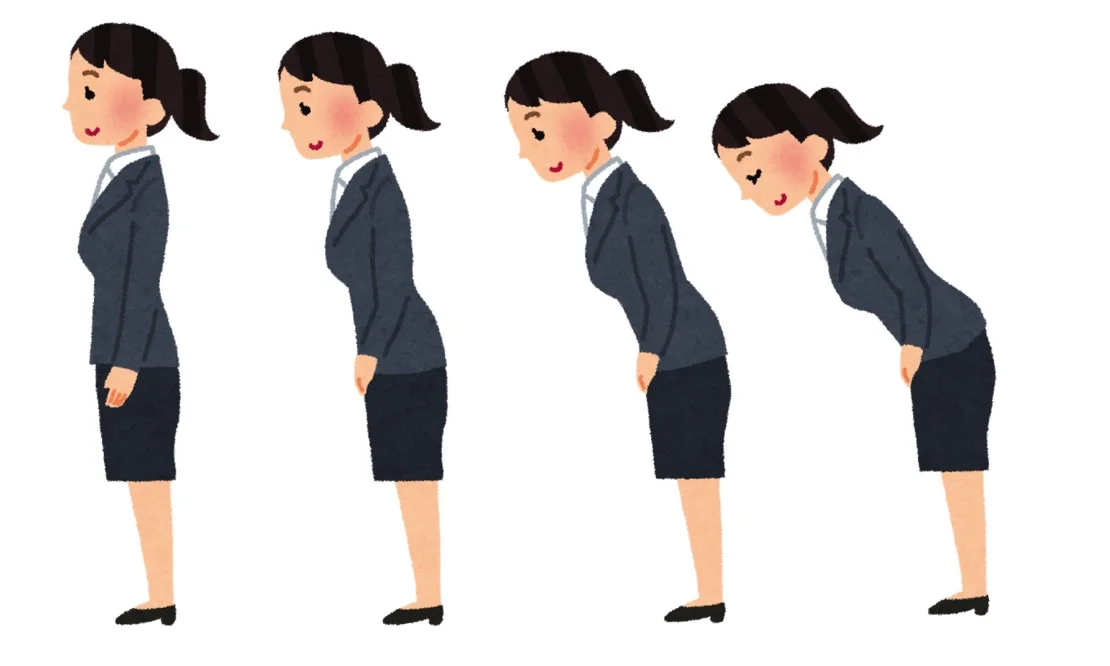
Make it more polite
Add douzo to make your greeting more polite:
どうぞよろしくおねがいします。
Douzo yoroshiku onegai shimasu.
"Nice to meet you" (polite & a bit formal)
You could also say:
お会いできてうれしいです。
O-ai dekite ureshii desu.
"I'm happy to meet you." (more polite & formal)
or even:
お会いできて光栄です
O-ai dekite kouei desu.
"I'm honoured to meet you." (even more polite & formal)
Keep it casual
If you don't feel like being so polite, you could also say:
どうぞよろしく。
Douzo yoroshiku.
"Nice to meet you" (a bit more casual)
よろしくね。
Yoroshiku ne.
"Nice to meet you" (very casual)
It's good to be nice-mannered when you meet new people though, right?
"Nice to meet you too!"
Last but not least, when someone says yoroshiku onegaishimasu, you can add the feeling of "me too!" by replying with kochira koso ("me too!"):
こちらこそ宜しくお願いします。
Kochira koso yoroshiku onegaishimasu.
"No, I'm pleased to meet you." / "The pleasure is mine."
Now, go and find someone new to speak to, and tell them how pleased you are to meet them.
Yoroshiku ne!
Shop “Nice To Meet You” Japanese necklaces (Step Up Japanese x designosaur):

Updated 26th Oct 2020

Why Does Everybody Forget Katakana?
I'll let you into a secret. I used to hate katakana.
Students of Japanese tend to start with its two phonetic alphabets. We start with hiragana, the loopy, flowing letters that make up all the sounds of Japanese.
Then we move on to katakana - all the same sounds, but in angular blocky font.
Hiragana seems fairly straightforward, I think. And when you start learning Japanese everything you read is written in hiragana, so by reading you constantly reinforce and remember.
Katakana? Not so much.

I'll let you into a secret. I used to hate katakana.
Students of Japanese tend to start with its two phonetic alphabets. We start with hiragana, the loopy, flowing letters that make up all the sounds of Japanese.
Then we move on to katakana - all the same sounds, but in angular blocky font.
Hiragana seems fairly straightforward, I think. And when you start learning Japanese everything you read is written in hiragana, so by reading you constantly reinforce and remember.
Katakana? Not so much.
The katakana "alphabet" is used extensively on signs in Japan - if you're looking for カラオケ (karaoke) or ラーメン (ramen noodles) you'll need katakana.

But if you're outside Japan, then beyond the letters in foreign names, you probably don't get a lot of exposure to katakana.
I think that's why a lot of beginning students really struggle to remember katakana.
Here are a couple of suggestions:
1) Use mnemonics
I learned katakana using mnemonics. For example, I still think katakana ウ (u) and ワ (wa) look super similar - I remember that ウ has a dash on the top, just like hiragana う (u) .
2) Practice, practice, practice
I'm not a huge fan of having you simply copy letters over and over again, but there is something to be said for "writing things out". By writing letters down, you activate muscle memory, which helps you remember. So get writing katakana!
3) Start learning kanji
It might feel like running before you can walk, but starting to read and write kanji (Chinese characters) before your katakana is completely perfect can be a good option.
Kanji textbooks have the Chinese readings of the characters in katakana, so learning kanji is also really good katakana practice.
And maybe, just maybe, you'll turn into a katakana lover?
Updated 23rd Oct 2020

How to Learn Hiragana and Katakana using Mnemonics
I finally got around to going through the mid-course feedback from my students and drawing up plans to incorporate some of what you asked for into the rest of the course. Several learners mentioned the importance of learning the kana early on.
Learning to read Japanese can be a daunting task. The Japanese language has three distinct "alphabets" (four if you count romaji!) and learning kanji is a task that takes years. You can learn the kana (hiragana and katakana) pretty quickly, though, if you use the most efficient way to memorise them - mnemonics.
Hi! This article was first published in April 2017. I updated it recently (April 2020) and fixed some broken links.
This week I finally got around to going through the mid-course feedback from my students and drawing up plans to incorporate some of what you asked for into the rest of the course.
Several learners mentioned the importance of learning the kana early on.
Learning to read Japanese can be a daunting task. The Japanese language has three distinct "alphabets" (four if you count romaji!) and learning kanji is a task that takes years.
You can learn the kana (hiragana and katakana) pretty quickly, though, if you use the most efficient way to memorise them - mnemonics.
Hiragana and Katakana are the "building blocks" of the Japanese written language. Students in my beginner Japanese classes mostly start with the romaji edition of 'Japanese For Busy People'*, because my priority is to get you speaking from day one, and to spend class time on speaking as much as possible. Reading and writing is mostly set as homework.
But if you want to learn to read Japanese, you definitely need to start by learning hiragana - the 46 characters that make up the first basic Japanese “alphabet”. But how to remember them?
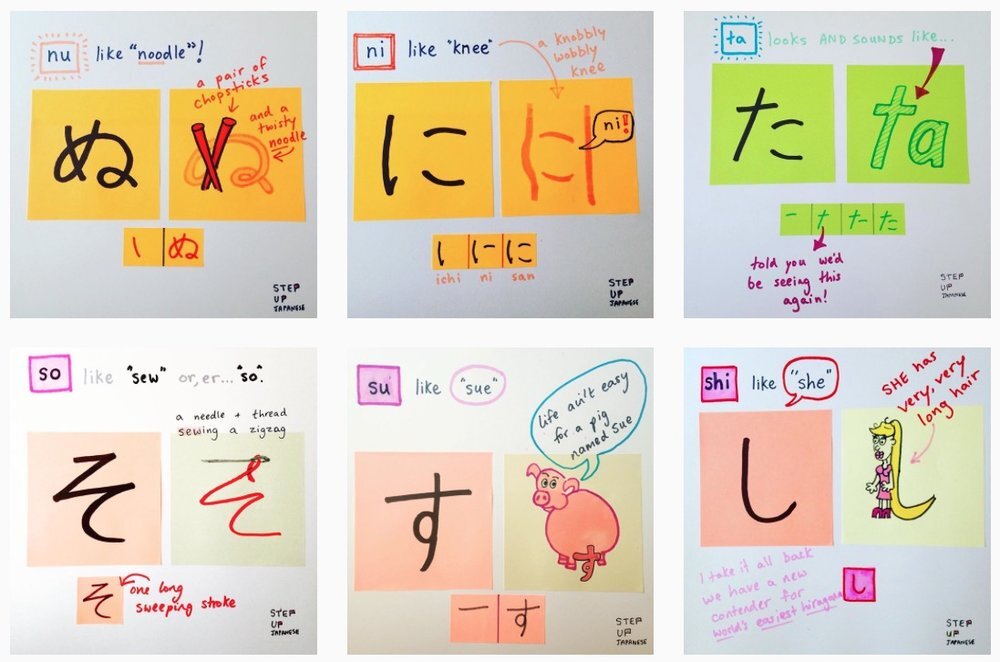
The best, quickest, most fun method is to associate each character with a picture that it (clearly or vaguely) looks like, ideally also using the sound of the letter.
Hiragana and katakana are pretty simple, so associating each character with a picture is super easy.
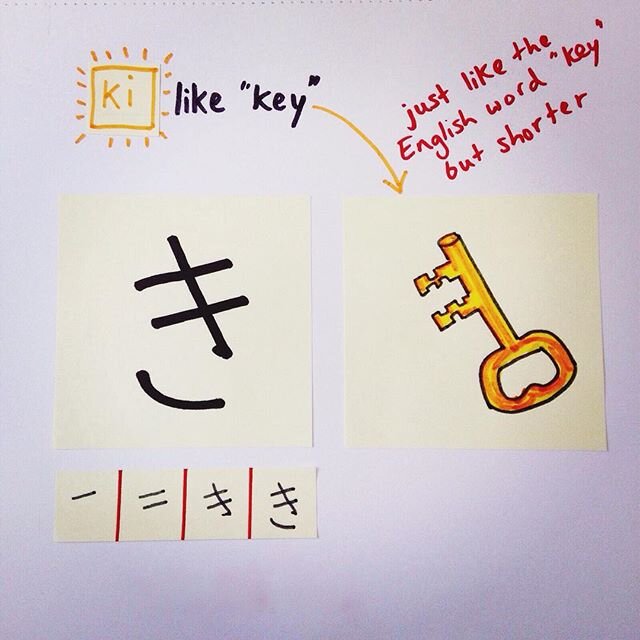
Here's hiragana き (ki), which we can imagine is a picture of a KEY. My image of akey is an old-fashioned one. Yours might be modern and spiky. Or it might have wings on it and be flying about getting chased by Harry Potter on a broomstick.
The point is to think of a strong visual image that makes the picture of the key stick in your mind:
Of course, you need to learn to read words and sentences too. So as well as learning each letter, you need to practice writing and reading. This where the mnemonic really sinks in.
Memorisation doesn't help you remember. What helps you remember is active recall.
Let me give you an example.
You're reading a sentence and come across the word きのこ (kinoko, mushroom). You're staring at the letter き - "which one was that again?" and struggle a little bit to remember it.
Then you remember - aha! it's the KEY! This is ki.
This process of active recall - pushing a little bit to remember something - is the process that cements the mnemonic in your mind.
For me, one of the great thing about using mnemonics to remember the kana is that when I explain the system to learners, they often tell me that's what they're doing anyway, even if they don't have a name for what they're doing:
"Oh yes, that's how I remember む too - it's a funny cow's face! MOO"
"No, む is a man saying MO-ve!"
I've also found - luckily for me - it doesn't matter seem to matter if the actual picture is rubbish. (You don't even have to draw them, I just did this to help my students out and to share the idea).

What's important is that the picture in your head is super clear.
...and once you finish hiragana, you can do the whole thing again for katakana (the second basic Japanese alphabet):

You can find the whole set of hiragana and katakana mnemonics on instagram with the hashtag #stepupkana - please check it out and let me know what you think.
I'd love to hear what mnemonics you use to help remember the kana - let me know in the comments or add your story to the instagram posts for that character.
*Links with an asterisk * are affiliate links, which means I may earn a small commission, at no extra cost to you, when you click through and buy the book. Thanks for your support!
First published April 2017
Updated 7th April 2020

Plateaus in Language Learning and How to Overcome Them
Do you remember the first conversation you ever had in a foreign language?
The first three years I was learning Japanese I basically studied quite hard for tests and barely opened my mouth. I liked kanji, and what I saw as the oddness of the Japanese language. Three "alphabets"! A million different ways of counting things! I liked hiragana - so pretty! I studied hard and thought my university Japanese exams were easy.
Then, on holiday in China, I met a Japanese woman (at a super-interesting Sino-Japanese cultural exchange club, but that's a story for another time). I tried to speak to her in Japanese. And I couldn't say anything.
Do you remember the first conversation you ever had in a foreign language?
The first three years I was learning Japanese I basically studied quite hard for tests and barely opened my mouth.
I liked kanji, and what I saw as the oddness of the Japanese language. Three "alphabets"! A million different ways of counting things! I liked hiragana - so pretty! I studied hard and thought my university Japanese exams were easy.
Then, on holiday in China, I met a Japanese woman (at a super-interesting Sino-Japanese cultural exchange club, but that's a story for another time). I tried to speak to her in Japanese. And I couldn't say anything.
I told this nice, patient lady that I was studying Japanese and she asked me how long I was staying in China for. I wanted to tell her I was going back to England next Thursday, but instead I said 先週の水曜日に帰ります (senshuu no suiyoubi ni kaerimasu) - "I'll go back last Wednesday."
OOPS.
I think about this day quite a lot because it shows, I think, that although I'd studied lots of Japanese at that point my communicative skills were pretty poor. I considered myself an intermediate learner, but I couldn't quickly recall the word for Wednesday, or the word for last week.
I realised at that point that I hadn't made much real progress in the last two years. The first year I zipped along, memorising kana and walking around my house pointing at things saying "denki, tsukue, tansu" (lamp, desk, chest of drawers) But after that my Japanese had plateaued.
So, I started actively trying to speak - I took small group lessons, engaged in them properly, did the prep work. I wrote down five sentences every day about my day and had my teacher check them. I met up with a Japanese friend regularly and did language exchange - he corrected my grammar and told me when I sounded odd (thanks, Kenichi!)
(Most of this happened in Japan, but like I said, you don't need to live in Japan to learn Japanese.)
And I came out of the plateau. I set myself a concrete goal - to pass the JLPT N3. The JLPT (Japanese Language Proficiency Test) is a standardised test in Japanese, for non-native speakers. N3 is the middle level - intermediate.
Once I’d passed that, I started aiming for N2, the next level up. I had some job interviews in Japanese, a terrifying and fascinating experience.
I wanted to get a job with a Board of Education, and a recruiter told me you needed N1 - the highest level of the JLPT - for that, so I started cramming kanji and obscure words. I was back on the Japanese-learning train.
I didn't pass N1 though, not that time.
And I was bored of English teaching and didn't want to wait to pass the test before I got a job using Japanese - that felt a bit like procrastinating - so I quit my English teaching job and got a job translating wacky entertainment news.
And after six months translating oddball news I passed the test.
That's partly because exams involve a certain amount of luck and it depends what comes up. But I also believe it's because using language to actively do something - working with the language - is a much, much better way of advancing your skills than just "studying" it.
Thanks to translation work, I was out of the plateau again. Hurrah!
When you're in the middle of something - on the road somewhere - it's hard to see your own development.
Progress doesn't move gradually upwards in a straight line. It comes in fits and starts.
Success doesn't look like this:

It looks like this:

And if you feel like you're in a slump at the moment, there are two approaches.
One is to trust that - as long as you're working hard at it - if you keep plugging away, you'll suddenly notice you've jumped up a level without even realising. You're working hard? You got this.
The other approach is to change something. Make a concrete goal. Start something new. Find a new friend to talk to or a classmate to message in Japanese. Talk to the man who owns the noodle shop about Kansai dialect. Write five things you did each day in Japanese. Take the test. Apply for the job. がんばる (gambaru; “try your best”).
Originally posted February 2017
Updated 7th April 2020











Like many people in the UK, I studied French in school. I liked French. I thought it was really fun to speak another language, to talk with people, and to try and listen to what was going on in a new country. (Still do!)
When I was 14 we went on a school exchange to the city of Reims, in northeastern France. I was paired with a boy, which I’m sure some 14-year-olds would find very exciting but which I found unbearably awkward. He was very sweet and we completely ignored each other.
That was nearly 20 years ago, and I didn’t learn or use any more French until, at some point in lockdown, I decided on a whim to take some one-to-one lessons with online teachers. Here are some things I learned about French, about language learning, and about myself.