
Welcome to the Step Up Japanese blog archive!
Although I’m not currently adding new posts to the blog, you’ll find plenty of Japanese learning tips, study advice, and resources to explore here.
Browse the blog index to view a complete list of posts.
For the latest news, course updates, and Japanese learning tips from Step Up Japanese, sign up for my newsletter.
Search this blog:
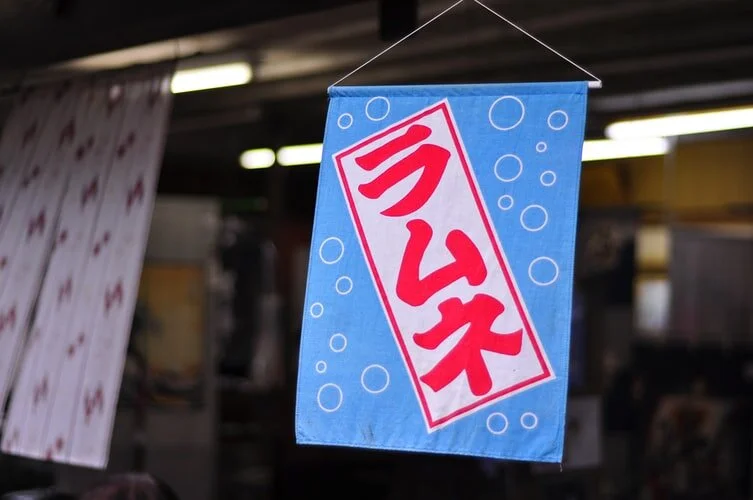
Japanese Loanwords From Languages That Aren't English
Modern Japanese contains a lot of loan words - words that Japanese has “borrowed” from other languages. These words are typically written in the katakana “alphabet”.
Many of these words come from English - but not all.
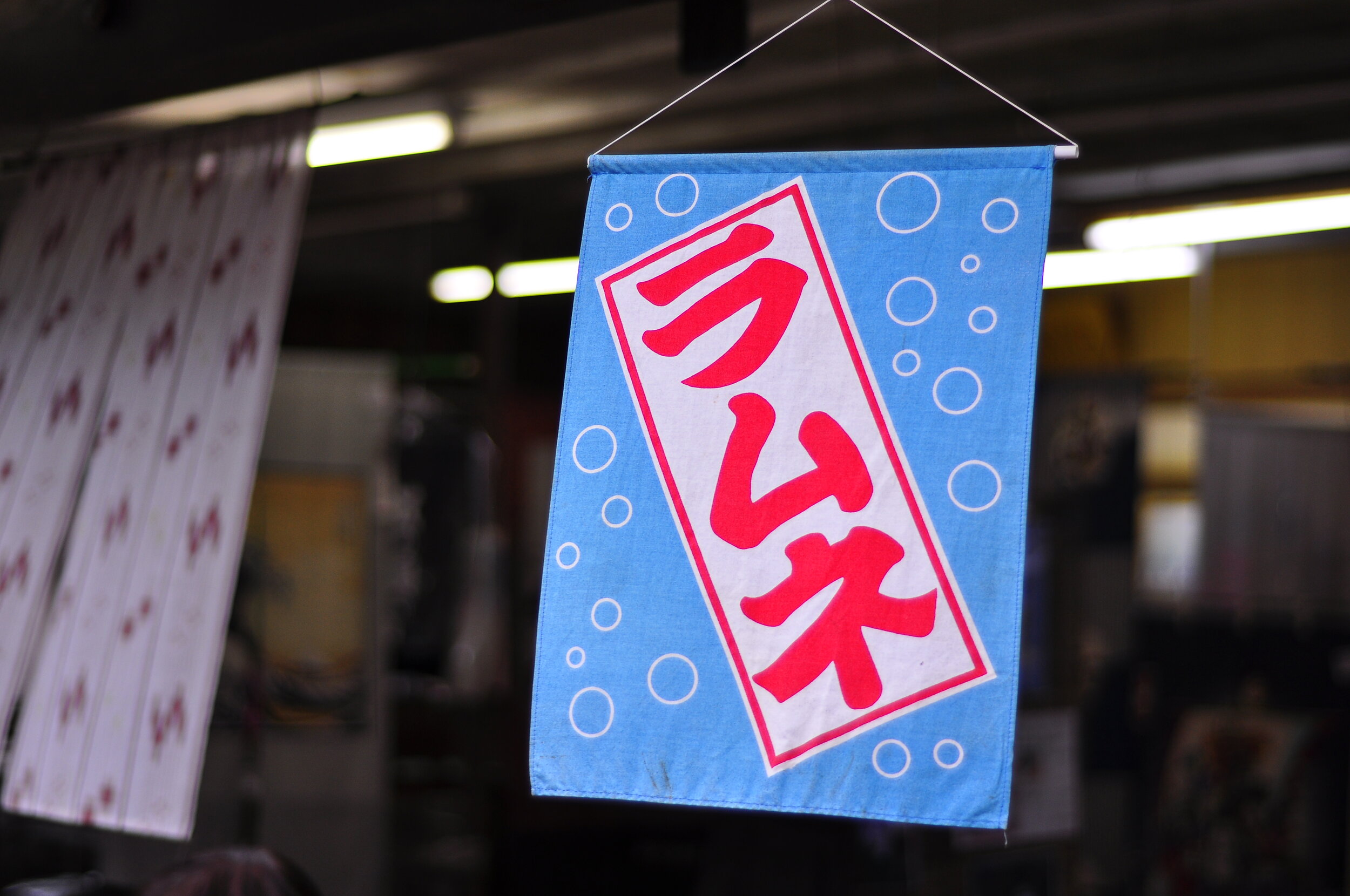
Modern Japanese contains a lot of loan words - words that Japanese has “borrowed” from other languages. These words are typically written in the katakana “alphabet”.
Many of these words come from English - but not all.
So if you’ve been wondering what happened to the “t” sound at the end of the Japanese word resutoran (レストラン, restaurant), it was never there in the first place - because that loanword didn’t come from English. It came from French.
And my students sometimes ask me why the Japanese word for salad is sarada (サラダ), not “sarado”. That’s because sarada comes not from the Engish word “salad”, but from the Portuguese “salada”.
It’s good to know which loanwords didn’t come from English - and it's interesting to know what languages they come from - so you can remember how to pronounce them correctly.
Hopefully this will help you remember that it’s resutoran (not resutoranto!)

Quiz time!
How many of these Japanese loanwords do you know? Can you guess the meaning of any?
Rentogen レントケン
Piero ピエロ
Arubaito アルバイト
Piiman ピーマン
Ruu ルー
Esute エステ
Ikura イクラ
Noruma ノルマ
Karuta カルタ
Sukoppu スコップ
Igirisu イギリス
⇩ HINT: Japan believes in calling a スコップ a スコップ

The Answers:
Rentogen レントケン X-ray (from German)
Piero ピエロ clown (French)
Arubaito アルバイト part time job (German)
Piiman ピーマン peppers [the vegetable] (French)
Run ルー roux sauce [or, more commonly, a block of Japanese curry mix used to make curry sauce] (French)
Esute エステ aesthetic salon i.e. beauty salon (French)
Ikura イクラ salmon roe (Russian)
Noruma ノルマ quota (Russian)
Karuta カルタ Japanese playing cards (Portuguese)
Sukoppu スコップ spade (Dutch; Flemish)
Igirisu イギリス the U.K. (Portuguese)
Pan パン bread (Portuguese)
So, next time you see a katakana word you don't recognise, don't despair - it might not have originated from a language you speak!
First published May 2016
Updated 9th Jan 2020

The Five Best Books for Learning Kanji
When I started teaching Japanese, I thought that beginner classes would be a kanji-free zone. I thought we'd be totally focused on speaking as much as possible, and reading and writing would be a homework-only activity for my students.
But, two things happened:
1) Students sometimes need help in class with reading and writing; and
2) It turns out lots of students are really interested in the Japanese writing system.
Which makes sense to me, as the writing system is kind of what got me interested in Japanese in the first place, too!
Anyway, I have a lot of kanji books. And today, I'd like to share some of them with you! So here are my top five kanji books, for beginners up to advanced.
When I started teaching Japanese, I thought that beginner classes would be a kanji-free zone. I thought we'd be totally focused on speaking as much as possible, and reading and writing would be a homework-only activity for my students.
But, two things happened:
1) Students sometimes need help in class with reading and writing; and
2) It turns out lots of students are really interested in the Japanese writing system.
Which makes sense to me, as the writing system is kind of what got me interested in Japanese in the first place, too!
Anyway, I have a lot of kanji books. And today, I'd like to share some of them with you!
So here are my top five kanji books, for beginners up to advanced.
Links with an asterisk* are affiliate links, which means I may earn a small commission, at no extra cost to you, when you click through and buy the book. Thanks for your support!
1) Kanji Pict-o-Graphix*

If you’re a visual learner, or you enjoy storytelling, you may have learned hiragana and katakana using mnemonics.
But did you know that for a lot of people, mnemonic devices can be a great start to learn kanji, too?
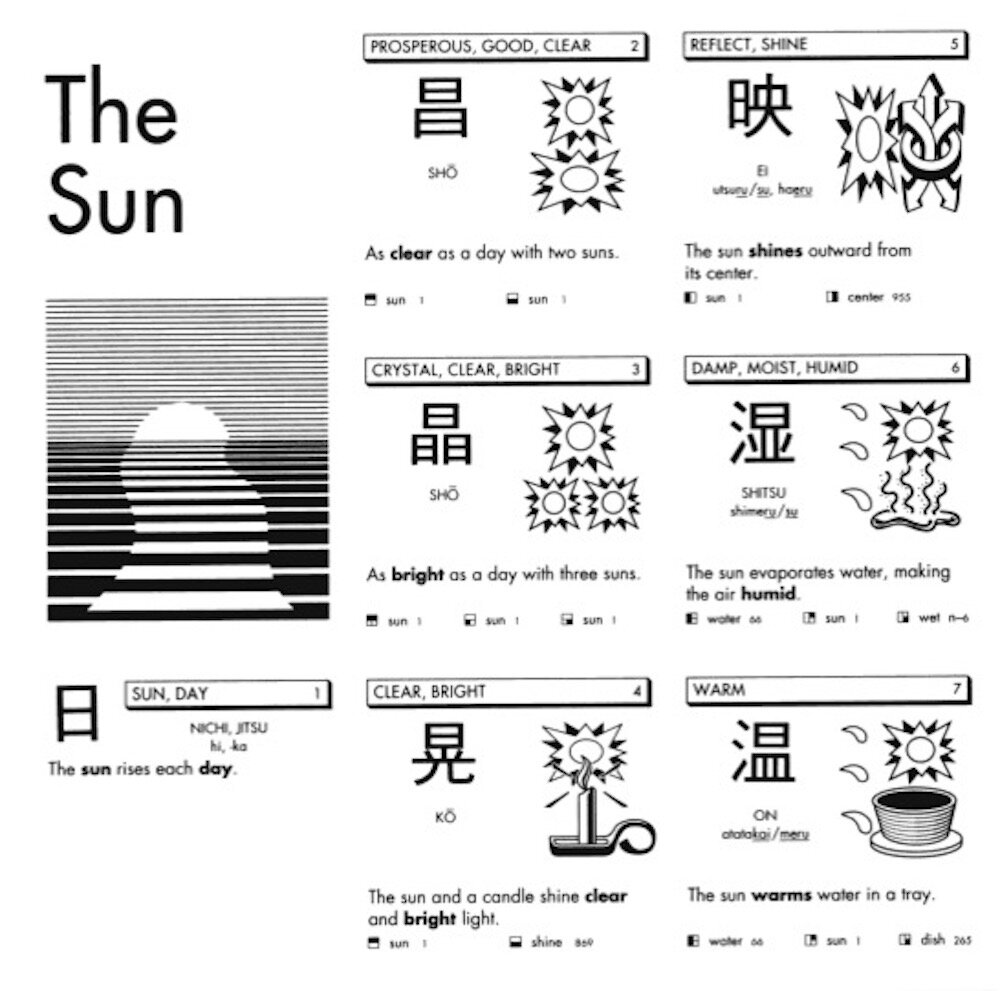
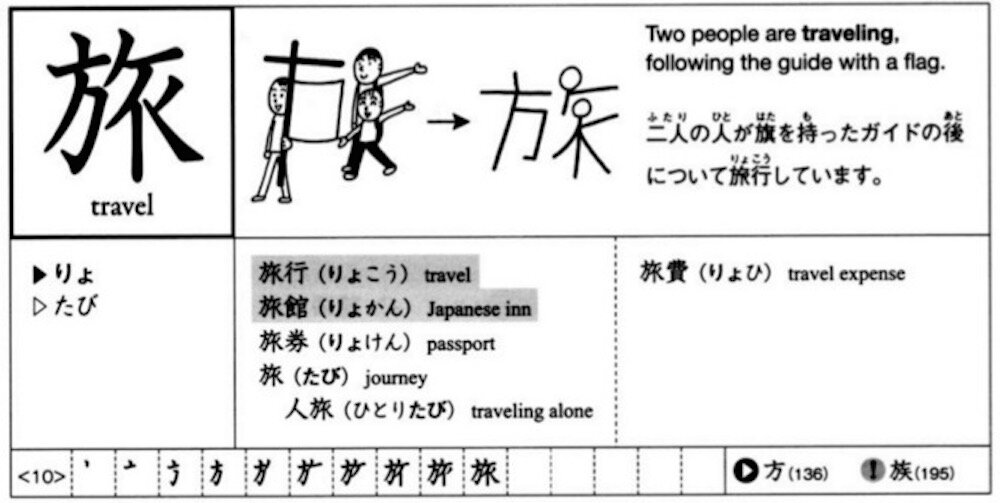
Kanji Pict-o-Graphix* gives you visual hints for remembering common kanji characters.
The book is arranged thematically, so you have a whole page of kanji with one component (like this page of characters containing the kanji for "sun" 日:
Like Kanji Pict-o-Graphix, Kanji Look and Learn* combines visual mnemonics with stories. But whereas Kanji Pict-o-Graphix feels like a fun coffee-table book, this is more of a serious study tool.
As well as stories to help you recognise the shape of kanji characters, you'll also find readings and example vocabulary. If you've ever used the Genki textbooks, you'll notice that the layout of this is similar to the kanji sections at the back of those books - that's because this is an extension to the series called 'Genki Plus'.
There's a Kanji Look and Learn Workbook*, too, which offers practice exercises alongside the main book. I used the Kanji Look and Learn series on my short course Japanese Kanji for Beginners last year, and they were really popular with students.
3) Basic Kanji Book*
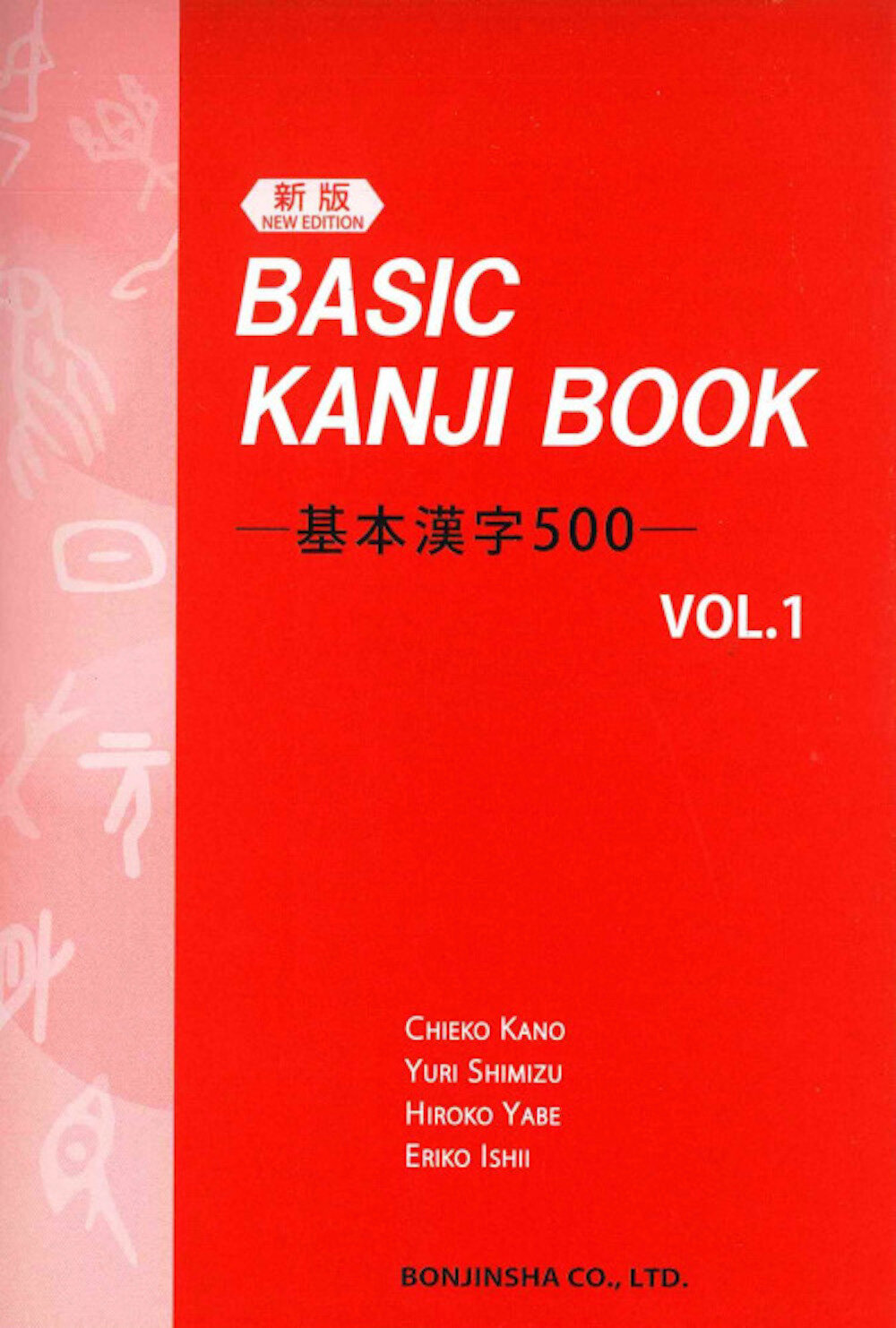
No bells and whistles here - the Basic Kanji Book* is a comprehensive guide to 500 kanji, arranged by theme. There's plenty of reading practice and quizzes throughout.
It's not going to hold your hand for you and you'll need a dictionary (or a good teacher), but if you're serious about getting out of the beginner stages, this is the book for you.
4) Remembering the Kanji*
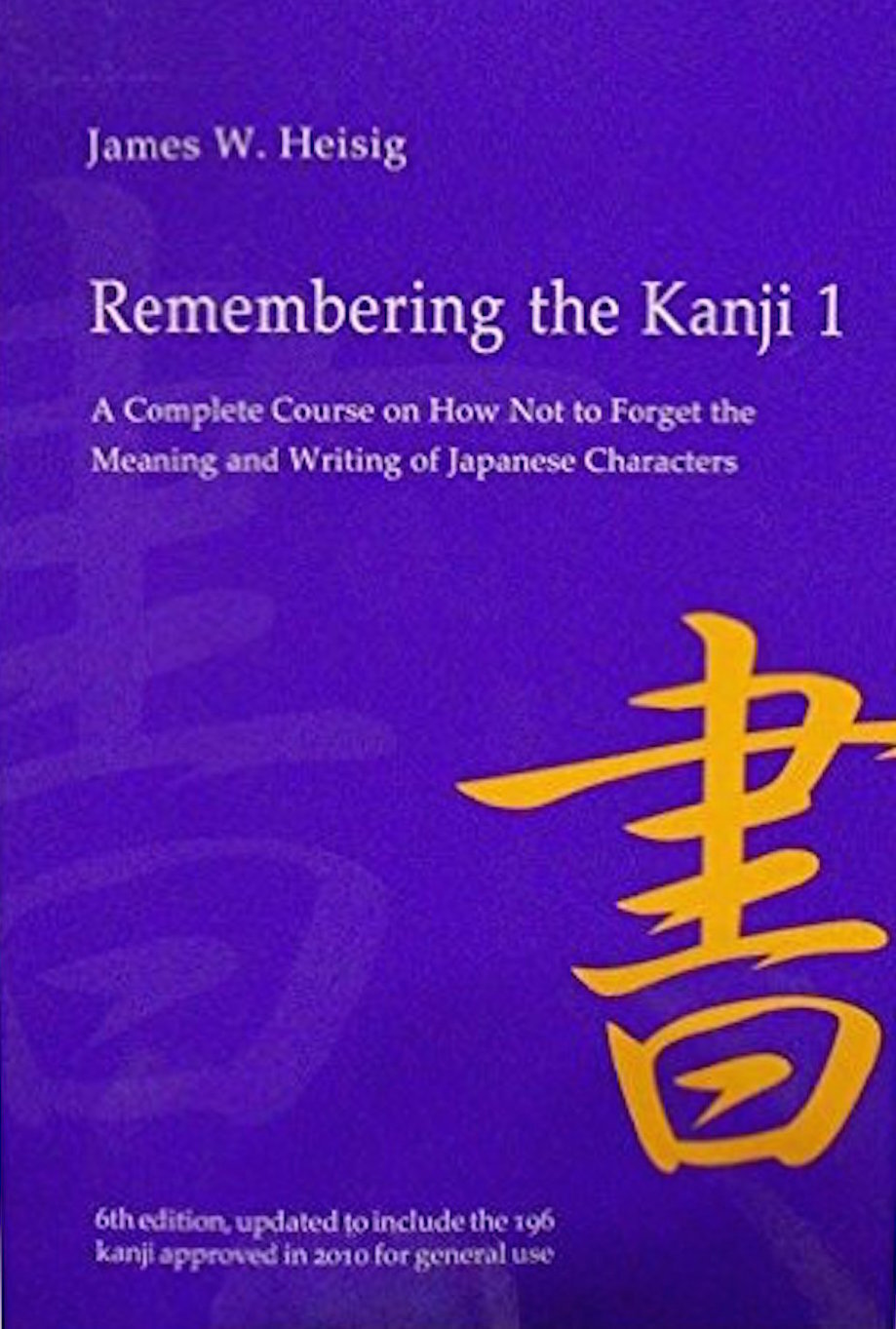
People who've tried the system suggested by James W. Heisig in his Remembering the Kanji series fall into two camps: they either love it, or they think it's totally stupid. This is the first book in the series, and its full title is Remembering the Kanji 1: A Complete Course on How Not To Forget the Meaning and Writing of Japanese Characters*.
You won't find a single drawing or pictographic in Heisig's book. Instead he requires the reader to use their imaginative memory to memorise each character. And - here's the controversial bit - he argues that before learning any kanji readings, you should first learn their meanings using an English keyword.
It's not for everyone...but if you think it might be for you, read the first chapter (and its illuminating introduction) for free here.
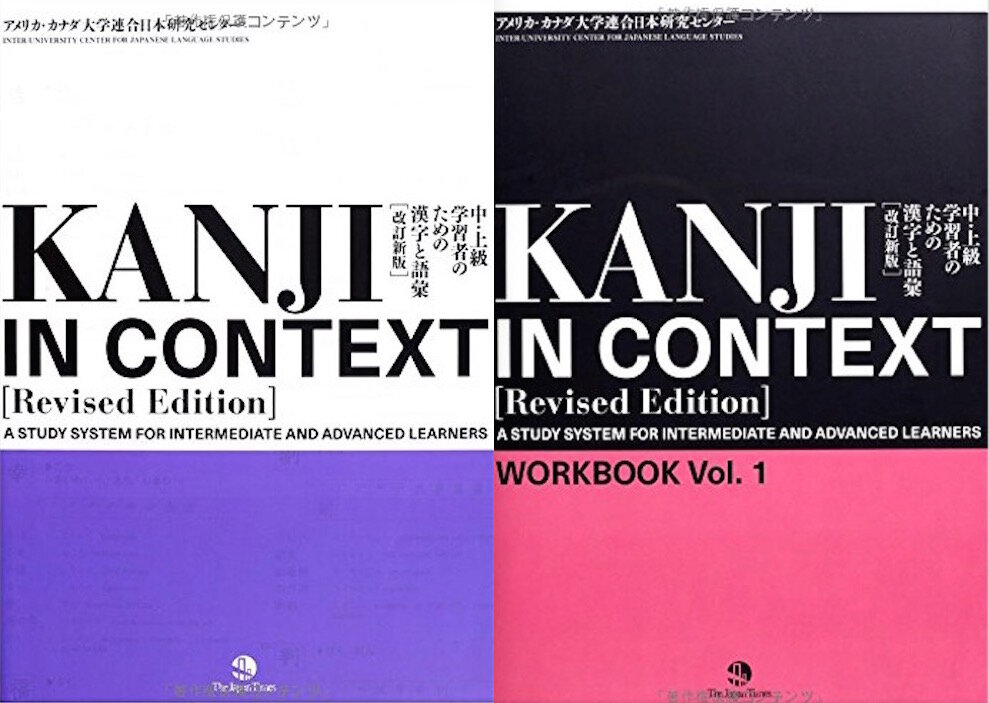
5) Kanji in Context*
When I was studying for the JLPT (Japanese Language Proficiency Test) N1, I came up with a picture in my mind of the kanji practice book I wanted.
I wanted to be given (in hiragana) a vocabulary word I should know, and be tested on my ability to write the kanji from memory.
A couple of years later, I discovered that the book of my dreams already existed. It's called Kanji in Context*, and instead of teaching you kanji in isolation, it presents them in example sentences and phrases - in (you guessed it) context. There’s a fantastic accompanying workbook* too.
So there you have it - my top five kanji books from beginner to advanced! I'd love to know what you think - how do you like to study kanji? And what did I miss?
First published 1 April 2016
Updated 8 January 2020

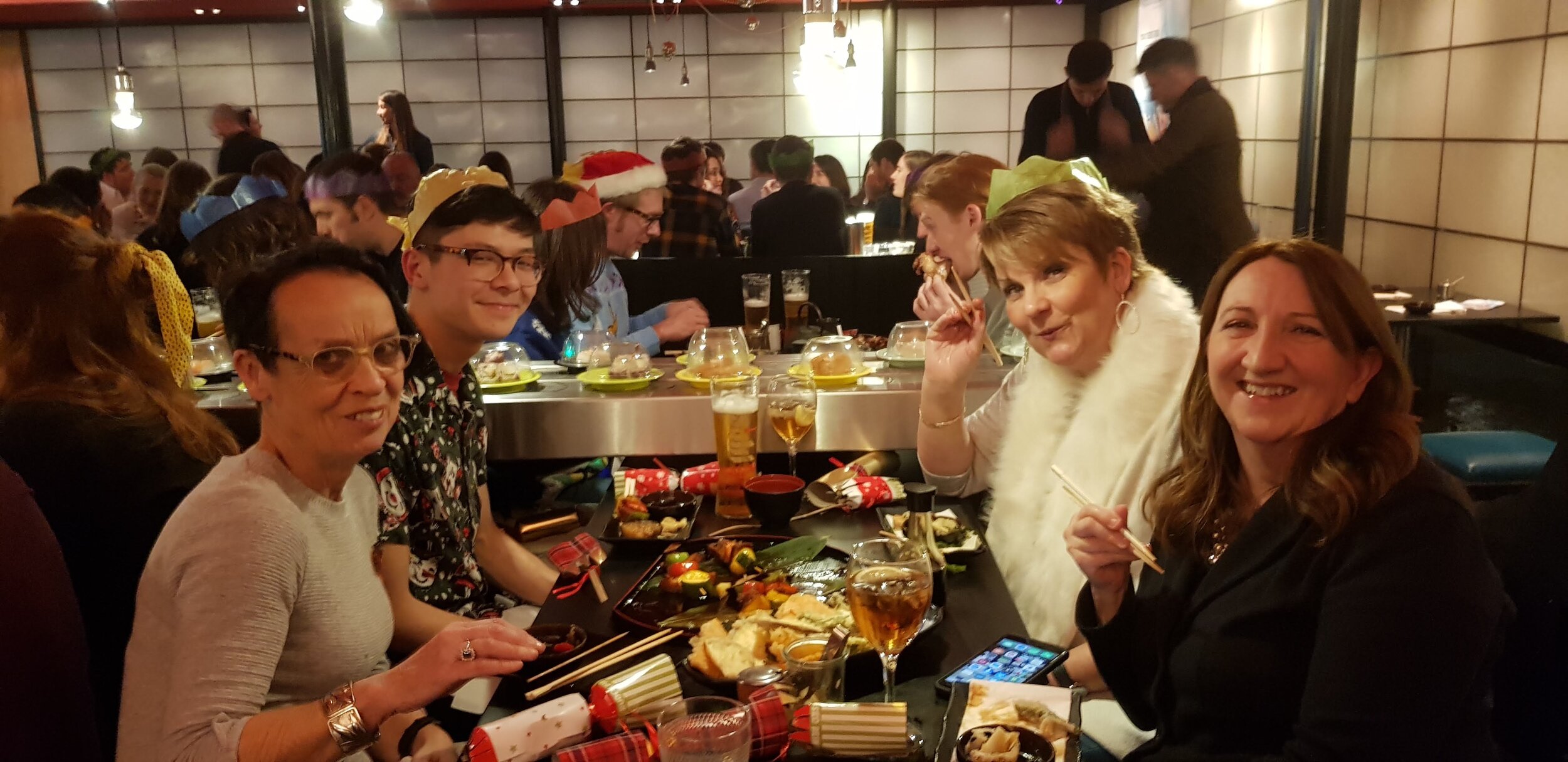
2019 忘年会 (bo-nen-kai) End-of-Year Party!
December in Japan is bounenkai season, when workplaces and social groups gather for end-of-year parties.
忘年会 (bounenkai, end-of-year party) is one of my favourite Japanese words.
忘 means “forget”, 年 means “year”, and 会 in this context means “party”, so a bounenkai is a “forget-the-year party”. Isn’t that great?
We have a bounenkai at Step Up Japanese too! About half the time I forget it’s a bounenkai and call it a “Christmas Party”, but I think that’s ok.
December in Japan is bounenkai season, when workplaces and social groups gather for end-of-year parties.
忘年会 (bounenkai, end-of-year party) is one of my favourite Japanese words.
忘 means “forget”, 年 means “year”, and 会 in this context means “party”, so a bounenkai is a “forget-the-year party”. Isn’t that great?
We have a bounenkai at Step Up Japanese too! About half the time I forget it’s a bounenkai and call it a “Christmas Party”, but I think that’s ok.

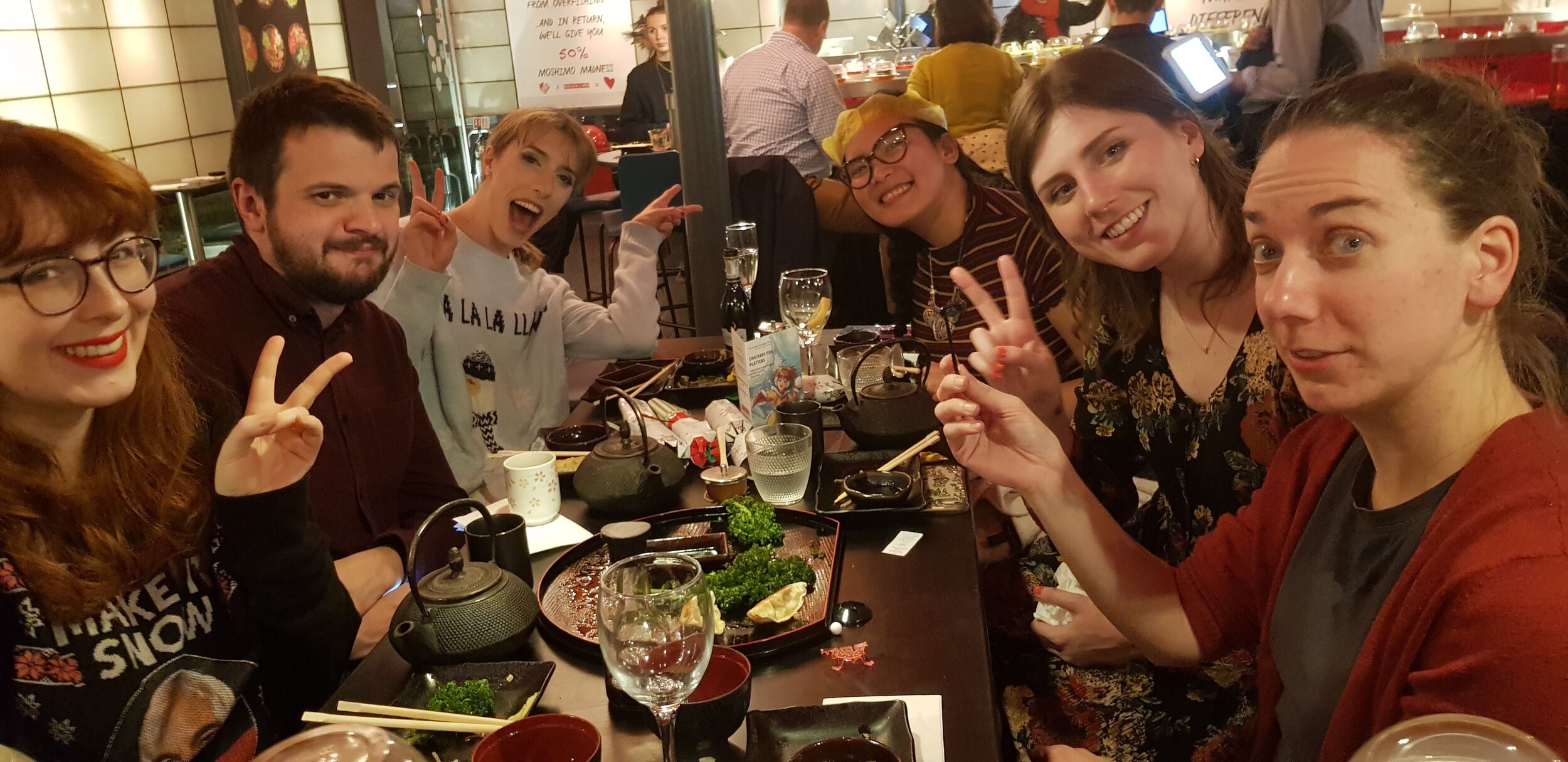








I hope 2019 brought you some things to remember, not just things to forget!

Useful Phrases for Your First Online Japanese Lesson
Can you say “can you hear me?” in Japanese?
In some ways, a Skype lesson isn’t that different from a face-to-face Japanese lesson. But all new situations need some new vocabulary! And when you start having one-to-one lessons online, you might need some new words and phrases you haven’t come across before.

Can you say “can you hear me?” in Japanese?
In some ways, a Skype lesson isn’t that different from a face-to-face Japanese lesson. But all new situations need some new vocabulary! And when you start having one-to-one lessons online, you might need some new words and phrases you haven’t come across before.
1) もしもし moshi moshi
“Moshi moshi” is another way to say “hello”, but it’s usually only used on the phone.
When you answer the phone in Japanese, say “moshi moshi”.
You can also say “moshi moshi?” if the line cuts out and you want to check that the other person can hear you.
2) 聞こえますか kikoemasu ka
“Kikoemasu” means “to be heard” or “to be audible”. So in the context of a phone call or Skype lesson, “kikoemasu ka” means “Can you hear me?”
It’s a good way to check your mic is working at the start of a lesson!
3) 見えますか miemasu ka
If you have Japanese lessons via Skype, it’s important that you can see the teacher, and they can see you!
“Miemasu ka” means “Can you see me?” Use this phrase if you want to check with your teacher that your video is working ok.
4) もう一度お願いします mou ichido onegai shimasu
“Mou ichido” means “once again”, and “onegaishimasu” means “please”.
So “Mou ichido onegai shimasu” means “please say that again.”
Perfect for if you didn’t quite catch what your teacher said.
5) わかりますか wakarimasu ka
“Wakarimasu ka?” means “do you understand?” Your teacher may ask you this.
You can answer this question with “wakarimashita” (I understand; I got it). Or “wakarimasen” (I don’t understand).
6) ____はわかりません。 ____wa wakarimasen.
This phrase means “I don’t understand [word].” For when you need to say exactly what you don’t understand!
You could also ask “[word] wa eigo de nan desu ka” (“What is [word] in English?”)
For example:
Teacher: 週末はどうでしたか。Shuumatsu wa dou deshita ka? (How was your weekend?)
Student: …「どう」はわかりません。…”Dou” wa wakarimasen. (…I don’t understand “dou”.)
Teacher: 「どう」は英語で”how”です。 “Dou” wa eigo de “how” desu. (“Dou” means “how” in English”)
Student: ああ、わかりました! Aa, wakarimashita! (Ah, I got it!)
If you can get a few of these phrases under your belt, you should be ready to face any new situation you encounter during your first online Japanese lesson!
But remember, you don’t need to be perfect before your first lesson… lessons are for practising, and making mistakes so you can learn as much as possible.
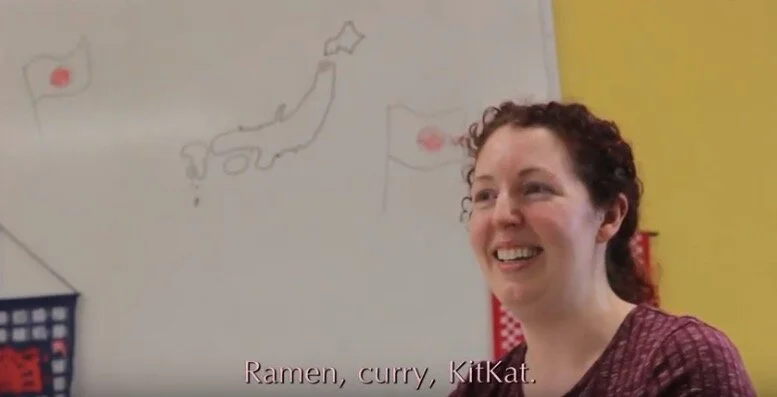
How Sara Gained Confidence Speaking Japanese | Step Up Japanese Student Interview
Sara joined Step Up Japanese wanting one thing: more confidence speaking Japanese. Although she had studied on and off for years and knew some Japanese, she found that her mind went blank whenever she tried to speak.
After completing my beginner course, Sara shares how regular conversation practice helped her start using Japanese more confidently, including her favourite question for starting conversations!
In this interview, Sara shares:
Why she wanted more speaking practice
How conversation classes helped her gain confidence
Her favourite question for starting conversations in Japanese
How she practises Japanese outside class
Sara joined Step Up Japanese wanting one thing: more confidence speaking Japanese. Although she had studied on and off for years and knew some Japanese, she found that her mind went blank whenever she tried to speak.
After completing my beginner course, Sara shares how regular conversation practice helped her start using Japanese more confidently, including her favourite question for starting conversations!
In this interview, Sara shares:
Why she wanted more speaking practice
How conversation classes helped her gain confidence
Her favourite question for starting conversations in Japanese
How she practises Japanese outside class
Want to build your confidence speaking Japanese too?
Find out more about my Japanese conversation courses and one-to-one lessons:
Watch the video, or scroll down to read a transcript:
“I knew the question, but as soon as I would go to say it to someone, my brain went blank. So I was like: ‘I need to practise!’”
Why did you start learning Japanese?
I’m a long time anime fan, basically I started watching it as a teenager, and always found little bits online – back when downloading PDFs was a thing I got a hiragana and katakana chart for a dollar online, and printed them out, and I was quite excited about it, and kind of did all bits and pieces but never actually was able to keep on it, and that’s when I chose to come to classes.
I really wanted the speaking practice, which is what I was very much missing.
And as I found out when I went on holiday there to Japan, I knew the question, but as soon as I would go to say it to someone, my brain went blank. So I was like: “I need to practise!”
I’m getting more confident in my speaking, and I’m learning more words.
“And then you think ‘I’ve just spoken in Japanese for ten minutes!’”
What are the classes like?
It’s informal chat at first, and then you give us a good idea of what we’re going to do that day, and how long it’s going to be, so we’re mentally prepared for what we’re doing.
It’s a lot of talking which is quite nice, it’s not you standing [at the whiteboard] and going “and this means this, and this means this”. It’s actually putting it into practise, and having things to talk about with people.
I do like the ‘Free Talk’ section, as well – we’re getting there. It’s hard. I’ve learned a question, and I always open with that question:
週末は何をしますか。(Shuumatsu wa nani wo shimasu ka? What will you do at the weekend?)
Then your partner has a few extra questions, and they kind of push you to go a bit further.
And then you think “I’ve just spoken in Japanese for ten minutes!”
How do you practise Japanese outside of class?
Out of class it’s mostly writing, so I tend to use the apps, like duolingo and memrise, and then I’ve just got folders where I try and write things down to cement them into my head. And then hopefully I’m going to start practising kanji as well.
So [outside of class] it’s more reading and writing, and then class is more, chatting and learning vocab, and taking that home with me.
Will you be using your Japanese in Japan on your upcoming trip? How will that be?
A bit easier now. I think I’ll feel more confident going into a shop and asking for things we’re looking for. When you go in and everything’s labelled up with kanji, you feel a bit…
But it will help me more, when I go to Tower Records and I’m looking for things via alphabetical order. I know hiragana now, so I can look for the ones I want.
“It’s not like school, where everyone’s like: ‘Don’t make a mistake.’”
How does it feel when you use Japanese to communicate with someone?
It’s rewarding, actually.
It’s one of those things where, it’s quite hard at first and then you push yourself.
That’s one of the things I like about the classes, it’s not like school, where everyone’s like: “don’t make a mistake, don’t say anything if you don’t know exactly 100% what it means, or what it is. Whereas we’re just, nope, we’ll just say it. If it’s wrong it’s wrong. I think we’re right most of the time.
How was today’s class?
Very good vocab practice. I did something that, I’m not entirely sure why I made Jaye [Sara’s classmate!] laugh so much, but he found it very entertaining whatever it was I said. I quite like that game. It was funny.
And I still remember the new word from last week which was shippo (尻尾, tail).
Ok, let’s talk in Japanese!
日本に行ったことがありますか。(Have you ever been to Japan?)
東京行きました。 (Toukyou ikimashita = I went to Tokyo.)
たくさん歩き[ました]。(Takusan arukimashita = I walked a lot.)
何を食べましたか。(Nani o tabemashita ka? = What did you eat?)
ラーメン、カレー、キットカット。(Raamen, karee, kitto katto = ramen, curry, and kit-kats!)
どうしてステップアップジャパニーズで日本語を勉強しようと思ったんですか。 (Doushite Step Up Japanese de nihongo o benkyou shiyou to omotta n desu ka? = Why did you decide to study Japanese at Step Up Japanese?)
話す練習をします。(Hanasu renshuu o shimasu = To get speaking practice.)
日本語のレッスンはどんな感じですか。(Nihongo no ressun wa donna kanji desu ka? = What are the lessons like?)
皆さん楽しい。(Mina san, tanoshii = Everybody is fun.)
Would you recommend Step Up Japanese?
I think Step Up Japanese is a really good way to go, it’s really good practice, it’s a really relaxed atmosphere, and Fran’s such a good teacher.
I have fun, and then I go home and think: “right I’m gonna do this!” I feel motivated to keep going at the weekends.
Thanks very much to Step Up Japanese student Daniel Sheen for making this video! I edited the Japanese slightly in the transcription of some of these answers for clarity.
Ready to start speaking Japanese with more confidence?
Explore Step Up Japanese courses and find the right option for you:
What to Write in Japanese New Year's Cards
Every year, Japanese households send and receive New Year’s postcards called nengajō (年賀状). The cards are sent to friends and family, as well as to people you have work connections with.
If you post your cards in Japan before the cut-off date in late December, the postal service guarantees to deliver them on January 1st.
Every year, Japanese households send and receive New Year’s postcards called nengajō (年賀状). The cards are sent to friends and family, as well as to people you have work connections with.

Image: yubin-nenga.jp
If you post your cards in Japan before the cut-off date in late December, the postal service guarantees to deliver them on January 1st.
Card designs often feature the Chinese zodiac animal of the new year. For example, 2016 was the year of the monkey, so lots of designs that year included monkeys!

Cards sold in shops or at the post office usually have a lottery number on the bottom, too:

Nengajō greetings are a good opportunity to practice your Japanese handwriting. You might want to practice on a piece of blank paper before writing on the card itself.
Every year, we use printed templates to write New Year messages in class. I love helping my students write nengajō to their family and friends.

Photo by Bob Prosser
But what should you write in nengajō?
There are two key phrases to remember for writing nengajō:
1. あけましておめでとうございます!
akemashite omedetou gozaimasu
Happy New Year!
2. 今年もよろしくお願いします。
kotoshi mo yoroshiku onegaishimasu
I hope for your favour again in the coming year.
You could also go for something like:
明るく楽しい一年でありますように
Akaruku tanoshii ichinen de arimasu you ni
I hope you have a wonderful year.
or:
旧年中は大変お世話になりました。
Kyuunenjuu wa taihen osewa ni narimashita.
Thank you for your kindness throughout the last year.

Photo by Bob Prosser

Photo by Bob Prosser
A very happy new year from me (Fran), and:
今年もよろしくお願いします!
Kotoshi mo yoroshiku onegaishimasu!
(I hope for your favour again in the coming year)
First published 31st December 2018
Updated 16th December 2019

What's it like to be a Step Up Japanese student? Student Interview - David
David has recently completed the STEP 3 course. We talked to him about what it's like to be a Step Up Japanese student, what the lessons are like, and his favourite things about the Japanese language.
And he tells us about using his Japanese to help some lost property in Japan find its owner!
Watch the video, or scroll down to read a transcript:
David has recently completed the STEP 3 course. We talked to him about what it's like to be a Step Up Japanese student, what the lessons are like, and his favourite things about the Japanese language.
And he tells us about using his Japanese to help some lost property in Japan find its owner!
Watch the video, or scroll down to read a transcript:
Why did you start learning Japanese?
[It was] after going to Japan for the first time. It was an interesting trip, and it made me realise that I wanted to be more involved in Japan, and Japanese culture and language.
I started at Step Up Japanese midway through what was then called the Beginner course [now STEP 1], and have carried on through STEP 3.
What are the classes like at Step Up Japanese?
We play a variety of games, only ever using the Japanese language. I find it difficult to play games only in Japanese, but I really relish the chance to speak only Japanese. It really makes me have to think in a way that maybe I wouldn't have the opportunity to, if I wasn’t taking the course.
I find the grammar of the Japanese language to be quite interesting. I enjoy learning the rules, and all the exceptions to the rules.
How do you practise Japanese outside of class?
I enjoy Tadoku, as it gives me the opportunity to understand Japanese without the pressure of understanding every single word. Tadoku is the practice of reading lots and lots of books, with the focus being on skipping things you don’t understand.
Have you gone to any Step Up Japanese events?
During my time as a Step Up Japanese student, I’ve taken part in quite a few events. I really enjoy when we get together, and do karaoke, barbecues, and various other Japan-related things. And I also enjoy…ending up down the pub afterwards :-)
How have you actively used your Japanese?
When I went back to Japan, after starting lessons, I found that I could make pleasantries with people.
And there was an occasion when I was on a train and found some lost property. I had to take it to someone who worked at the train station and explain what train I’d just gotten off, and where it had come from, and where the train was headed. I had to look up some of the words, but being able to piece together a sentence and explain to this man what was going on, it felt really good.
Ok, let’s talk in Japanese!
日本について何が好きですか。
(What do you like about Japan?)
日本はとても面白い国です。日本のゲームが大好きです。
(Japan is a very interesting country. I love Japanese games.)
好きなゲームは何ですか。
(What games do you like?)
太鼓の達人が好きなゲームです。とても楽しいです。
( I like Taiko no Tatsujin [the Japanese drumming arcade game]. It’s really fun.
日本語の文法は面白いです。日本に行って、とても楽しかったです。
(I find Japanese grammar interesting. And when I went to Japan, it was really fun).
Would you recommend Step Up Japanese?
I would recommend Step Up Japanese to friends and family – and have.
I really enjoy classes, I really enjoy the teacher, [and] all of the students as well. It’s just a really friendly bunch, and I’d like for more people to be part of the Step Up Japanese family.
Huge thanks to fellow Step Up Japanese student Daniel Sheen for making this video!














Like many people in the UK, I studied French in school. I liked French. I thought it was really fun to speak another language, to talk with people, and to try and listen to what was going on in a new country. (Still do!)
When I was 14 we went on a school exchange to the city of Reims, in northeastern France. I was paired with a boy, which I’m sure some 14-year-olds would find very exciting but which I found unbearably awkward. He was very sweet and we completely ignored each other.
That was nearly 20 years ago, and I didn’t learn or use any more French until, at some point in lockdown, I decided on a whim to take some one-to-one lessons with online teachers. Here are some things I learned about French, about language learning, and about myself.